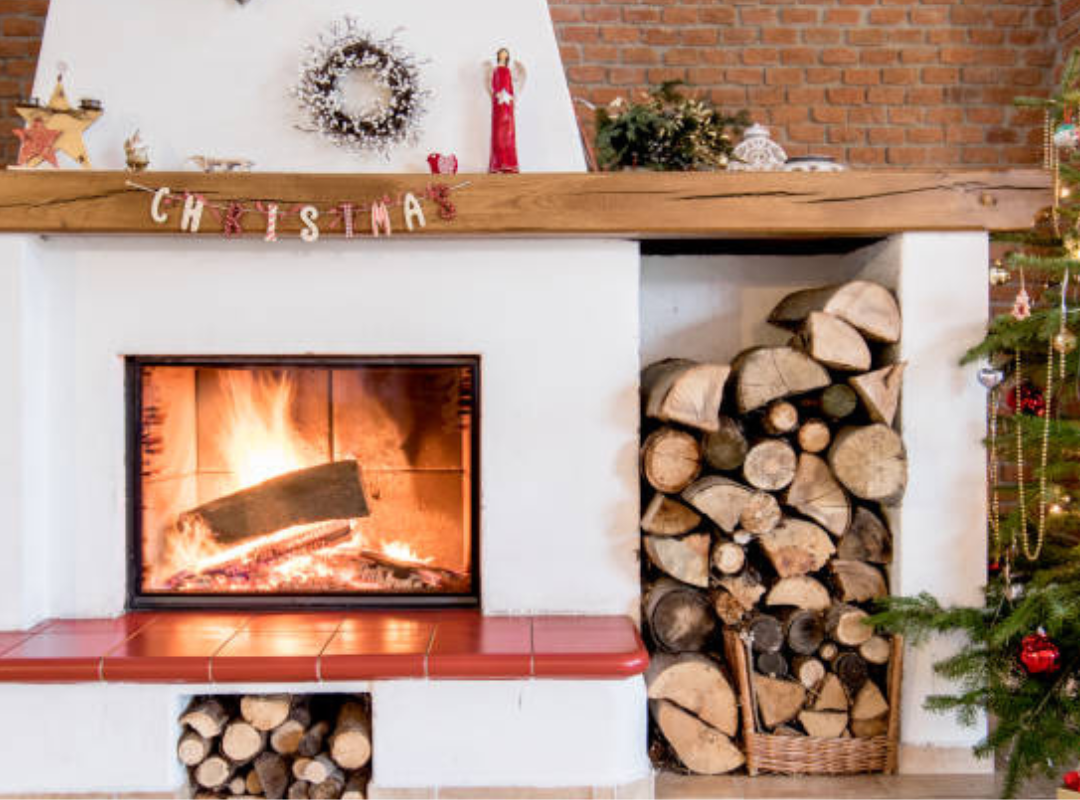
A fireplace is more than just a heat source—it’s a focal point, a place where families gather, and a timeless element that adds character to any home. Whether you’re building a new house or updating an old one, choosing the right materials for fireplaces and chimneys is essential. It impacts not only aesthetics but also safety, durability, and performance. With so many options available today, it’s important to understand which materials offer the best value in terms of functionality, longevity, and design flexibility. This guide will help you make an informed decision when selecting materials for fireplaces and chimneys.
Why Material Selection Matters
The materials used in constructing fireplaces and chimneys must withstand extreme heat and temperature changes. They also need to complement your home’s interior or exterior design. A poorly chosen material can lead to structural issues, safety hazards, and high maintenance costs. On the other hand, selecting the right materials ensures longevity, improves energy efficiency, and enhances the overall ambiance of your living space. Whether you’re aiming for a traditional wood-burning fireplace or a sleek modern insert, the foundation lies in choosing durable, high-performance materials that deliver both form and function.
Brick: Timeless and Reliable
Brick is one of the most classic materials for fireplaces and has been trusted for centuries. Its strength, heat resistance, and rustic aesthetic make it a go-to choice for both traditional and transitional homes. Kiln-fired brick offers excellent insulation and retains heat long after the fire has gone out. Additionally, it’s available in various colors, textures, and patterns to suit different design preferences. Brick is also relatively easy to maintain and repair, making it a smart investment for homeowners who value both durability and charm.
For builders and homeowners looking for proven reliability, brick remains a foundational choice. It resists cracking under thermal stress and performs exceptionally well in colder climates. That’s why many custom home builders Owen Sound Ontario favor brick construction for fireplaces, especially in rural and seasonal properties where performance and endurance are key.
Natural Stone: Elegant and Enduring
Natural stone offers a luxurious aesthetic combined with durability. Common choices include granite, limestone, slate, and marble. These materials for fireplaces create a bold statement and elevate the ambiance of any room. Granite, for example, is virtually indestructible and low-maintenance, while limestone provides a soft, earthy texture ideal for traditional and farmhouse-style homes.
Stone is an excellent conductor of heat and offers long-lasting performance. Though it may have a higher upfront cost, its beauty and resilience can significantly enhance your home’s resale value. The key is proper installation—natural stone requires skilled masonry to ensure structural integrity and visual appeal.
Metal: Sleek and Efficient
For those with a taste for modern or industrial aesthetics, metal fireplaces are a compelling option. Stainless steel and cast iron are two commonly used materials that offer sleek lines and superior heat conduction. Cast iron, in particular, retains heat for extended periods, making it an energy-efficient choice for smaller spaces or supplemental heating.
Metal fireplaces often come as prefabricated units that are easier and quicker to install than traditional masonry fireplaces. They’re perfect for contemporary homes and urban renovations, offering minimal maintenance and a distinct, clean design. However, proper ventilation is crucial to prevent overheating and ensure safety.
Concrete and Engineered Stone: Versatile and Affordable
If you’re looking for materials for fireplaces that strike a balance between affordability and aesthetics, concrete and engineered stone are excellent options. Concrete can be molded into custom shapes and textures, allowing for complete design freedom. It’s also highly heat-resistant and works well for both interior and exterior installations.
Engineered stone—made from a combination of crushed stone and resin—mimics the appearance of natural stone at a more budget-friendly price point. It’s available in a wide range of colors and finishes and can be easier to install and maintain. These materials are often chosen for contemporary or minimalist designs that require clean lines and custom forms.
Chimney Liners and Firebox Materials
While the visible elements of a fireplace often get the most attention, the hidden components are just as important. The firebox—the part where the fire actually burns—is typically built from refractory firebrick and high-heat mortar. These materials must withstand direct flame contact and prevent heat from damaging the surrounding structure.
Chimney liners, on the other hand, protect the chimney walls and improve airflow. They are usually made from stainless steel, aluminum, or clay tiles. A high-quality liner increases efficiency and reduces the risk of creosote buildup, which can cause chimney fires. Choosing the right internal materials enhances safety and ensures the long-term performance of your fireplace system.
Environmental Considerations
In today’s environmentally conscious world, many homeowners are seeking sustainable materials for fireplaces. Reclaimed brick and stone not only reduce waste but also add unique character to your fireplace. Additionally, using local materials minimizes the carbon footprint associated with transportation.
Opting for energy-efficient inserts and low-emission fuel sources can further reduce your environmental impact. Some modern fireplaces are even compatible with smart home systems, allowing you to optimize heat output and energy usage based on room occupancy and temperature settings. These eco-friendly choices support a greener home without compromising on comfort or style.
Maintenance and Longevity
No matter which materials you choose, maintenance is key to ensuring your fireplace remains functional and beautiful over time. Brick and stone require occasional cleaning and inspection for cracks or loose mortar. Metal surfaces should be wiped down to prevent corrosion, especially in humid environments. Prefabricated units may need component replacements over the years, while fireboxes and chimney liners should be checked annually by a certified professional.
Choosing high-quality materials for fireplaces and chimneys from the beginning can dramatically reduce long-term maintenance and repair costs. It’s a smart way to protect your investment and enjoy the comfort and charm of your fireplace for decades.
Final Thoughts
Selecting the best materials for fireplaces and chimneys involves balancing aesthetics, performance, safety, and cost. Whether you’re drawn to the classic appeal of brick, the luxury of natural stone, or the modern lines of metal and concrete, there’s a material to match every vision and budget. Prioritize quality and proper installation, and your fireplace will serve as a cozy, reliable centerpiece for years to come. With the right materials, you’re not just building a fireplace—you’re crafting a lasting impression.