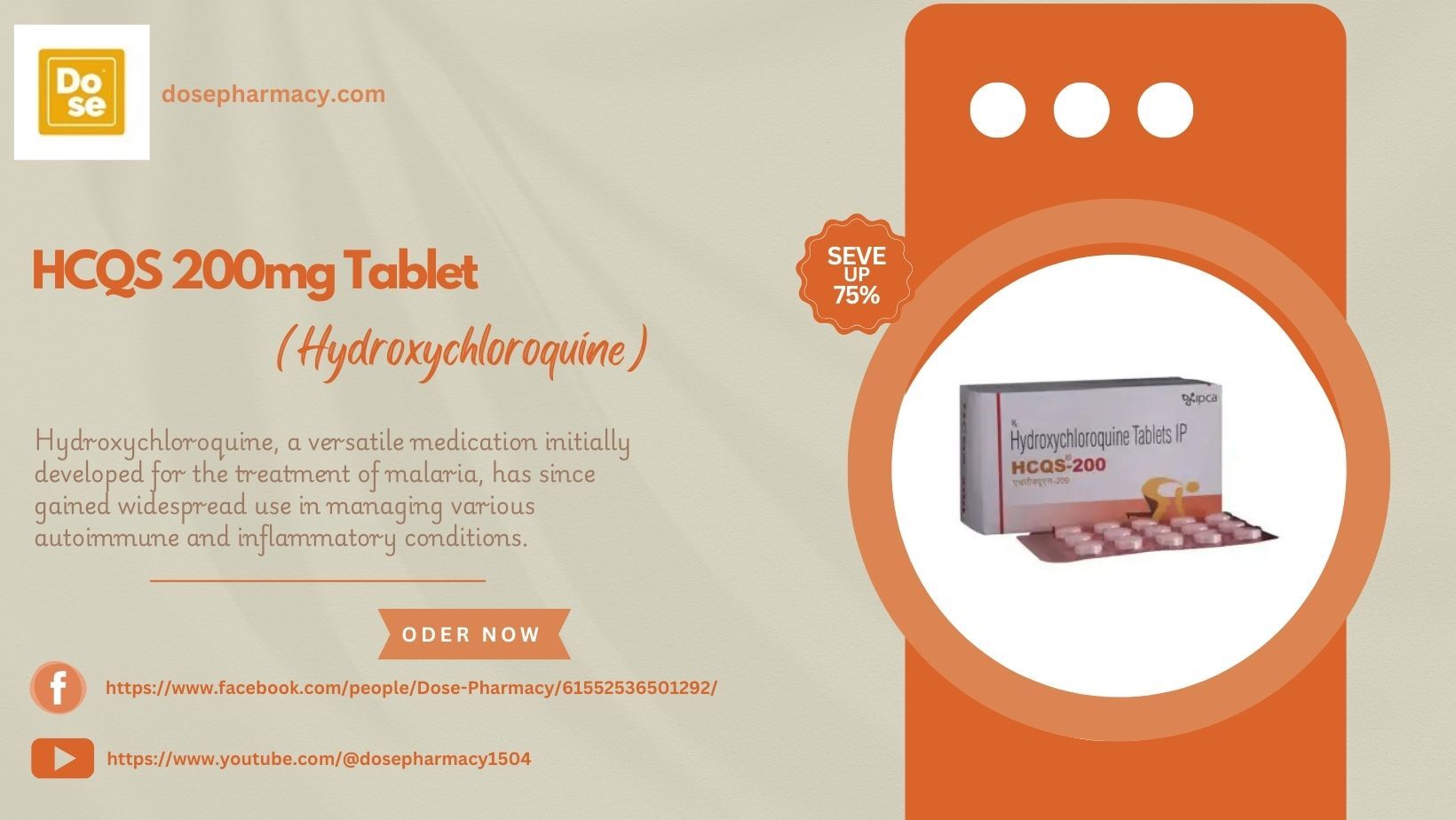
Hydroxychloroquine is a well-known medication used to treat several chronic conditions, including lupus, rheumatoid arthritis, and malaria. While its use became widely discussed during the COVID-19 pandemic, Hcqs 200 has been a mainstay treatment for autoimmune disorders for decades. One common concern for people on this medication is whether it is safe to take over the long term. This article explores the long-term safety of hydroxychloroquine, including its benefits, risks, and how patients can minimize side effects with regular monitoring and proper usage.
What Is Hydroxychloroquine?
Hydroxychloroquine is a disease-modifying antirheumatic drug (DMARD) that helps reduce inflammation and regulate the immune system. Originally developed to prevent and treat malaria, it is now most commonly prescribed for:
- Systemic lupus erythematosus (SLE)
- Rheumatoid arthritis (RA)
- Other autoimmune diseases like Sjögren’s syndrome
It is usually taken orally in tablet form, often over long periods, sometimes for years.
Why Is Long-Term Use Common?
Autoimmune diseases like lupus and RA are chronic and often lifelong. Hydroxychloroquine doesn’t cure these conditions but helps manage symptoms, prevent flare-ups, and reduce organ damage. To achieve these goals, long-term, sometimes indefinite, treatment is required.
Patients may remain on hydroxychloroquine for several years under medical supervision. Many report that the drug significantly improves their quality of life by reducing pain, fatigue, and joint swelling.
Benefits of Long-Term Hydroxychloroquine Use
Several studies support the effectiveness of hydroxychloroquine for long-term use in autoimmune conditions. Some notable benefits include:
1. Reduction in Disease Activity
Hydroxychloroquine helps suppress the immune system, reducing inflammation and lowering the risk of severe flare-ups in diseases like lupus and RA.
2. Prevention of Organ Damage
Long-term use may help protect the kidneys, heart, and other organs from damage caused by persistent inflammation.
3. Improved Survival Rates
Some research suggests that lupus patients on long-term hydroxychloroquine have better survival outcomes compared to those not on the drug.
4. Mild Immunosuppressive Effect
Compared to stronger immunosuppressants or biologic drugs, hydroxychloroquine has a milder effect on the immune system, making it relatively safer for prolonged use.
Potential Long-Term Side Effects
Although hydroxychloroquine is considered relatively safe, long-term use can cause some serious side effects if not monitored properly. These include:
1. Eye Damage (Retinopathy)
One of the most concerning risks of long-term hydroxychloroquine use is retinopathy, or damage to the retina. If left unchecked, this can lead to permanent vision loss.
- The risk increases after five years of use or when the cumulative dose exceeds 1000 grams.
- The chance of retinal damage is about 1% after 5 years, but can rise to up to 20% after 20 years.
2. Cardiac Effects
Rarely, hydroxychloroquine may affect the heart’s electrical conduction system, leading to arrhythmias or cardiomyopathy. This is more common in elderly patients or those with pre-existing heart issues.
3. Skin Reactions
Long-term use may cause skin pigmentation changes, rashes, or increased sensitivity to sunlight.
4. Muscle Weakness
Some patients report proximal muscle weakness or neuropathy after extended use, although this is relatively rare.
5. Gastrointestinal Upset
Nausea, diarrhea, and abdominal cramps are typically short-term effects but can persist in sensitive individuals.
Who Should Be Cautious?
Certain populations may need extra monitoring when taking hydroxychloroquine for the long term:
- Patients with kidney or liver impairment: The drug is processed by these organs, so damage can lead to accumulation.
- Elderly individuals: Age increases the risk of side effects, especially vision and heart-related ones.
- Those with pre-existing retinal conditions: They may be more vulnerable to developing retinopathy.
- Pregnant or breastfeeding women: Though generally considered safe, it must be used under medical supervision.
Monitoring for Long-Term Safety
The key to safely taking hydroxychloroquine long-term lies in regular monitoring. Your doctor may recommend:
1. Baseline Eye Exam
Before starting treatment, patients should have a comprehensive eye exam, including visual field testing and retinal imaging.
2. Annual Eye Exams
After 5 years of use, annual retinal screening becomes crucial. Early detection of retinopathy allows for timely discontinuation to prevent vision loss.
3. Blood Tests
Regular liver function tests, kidney function tests, and complete blood counts can help detect early signs of toxicity.
4. ECG Monitoring
In patients at risk of cardiac issues, occasional electrocardiograms (ECGs) may be done to track heart health.
Tips for Safe Long-Term Use
To minimize risks while benefiting from hydroxychloroquine:
- Stick to the prescribed dose. Do not exceed 5 mg/kg/day of actual body weight.
- Take the medication with food to reduce stomach upset.
- Report vision changes immediately—such as blurring, color changes, or halos.
- Wear sunglasses to prevent sun sensitivity reactions.
- Stay hydrated and maintain a healthy diet to support kidney and liver function.
- Keep all follow-up appointments and never skip your annual eye exams.
Expert Opinion and Research
Many rheumatologists and specialists agree that hydroxychloroquine remains one of the safest and most effective medications for autoimmune diseases when used correctly. In fact, a 2014 study in Ophthalmology found that retinal toxicity is rare within the first five years and mostly preventable with proper screening.
The American Academy of Ophthalmology updated its guidelines to recommend dosage limits and routine screening, which have greatly reduced the incidence of vision problems.
Hydroxychloroquine can be safely used long-term when taken at the appropriate dose and under regular medical supervision. For people with chronic autoimmune diseases, the benefits of hydroxychloroquine often outweigh the risks, especially when preventive measures—like annual eye exams and periodic lab tests—are followed.
If you’re considering or currently taking hydroxychloroquine long-term, speak with your doctor about monitoring strategies, possible side effects, and any new symptoms. With the right approach, this medication can provide years of symptom control with minimal complications.