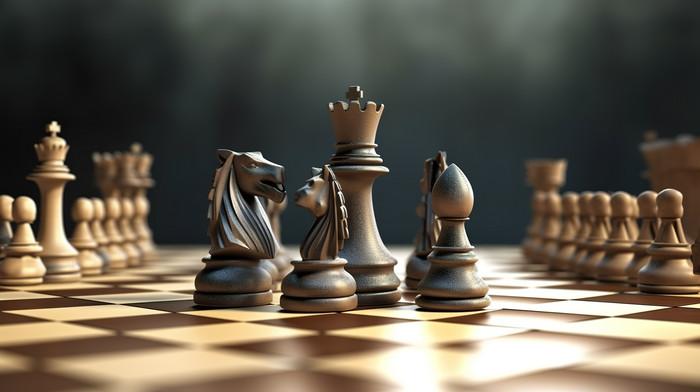
Chess, often considered a game of strategy and intellect, is much more than just a pastime. With its rich history and profound depth, playing chess can have a lasting impact on the way you think and approach various aspects of life. While it may appear to be a simple board game, the skills and lessons you learn while playing chess at the are far-reaching. The process of planning, predicting, and making calculated decisions in chess can alter your perspective, teaching you to approach problems with more consideration and foresight. In this article, we’ll explore how chess can change your perspective, making you not only a better player but also a more strategic and mindful individual in everyday life.
1.Enhances Problem-Solving Skills
Chess is, at its core, a problem-solving exercise. Each move you make involves thinking through various possibilities and outcomes. As you face complex positions, you are forced to evaluate the board, predict your opponent’s next steps, and develop strategies. This process sharpens your problem-solving skills by encouraging you to think critically and creatively, considering both short-term gains and long-term consequences. The skills you develop in chess can be directly applied to real-life situations, whether you’re navigating a professional challenge, resolving a personal conflict, or making important life decisions.
2.Cultivates Patience and Delayed Gratification
One of the most important lessons chess teaches is patience. In a world where immediate rewards and instant gratification are often the norm, chess encourages you to slow down, think carefully, and plan ahead. Success in chess doesn’t come from rushing or making impulsive decisions—it comes from careful consideration of each move and anticipating the opponent’s response. Players must exercise restraint, understanding that sometimes the best move is the one that leads to a payoff much later in the game. This ability to delay gratification, where immediate rewards are sacrificed for greater long-term benefits, can translate into many areas of life.
3.Improves Decision-Making Abilities
In chess, every move matters. You need to make decisions quickly, weighing the pros and cons of every option. These decisions, no matter how small, have consequences. As you play more chess, you get better at making choices under pressure, assessing potential risks, and understanding the broader implications of your decisions. This skill of making informed decisions, especially under time constraints, is crucial in both personal and professional life.
4.Enhances Focus and Concentration
To succeed at chess, you need to maintain a high level of focus and concentration for extended periods. Every game is an exercise in staying present, paying attention to the smallest details, and maintaining a clear view of your objectives. Players must consider multiple factors at once—whether it’s their own position, the opponent’s moves, or the evolving strategies throughout the game. This level of focus sharpens your ability to concentrate on other tasks as well.
Playing chess with the help of a chess tutor in Mumbai offers much more than just a mental workout—it can profoundly change the way you approach life. From improving problem-solving skills and decision-making to fostering patience and resilience, the lessons learned through chess at translate into real-life benefits. By encouraging strategic thinking, adaptability, and focus, chess helps you develop a mindset that’s prepared for anything life throws at you.