The construction industry in Pakistan is booming, with rapid urban development and growing demand for housing and infrastructure. As a result, the cost of construction materials plays a crucial role in planning and budgeting. Among these materials, bricks are one of the most essential and widely used components in any building project. Whether you’re constructing a residential home, a commercial plaza, or boundary walls, understanding the current bricks rate in Pakistan is vital for accurate cost estimation and project efficiency.
What Influences Brick Prices in Pakistan?
Before diving into specific numbers, it’s important to understand what factors influence the brick price in Pakistan. Several elements contribute to fluctuations in the market, including:
1. Raw Material Costs: The primary raw material for traditional bricks is clay, and its availability affects the production rate. In regions where clay is scarce, prices tend to be higher.
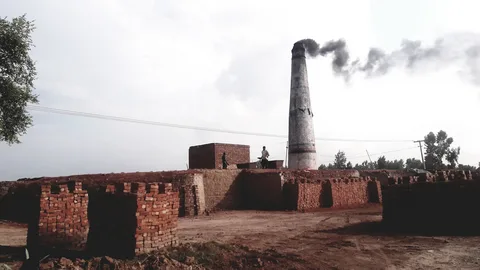
2. Fuel Prices: Brick kilns use coal or wood for firing bricks. Any rise in fuel prices directly impacts the manufacturing cost, resulting in a higher market price.
3. Labor Costs: Bricks are labor-intensive to produce. Increases in daily wages or labor shortages can lead to higher production costs.
4. Seasonal Demand: During the rainy season or harsh winters, brick production may decline, causing a temporary spike in prices due to limited supply.
5. Transportation: The cost of transporting bricks from kiln to site affects final pricing. Distant projects often incur higher prices due to logistics.
6. Government Policies and Taxes: Regulatory changes, such as environmental policies, sales tax, or import duties on raw materials, can also affect prices.
Average Bricks Rate in Pakistan (2025)
As of 2025, the average brick price in Pakistan varies depending on region, quality, and type. Below is a general breakdown of market rates observed across major cities:
- First-class burnt bricks (5000 PSI): PKR 14 to PKR 16 per brick
- Second-class burnt bricks (4000 PSI): PKR 11 to PKR 13 per brick
- Fly ash bricks: PKR 9 to PKR 11 per brick
- Sand-lime bricks: PKR 10 to PKR 12 per brick
These rates may vary slightly depending on location. For example, bricks rate in Pakistan may be slightly higher in metropolitan areas like Karachi, Lahore, and Islamabad due to higher labor and transportation costs.
Regional Breakdown of Brick Prices
Different regions in Pakistan report different prices based on local kiln operations and logistics. Here’s a snapshot of average rates in major areas:
- Lahore: PKR 15 per brick (first-class)
- Karachi: PKR 16 per brick (first-class, higher due to transport costs)
- Islamabad/Rawalpindi: PKR 14.5 per brick
- Faisalabad: PKR 13.5 per brick
- Multan: PKR 13 to PKR 14 per brick
Brick Quality and Its Impact on Pricing
The price of bricks also reflects their quality. High-quality bricks are made with fine clay, evenly fired, and offer high compressive strength. They are uniform in shape and size, making them ideal for load-bearing walls. First-class bricks, while more expensive, provide better insulation, durability, and finish. On the other hand, second-class bricks are cheaper but may have slight imperfections that make them suitable only for non-load-bearing structures or internal walls.
Builders and contractors often recommend investing in better-quality bricks despite the higher brick price in Pakistan, as it saves money in the long run by reducing maintenance and increasing the structural lifespan.
Different Types of Bricks Available in Pakistan
Understanding the types of bricks available helps in choosing the right material for the project:
- Burnt Clay Bricks: The most commonly used traditional bricks, offering good strength and durability.
- Fly Ash Bricks: Eco-friendly and lighter in weight, these are becoming popular in urban developments.
- Concrete Bricks: Made with cement and aggregate, used for aesthetic and load-bearing walls.
- Sand-Lime Bricks: Known for their smooth finish and resistance to weathering.
- Hollow Bricks: Useful for thermal insulation and reducing overall building weight.
Each type has its specific application, and prices vary accordingly.
How to Choose the Right Bricks for Your Project
When selecting bricks, price should not be the only consideration. Here are a few important tips:
- Assess Your Structural Requirements: For strong, load-bearing structures, opt for high-quality burnt clay bricks.
- Evaluate Climate Needs: In hotter areas, bricks with good insulation properties such as hollow or fly ash bricks can be cost-effective.
- Budget vs. Longevity: While cheaper bricks save money upfront, they may result in higher costs over time due to repairs and reduced durability.
- Consult a Professional: Always seek expert advice or a contractor’s input to ensure the chosen bricks meet project requirements.
Market Trends and Forecast for Brick Prices in Pakistan
With the ongoing infrastructure developments like the China-Pakistan Economic Corridor (CPEC), real estate expansion, and new housing schemes, the demand for bricks is expected to grow steadily. However, due to increasing environmental regulations on brick kilns and rising fuel costs, the bricks rate in Pakistan may continue to see gradual increases in the coming years.
Moreover, the push for sustainable and eco-friendly construction is encouraging the adoption of alternative brick types like fly ash and concrete blocks, which may impact traditional brick demand and pricing dynamics.
Tips to Save Money on Brick Purchases
Buying bricks in bulk and directly from kilns can significantly reduce costs. Here are a few additional ways to optimize spending:
- Negotiate Directly with Brick Kilns: Cutting out middlemen often results in better pricing.
- Purchase in Off-Season: Rates are usually lower when demand is down, such as during monsoon months.
- Compare Prices Across Vendors: A small price difference per brick can translate into large savings on bigger projects.
- Plan Logistically: Choose kilns or suppliers closer to your site to save on transportation.
Final Thoughts on Brick Costs and Construction Planning
Understanding the current brick price in Pakistan is critical for anyone involved in construction, whether it’s a small renovation or a large-scale commercial project. As of 2025, the market shows moderate price variations depending on region, brick type, and quality. By staying informed and choosing the right materials for your needs, you can ensure that your project remains within budget without compromising on structural integrity.
Summary
In summary, the bricks rate in Pakistan continues to fluctuate based on several factors such as fuel prices, demand, location, and government policies. In 2025, average prices range between PKR 13 to PKR 16 per brick for first-class options. While quality bricks may come at a premium, their long-term durability and performance make them a wise investment. For cost-effective and efficient building, understanding brick types, monitoring market trends, and strategic purchasing can make a significant difference.