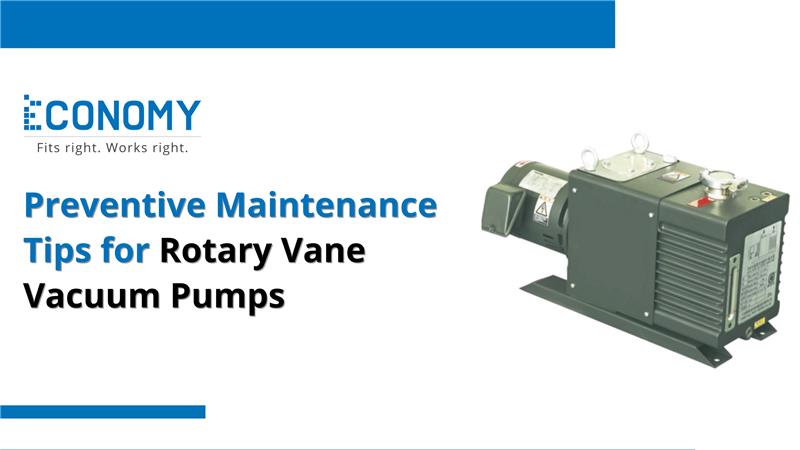
A Brief about Rotary Vane Vacuum Pumps
Rotary vane vacuum pumps are positive displacement pumps widely used in industries like packaging, printing, pharmaceuticals, and laboratories. They operate by using rotating vanes inside a cavity to trap and compress air or gas, generating vacuum pressure. Known for their reliability and efficiency, rotary vane pumps require regular maintenance to ensure optimal performance and to extend operational lifespan.
There are two main types—oil-lubricated and dry (oil-free) rotary vane pumps. Oil-lubricated versions are more common due to their deeper vacuum capability and smoother operation. However, they demand more frequent maintenance, particularly concerning oil condition and contamination.
Common Day-by-Day and Weekly Maintenance Checks
Daily and weekly checks form the backbone of preventive maintenance and help identify issues before they escalate.
Daily Checks:
- Oil Level: Ensure the oil is at the proper level using the sight glass. Low oil can damage internal components due to insufficient lubrication.
- Oil Color and Clarity: Oil should be clear or slightly amber. Milky or dark oil indicates contamination, typically from water or process gases.
- Noise and Vibration: Abnormal sounds may point to mechanical wear or bearing issues. Increased vibration can signal misalignment or internal damage.
- Operating Temperature: Monitor pump temperature during operation. Excessive heat could mean overloading or poor ventilation.
Weekly Checks:
- Oil Leaks: Inspect seals, fittings, and gaskets for any signs of oil leakage.
- Vacuum Gauge Reading: Compare with normal operating values to detect loss in performance.
- Inlet Filters: Check filters for dirt and clogging. A blocked filter reduces pump efficiency and causes overheating.
- Belt and Coupling Inspection: If applicable, inspect belts for wear and alignment of the motor coupling.
Tips for Monthly Preventive Maintenance
While daily and weekly tasks handle immediate concerns, monthly rotary vane vacuum pump maintenance dives deeper into preserving pump efficiency.
- Change the Oil: Depending on the application, oil should be replaced monthly, especially if working with wet or aggressive gases.
- Clean the Exhaust Filter: Accumulated oil mist or carbon buildup in the exhaust filter restricts flow and increases backpressure.
- Check the Vanes: If accessible, inspect vanes for wear and free movement. Worn vanes reduce pumping efficiency.
- Inspect the Motor and Wiring: Look for loose connections, overheating signs, or electrical imbalances.
- Lubricate Bearings (if required): Ensure any external motor or pump bearings are greased as per manufacturer recommendations.
Commonplace Signs that Your Rotary Vane Pump Requires Care
Recognizing early warning signs can prevent pump failure and costly downtime.
- Increased Noise Levels: May indicate worn vanes, failing bearings, or cavitation.
- Reduced Vacuum Performance: Often due to vane wear, clogged filters, or oil degradation.
- Oil Contamination: Water or chemical intrusion can compromise lubrication and damage internal parts.
- Overheating: Blocked filters, poor ventilation, or internal friction can cause overheating.
- Smoke or Oil Mist at Exhaust: Points to saturated exhaust filters or overfilled oil chambers.
Best Practices for Rotary Vane Pump Maintenance
- Follow the Manufacturer’s Schedule: Always adhere to service intervals and use recommended oil grades and filters.
- Use Clean, Dry Air or Gas: Install proper inlet filters and traps to prevent contamination from entering the pump.
- Avoid Overloading: Ensure the pump is appropriately sized for the application to prevent excessive wear.
- Keep a Maintenance Log: Track service intervals, issues encountered, and component replacements.
- Train Personnel: Ensure operators and maintenance staff are trained to identify early warning signs and perform basic upkeep.
Common Troubleshooting Tips
When issues arise, these basic troubleshooting tips can help isolate and resolve problems quickly:
| Symptom | Possible Cause | Action |
|---|---|---|
| Low vacuum performance | Worn vanes, leaks, or old oil | Inspect vanes, check for leaks, change oil |
| Excessive noise | Bearing wear, foreign object ingestion | Shut down, inspect bearings or interior |
| Overheating | Clogged filters, insufficient oil | Clean filters, check oil level and cooling |
| Oil carryover or mist | Overfilled oil chamber, bad exhaust filter | Drain excess oil, replace exhaust filter |
| Pump won’t start | Electrical issue or mechanical jam | Check power supply, inspect motor and shaft |
In summary, consistent preventive maintenance not only keeps your rotary vane vacuum pump running at peak performance but also reduces the risk of unplanned downtime and expensive repairs. Implementing a structured maintenance routine backed by trained personnel and good practices will ensure long-term efficiency and reliability of your equipment.