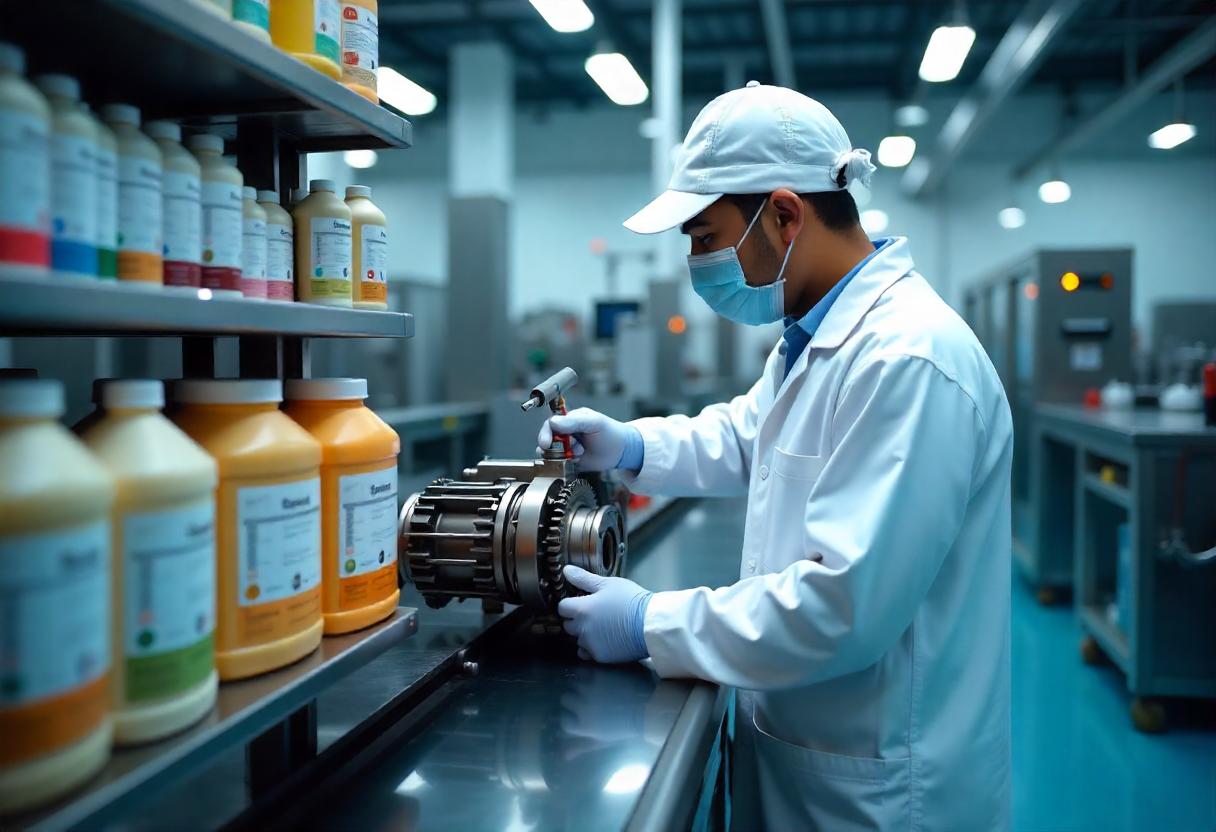
When you’re operating a food processing plant, every decision—from ingredients to equipment—has one thing in common: it must prioritise safety and compliance. But there’s one critical area that often goes unnoticed until there’s a problem: lubrication. Using the right lubricants isn’t just about performance—it’s about protecting your products, your reputation, and your bottom line.
That’s where food grade gear oils come in.
These specialised lubricants are designed to handle the unique challenges of food processing environments. They’re safe, efficient, and vital to keeping your machinery in peak condition—without the risk of contaminating the food products you work so hard to perfect.
Let’s take a closer look at why food grade gear oils are not just a nice-to-have, but a must-have in any modern food production facility.
What Are Food Grade Gear Oils?
Put simply, food grade gear oils are lubricants specifically formulated for use in food manufacturing equipment. They’re designed for gears, gearboxes, and other high-load machinery components—offering excellent wear protection, load-carrying capacity, and thermal stability.
Most importantly, they comply with food safety standards like NSF H1, meaning they’re safe for incidental food contact.
In a facility where even the smallest contamination could lead to product recalls or safety issues, using the right oil is absolutely essential.
It’s About More Than Just Lubrication
Sure, gear oils reduce friction and wear. But in food processing, they do a lot more than that.
- Safety First: These oils are designed to reduce the risk of contamination. If a small amount happens to come into contact with food during processing, it’s safe.
- Regulatory Compliance: Using food grade lubricants ensures you’re in line with industry regulations, helping you pass audits and inspections with confidence.
- Operational Efficiency: A well-lubricated machine runs more efficiently, requires less maintenance, and lasts longer—minimising costly downtime.
The Power of Food Grade Synthetic Oils
When performance matters most—like in high-speed mixers, ovens, or refrigerated environments—food grade synthetic oils really shine.
These advanced formulations outperform traditional mineral-based oils in many ways:
- Better resistance to high and low temperatures
- Longer lubricant life and extended service intervals
- Superior protection against oxidation and corrosion
Switching to a food grade synthetic option is a smart move for plants looking to reduce maintenance frequency and maximise uptime.
Don’t Forget the Grease
While food grade gear oils handle the high-load gearboxes, many other components—like bearings, chains, and joints—need reliable lubrication too. That’s where food grade greases come into play.
These greases are formulated to withstand water washout (common in cleaning cycles), offer long-lasting protection, and resist breakdown under pressure or heat. When paired with gear oils, they create a complete food-safe lubrication system.
Lubricant Equipment Matters Too
Using the right lubricants is step one. But applying them properly is just as important. That’s where lubricant equipment comes into the picture.
Food-safe pumps, dispensers, and containers help:
- Prevent cross-contamination between food grade and non-food grade products
- Deliver the right amount of lubricant, reducing waste
- Improve efficiency and safety during routine maintenance
Investing in dedicated lubricant equipment shows your team and inspectors alike that you’re serious about hygiene and best practices.
Protecting Chains with the Right Products
Chains are everywhere in a food plant—on conveyors, processing lines, and packaging systems. But they’re also vulnerable to wear, corrosion, and contamination.
Using a chain guard lubricant specifically designed for food processing environments is crucial. These lubricants:
- Provide strong adhesion, so they don’t sling off during operation
- Resist washdowns and moisture exposure
- Offer food-safe protection without compromising cleanliness
Whether it’s a conveyor chain moving freshly baked goods or a packaging line handling dairy products, a proper chain guard keeps everything running smoothly and safely.
Why This All Matters
Let’s be honest—there’s no room for error in food manufacturing. A single contamination incident can lead to:
- Product recalls
- Damaged reputation
- Lost customers
- Fines or penalties from regulators
Using food grade gear oils, food grade greases, and food grade synthetic lubricants gives you peace of mind. They’re engineered to perform in tough conditions while keeping your products safe.
Plus, regular use of food-safe lubricant equipment and chain-specific solutions like chain guards ensures you’re taking every possible step to protect your plant—and your people.
Final Thoughts
If you want your food processing plant to run efficiently, stay compliant, and avoid unnecessary risks, switching to food grade gear oils isn’t just recommended—it’s essential.
When paired with food grade greases, synthetic lubricants, the right lubricant equipment, and effective chain guards, you’re not just maintaining machinery—you’re building a smarter, safer, and more sustainable operation.
So, take a moment to review what you’re currently using. If your gearboxes, chains, or bearings aren’t running on food-safe products, it might be time to make the switch. Your machines—and your customers—will thank you.