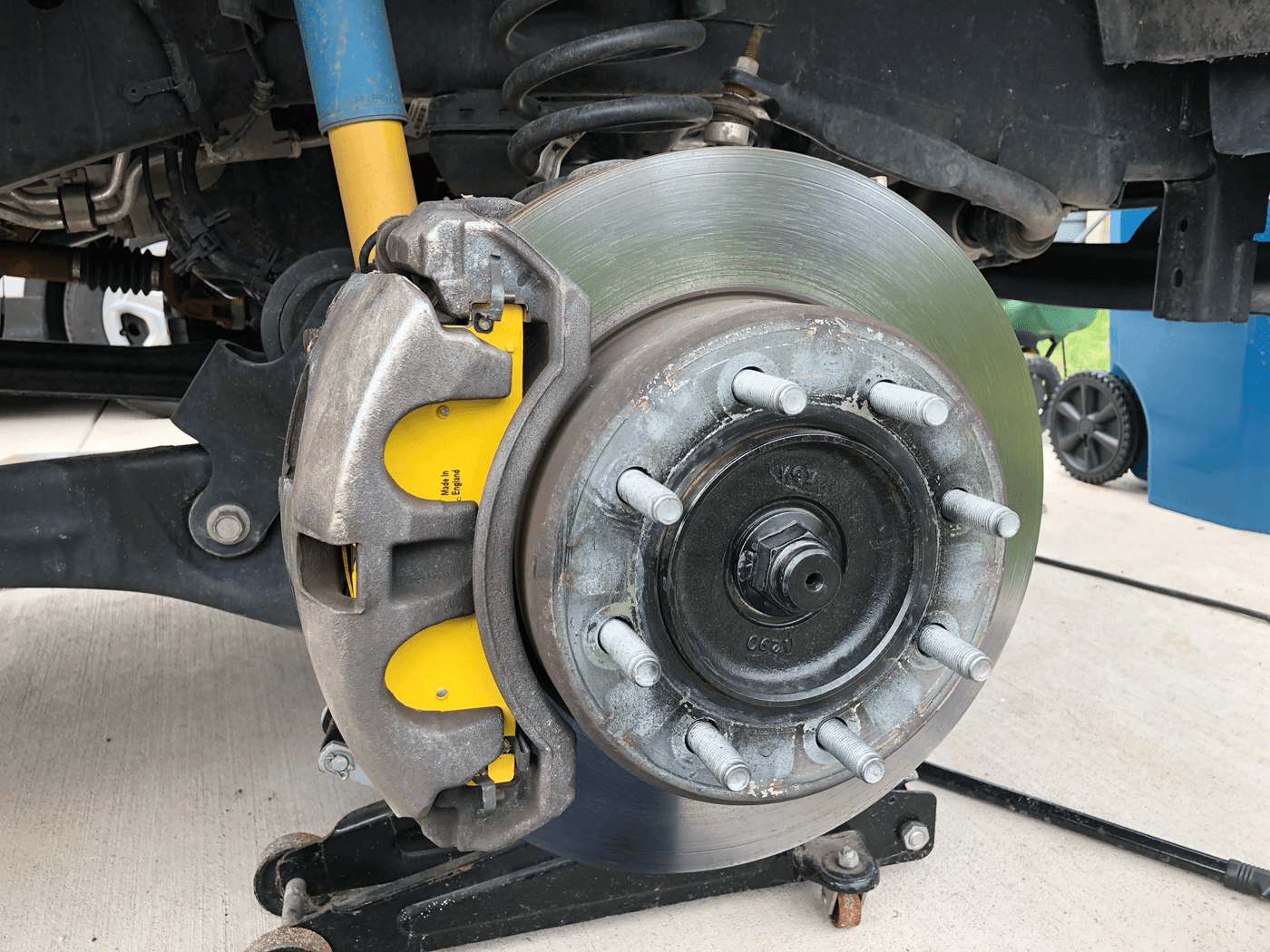
When it comes to safe driving, your braking system plays a crucial role. But even if your brake pads and rotors seem intact, you might still experience performance issues. One of the most overlooked problems in braking systems is the presence of glazed brakes. So, what are glazed brakes, and how can you tell if you have them? Let’s break it down.
Glazed Brakes: A Quick Overview
Glazed brakes occur when the surface of your brake pads or rotors becomes hardened and smooth due to excessive heat or prolonged use. This condition compromises your vehicle’s braking efficiency, often leading to a longer stopping distance and squealing noises when you press the brake pedal.
In simple terms, glazed brakes are brake components that have lost their ability to create the friction needed for optimal braking. The once-gritty surface that grips your rotors becomes slick and shiny—like glass—which is why they’re described as “glazed.”
Brake Glazed Meaning: What’s Happening Underneath?
The term “brake glazed meaning” refers to the transformation of your brake pad or rotor’s surface. This typically happens due to:
- Hard braking at high speeds
- Repeated downhill braking
- Using brakes that are not fully bedded-in
- Poor-quality brake materials
When heat builds up excessively, it can cause the resin in brake pads to melt and smear across the rotor surface. That results in a glossy finish that reduces stopping power.
Common Signs of Glazed Brakes
Not sure if your vehicle is suffering from glazed brakes? Watch out for these symptoms:
- High-pitched squealing or screeching sounds
- Reduced braking performance
- A hard brake pedal feel
- A visible shiny or mirror-like surface on pads or rotors
If you notice any of these, it’s time for a closer inspection or a visit to your mechanic.
How to Fix Glazed Brakes
Glazed brakes can often be fixed without replacing the entire system. Depending on the severity, here are some solutions:
- Light sanding of brake pads and rotors to remove the glaze
- Replacing overly worn pads
- Ensuring the brakes are properly bedded after installation
In more serious cases, both pads and rotors may need replacement to restore full braking power.
How to Prevent Brake Glazing
Preventing glazed brakes is mostly about smart driving and maintenance habits. Here’s what helps:
- Avoid excessive hard braking, especially when going downhill
- Don’t ride your brakes—use engine braking when possible
- Make sure new brakes are properly broken in (bedded)
- Use high-quality brake components suitable for your driving style
Final Thoughts: Don’t Ignore Glazed Brakes
Now that you know what glazed brakes are, it’s easier to understand the importance of keeping your braking system in top shape. While the brake glazed meaning might sound technical, it really comes down to one thing—safety. A well-maintained braking system not only protects you but also everyone else on the road. So, if you hear that squeal or notice your car isn’t stopping like it used to, consider glazed brakes as a possible culprit and get them checked out promptly.
Frequently Asked Questions:
Q1. What causes brake pads to become glazed?
Brake pads become glazed primarily due to excessive heat. This can happen from aggressive braking, riding the brakes for long periods (such as during downhill driving), or improper bedding-in of new pads. The heat causes the pad material to harden and lose its friction, resulting in a shiny, glass-like surface.
Q2. Can I drive with glazed brakes?
While you can technically drive with glazed brakes, it’s not recommended. Glazed brakes reduce your stopping power, which compromises your safety. If you notice symptoms like squealing or reduced responsiveness, have your brakes inspected as soon as possible.
Q3. How do mechanics fix glazed brakes?
Mechanics typically fix glazed brakes by sanding down the brake pads and rotors to remove the hardened, smooth layer. If the glazing is severe, they may recommend replacing the brake pads or even the rotors to restore proper function.
Q4. Is brake glazing common in new cars?
Yes, brake glazing can happen in new cars if the brakes are not properly bedded in. Bedding-in is the process of gradually heating and cooling the brakes to create even pad transfer on the rotors. Skipping this step can lead to uneven pad material and glazing.
Q5. How can I tell if the rotors or pads are glazed?
You can often identify glazed rotors or pads by their shiny, mirror-like surface. Other signs include squealing noises, a hard brake pedal, and a noticeable drop in braking performance. A mechanic can confirm glazing with a visual inspection.