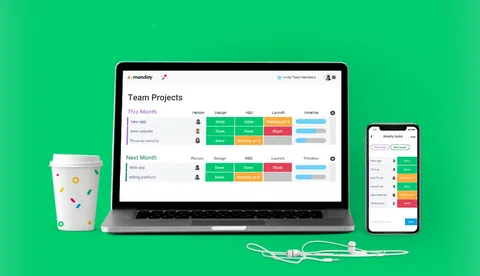
If you’re searching for the best monday.com tutorial for teams, you’re in the right place. Whether you’re new to the platform or exploring better ways to collaborate, this monday.com tutorial step-by-step guide will help you understand how to organize your projects, improve communication, and boost productivity.
monday.com is a powerful work operating system (Work OS) designed to streamline workflows, increase visibility across teams, and reduce the time spent on manual project tracking. In this tutorial, we’ll cover everything you need to get started—from basic setup to advanced features, all in a format that balances clarity and functionality.
Why Your Team Needs a monday.com Tutorial
The modern workplace demands efficiency, transparency, and adaptability. Without a structured system, projects can spiral into missed deadlines, unclear responsibilities, and general chaos. This is where monday.com excels. It turns complexity into clarity by allowing teams to visualize workflows, assign tasks, and monitor progress in real time.
Understanding how to set it up properly is crucial. That’s why this tutorial is designed to support both informational and commercial search intent—whether you’re learning the basics or considering a subscription.
What Is monday.com and How Does It Work?
monday.com is a cloud-based platform that helps teams manage tasks, projects, and workflows all in one place. It offers:
- Customizable dashboards
- Visual project tracking
- Automation for repetitive tasks
- Seamless integrations with tools like Slack, Google Drive, and Zoom
Whether you’re in marketing, software development, HR, or operations, monday.com adapts to your needs.
monday.com Tutorial: Step-by-Step Guide
Let’s walk through the platform to get your team up and running.
1. Setting Up Your First Workspace
Start by creating a workspace for your team. This acts as the central hub for your projects.
- Click “+ Add Workspace”
- Name your workspace (e.g., Marketing Team, Product Launch)
- Invite your teammates via email
2. Building Your First Board
Boards are where your work happens. Each board can represent a project, pipeline, or sprint.
- Click “+ New Board”
- Choose a template or start from scratch
- Add groups like “To Do,” “In Progress,” and “Done”
This setup is ideal for agile teams and anyone managing tasks across multiple departments.
3. Adding Columns and Items
Columns are the lifeblood of your board—they hold data like due dates, owners, statuses, and priorities.
- Use “People” columns to assign tasks
- Add “Status” to track progress visually
- Set deadlines with “Date” columns
This is where our LSI keyword fits naturally: the monday.com tutorial step-by-step guide ensures every team member knows how to create and assign tasks effectively.
4. Automating Tasks
Say goodbye to manual task updates. Use monday.com’s built-in automation recipes to streamline work:
- Notify users when status changes
- Auto-assign tasks on due dates
- Move items between groups based on triggers
5. Using Dashboards for Reporting
Dashboards give you a bird’s-eye view of all your work.
- Add widgets like workload, battery, and timeline
- Track KPIs and resource allocation in real time
- Share dashboards with stakeholders
Best monday.com Tutorial for Teams: Templates to Try
Templates save time and reduce errors. Here are a few recommended templates to get started:
- Project Tracker – Ideal for managing deliverables and deadlines
- CRM – Track leads, deals, and client interactions
- Content Calendar – Perfect for marketing and social teams
- Bug Tracking – Great for development teams managing QA
These templates help turn monday.com into a productivity powerhouse.
Tips to Go from Chaos to Clarity
- Standardize your boards across departments
- Train your team with this monday.com tutorial to ensure alignment
- Limit board sprawl—keep your workspace tidy
- Use tags and filters for fast data navigation
- Review automations regularly to adapt to process changes
Whether you’re a startup or an enterprise, monday.com can transform the way your teams collaborate.
FAQ: monday.com Tutorial Questions
What is the best monday.com tutorial for teams?
This guide is a top-rated, practical tutorial tailored for business teams. It covers setup, task management, and automations in a step-by-step format.
Is monday.com easy to learn?
Yes. monday.com is intuitive and highly visual. This tutorial helps you learn the basics in under 30 minutes.
Can I customize monday.com for my business?
Absolutely. You can tailor boards, workflows, and automations to fit your team’s exact needs—whether in sales, HR, marketing, or product development.
What are the first steps after signing up?
Start by creating a workspace, setting up a board, and inviting your team. Then follow this tutorial to build columns, assign tasks, and explore automations.
Is there a free version of monday.com?
Yes, monday.com offers a free tier with basic features. It’s perfect for small teams or those wanting to explore before upgrading.
Final Thoughts: Take Your Team from Chaos to Clarity
With this monday.com tutorial, you’ve got everything you need to organize your projects, automate your workflows, and empower your team. Whether you’re just getting started or refining your current setup, this guide will help you master the platform in no time.