Pressure ulcers are localized skin and underlying tissue injuries, typically over a bony area. These wounds result from prolonged pressure, often compounded by friction, shear, and moisture. Bedridden people, those who use a wheelchair, or those who have limited mobility are at higher risk.
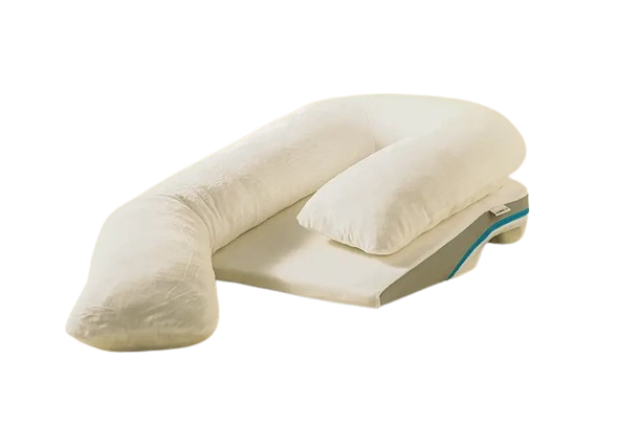
Pressure ulcers can severely impact a person’s health, leading to infection, prolonged hospital stays, and even life-threatening complications. Therefore, prevention is not just ideal, it’s essential. One of the most effective prevention tools is using medical pillows. These specialized supports are engineered not just for comfort, but for clinical efficacy in pressure management.
Here are seven powerful ways medical pillows help prevent pressure ulcers and why they should be a standard part of care for at-risk individuals.
1. Reduce Pressure on Bony Areas
When a person stays in the same position for too long, pressure accumulates on certain body parts, typically over bony prominences such as the tailbone, heels, hips, elbows, and shoulders. This pressure restricts blood flow to the tissues, leading to cell death and, eventually, an ulcer.
Medical pillows, especially those made from memory foam, gel-infused foam, or air-cell technology, redistribute the body’s weight across a broader surface area. This alleviates localized pressure and helps preserve tissue integrity.
2. Promote Better Blood Circulation
Healthy skin relies on a constant supply of oxygen and nutrients carried by the bloodstream. When circulation is impaired, skin integrity suffers from pressure or poor posture.
Positioning pillows helps reduce this risk by optimizing how the body lies or sits. Elevating the legs slightly or tilting the body can relieve pressure points, keep capillaries open, and stimulate blood flow. This is particularly critical for patients with conditions that already affect circulation, like diabetes or vascular disease.
Some medical pillows are contoured or segmented to encourage natural blood flow patterns and reduce vascular compression.
3. Support Proper Body Alignment
Poor alignment causes musculoskeletal discomfort and increases uneven pressure distribution, leading to high-stress zones on the skin. Over time, this contributes to skin breakdown.
Medical pillows are designed to maintain ergonomic alignment, whether the user is lying down or seated. Examples include:
- Wedge pillows under the knees to maintain spinal alignment.
- Lumbar support pillows preserve the natural curve of the lower back.
- Abduction pillows to keep legs properly spaced apart, especially after hip surgery.
This reduction in mechanical stress supports not only pressure ulcer prevention but also better musculoskeletal health and patient comfort.
4. Reduce Friction and Shear
Friction occurs when skin rubs against bedding or clothing, while shear happens when skin sticks to a surface but the underlying skeleton moves, such as sliding down a hospital bed. Both contribute to tissue damage beneath the surface, often going unnoticed until it’s too late.
Many medical pillows are crafted from low-friction materials, and some feature textured surfaces or non-slip undersides to help hold the body in place. These materials are especially helpful in settings where frequent repositioning is difficult.
Additionally, lifting or separating body parts, such as placing pillows under the heels or between the knees, these supports help eliminate skin-on-skin contact, further reducing the chance of irritation or breakdown.
5. Keep the Skin Dry and Cool
Moisture and heat are major contributors to pressure ulcer development. Skin that remains wet from sweat, urine, or wound drainage becomes macerated (softened), making it more prone to injury.
Medical pillows often feature moisture-wicking covers, breathable materials, or cooling gel layers that help regulate skin temperature and prevent dampness.
For instance:
- Ventilated foam pillows allow airflow around the body.
- Gel-infused pillows draw heat away from the skin.
- Waterproof, antimicrobial covers provide an added layer of hygiene and protection.
These features reduce the risk of ulcers and enhance overall comfort and hygiene.
6. Aid in Repositioning
Frequent repositioning—ideally every 2 hours for an immobile patient is the gold standard in pressure ulcer prevention. However, this can be physically demanding for caregivers and uncomfortable for patients if not done correctly.
Medical positioning pillows make this process easier and more effective. For example:
- Body wedges can keep patients securely in a side-lying position.
- Turning pillows support safe and gradual movement without jarring shifts.
- Slide sheets and bolster pillows help prevent sliding while seated.
By stabilizing the body in therapeutic positions, these pillows make repositioning less stressful and reduce caregiver strain while ensuring consistent offloading of pressure points.
7. Provide Customized Support
Every individual has different risk factors, body shapes, and medical conditions. Medical pillows are available in various sizes, shapes, and materials to meet these unique needs.
Some examples include:
- Donut-shaped cushions for relieving tailbone pressure.
- Neck rolls and cervical pillows for patients with spinal injuries
- Adjustable air-cell cushions allow caregivers to change firmness and contouring based on evolving needs.
This personalized approach ensures that each patient receives targeted, effective support, which can dramatically improve outcomes and reduce the risk of complications.
Conclusion
Pressure ulcers are a serious, yet largely preventable, healthcare challenge. Medical pillows offer a non-invasive, cost-effective, and patient-friendly solution to reduce risk, enhance comfort, and support healing.
These pillows play an essential role in caring for people with limited mobility by reducing pressure, enhancing circulation, minimizing friction, and improving posture.
Whether in hospitals, nursing homes, or home care settings, integrating medical pillows into daily routines is a smart, compassionate step toward preserving skin integrity and improving quality of life.