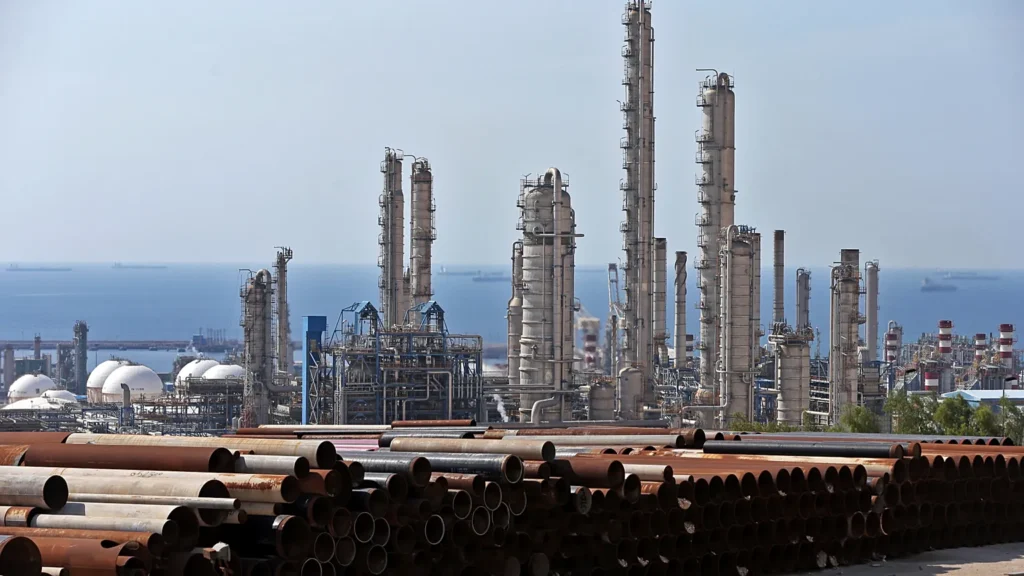
April 20, 2026 will be remembered as another jarring moment in the fragile balance of global energy markets. We are witnessing a sharp surge in oil prices, climbing more than five percent in a matter of hours, as tensions between the United States and Iran choke one of the world’s most critical oil arteries, the Strait of Hormuz. The sudden spike is not just a market fluctuation. It reflects a deeper fear rippling across economies, households, and industries that depend on a steady flow of energy.
A chokepoint under pressure
The Strait of Hormuz is not just another shipping lane. It is the narrow passage through which nearly one fifth of the world’s oil supply moves daily, connecting major Gulf producers to global markets. When traffic slows or halts here, the consequences are immediate and far reaching. Analysts estimate that disruptions in this corridor alone can influence prices within hours, as traders anticipate shortages and supply bottlenecks.
Over the past forty eight hours, escalating military tensions and conflicting signals from both Washington and Tehran have effectively blocked or severely limited tanker movement. Reports indicate that maritime traffic has plummeted, with only a handful of ships attempting passage where dozens would typically transit daily.
The immediate trigger behind the surge
The latest price jump follows a series of rapid developments that shattered already fragile ceasefire expectations. A U.S. naval interception of an Iranian vessel, combined with reported attacks on tankers, reignited fears of a prolonged confrontation.
Markets reacted almost instantly. Brent crude surged toward the mid ninety dollar range, while U.S. West Texas Intermediate followed closely behind. The rebound was particularly striking given that just days earlier, prices had fallen sharply on hopes that the strait would reopen under a temporary truce.
What we are seeing is a classic case of geopolitical volatility driving commodity markets. Confidence rises and collapses within hours, and with each shift, billions of dollars move across global exchanges.
A crisis with deep historical echoes
Energy analysts have begun comparing the current disruption to some of the most severe supply shocks in modern history. The closure and reopening cycle of the Strait of Hormuz in recent weeks has created what some experts describe as the largest disturbance in oil supply since the energy crises of the twentieth century.
Earlier this year, crude prices briefly surged above one hundred dollars per barrel, highlighting just how sensitive the market remains to disruptions in this region. While prices have fluctuated since then, the underlying instability has not disappeared.
Why the world is watching so closely
To understand the urgency, we must look beyond headlines and into the mechanics of global energy dependence. Countries across Asia, Europe, and beyond rely heavily on oil shipments passing through this narrow waterway. A significant portion of exports from Saudi Arabia, Iraq, the United Arab Emirates, and Qatar flows through this route.
When that flow is threatened, the ripple effects extend far beyond fuel costs:
- Shipping insurance rates surge due to heightened risk
- Supply chains slow down, increasing transportation costs
- Inflationary pressure builds as energy prices rise
- Developing economies face intensified fiscal strain
Even a partial disruption can remove millions of barrels per day from the market, tightening supply and amplifying price volatility.
Economic consequences already unfolding
The surge in oil prices is not occurring in isolation. We are already seeing early signs of broader economic impact. In the United States, gasoline prices have climbed above four dollars per gallon, with officials warning that relief may not come soon.
Globally, rising energy costs are feeding into inflation, putting pressure on central banks that are still navigating post pandemic recovery challenges. In energy importing countries, the strain is even more acute, as governments grapple with higher import bills and currency pressures.
Financial markets have also shown signs of unease. While some sectors remain resilient, energy intensive industries are bracing for higher operating costs, and investors are increasingly factoring geopolitical risk into their decisions.
Diplomacy hangs in the balance
Behind the market movements lies a complex diplomatic struggle. Negotiations between the United States and Iran have produced mixed signals, with both sides accusing each other of violating ceasefire terms.
Efforts to stabilize the situation have been complicated by mistrust and rapidly changing conditions on the ground. Even when agreements are announced, their durability remains uncertain, as recent events have clearly demonstrated.
The stakes are enormous. A sustained blockade or prolonged conflict could push oil prices well beyond current levels, potentially triggering a global economic slowdown.
Industry response and adaptation
Energy companies and shipping firms are already adjusting their strategies. Some have paused operations in the region entirely, while others are rerouting shipments or seeking alternative supply sources. However, replacing the capacity of the Strait of Hormuz is not a simple task.
Strategic reserves may provide temporary relief, and some producers outside the region could increase output. Yet these measures are unlikely to fully offset a prolonged disruption.
Insurance premiums for tankers have surged, and freight costs are climbing as fewer ships are willing to risk transit through the conflict zone. These additional costs inevitably feed into the final price consumers pay.
A fragile path forward
Looking ahead, the trajectory of oil prices will depend largely on whether diplomatic efforts can stabilize the region. Historical patterns suggest that such disruptions can take months to resolve, with market normalization often lagging behind political agreements.
Some analysts project that even if tensions ease, it could take significant time for shipping volumes and market confidence to fully recover. The psychological impact on traders and insurers alone can prolong volatility well beyond the immediate crisis.
The human dimension behind the numbers
It is easy to view oil prices as abstract figures scrolling across financial screens. Yet behind every percentage increase lies a tangible impact on daily life. Higher fuel costs translate into more expensive food, transportation, and basic goods. For many households, especially in developing regions, these increases are not merely inconvenient but deeply disruptive.
As we follow this unfolding story, it is worth remembering that global energy markets are not just about barrels and benchmarks. They are about livelihoods, stability, and the interconnected nature of our world.
For deeper context on global energy systems and market dynamics, readers can explore resources from the International Energy Agency and the latest commodity insights from Reuters Energy.
Conclusion
The surge in oil prices amid the Hormuz standoff is a stark reminder of how quickly geopolitical tensions can reshape the global economy. What began as a regional conflict has once again underscored the vulnerability of the world’s energy infrastructure.
We are at a moment where uncertainty dominates, where each new development carries the potential to shift markets and lives in profound ways. Whether this crisis deepens or begins to ease will depend on decisions made in the coming days, decisions that will resonate far beyond the narrow waters of the Strait of Hormuz.