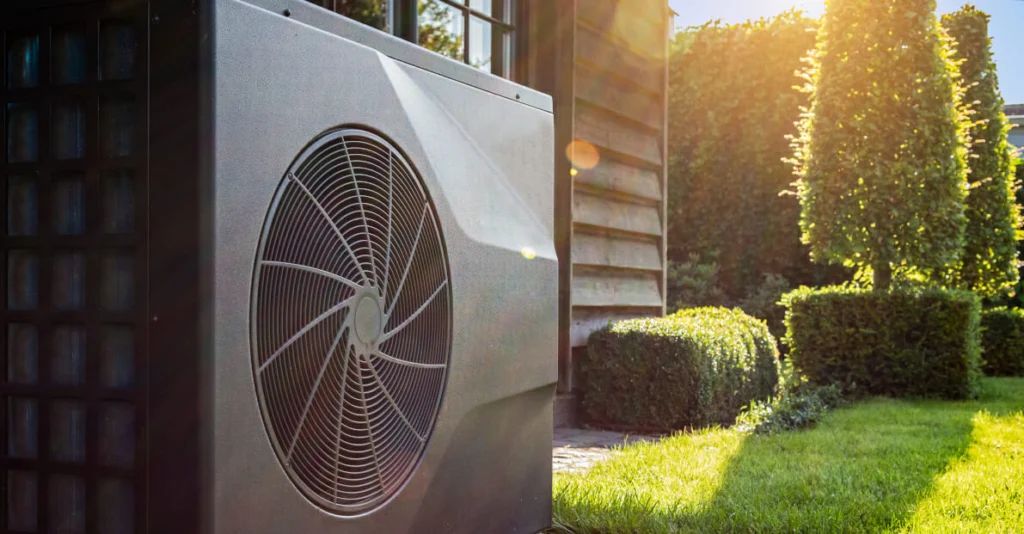
On April 20, 2026, Europe signaled a decisive shift in how it powers homes, heats buildings, and secures its energy future. The European Commission has intensified its push for stricter energy efficiency standards, placing heat pumps and locally generated renewable energy at the heart of its strategy. We are witnessing not just a policy adjustment, but a structural transformation that could redefine how millions of Europeans live, spend, and consume energy.
A turning point in Europe’s energy strategy
The latest directive builds on years of mounting pressure to reduce dependence on imported fossil fuels. For policymakers, the urgency is clear. Energy price shocks in recent years exposed vulnerabilities in Europe’s reliance on external suppliers, prompting a rethink of both supply chains and consumption patterns.
Energy efficiency has emerged as a cornerstone of that response. According to European Commission assessments, improvements over the past two decades have already prevented energy consumption from rising by roughly 27 percent, saving households money and reducing emissions.
Now, the focus is shifting from incremental gains to systemic change, with binding standards and clear targets shaping the next phase of Europe’s energy transition.
Heat pumps move from alternative to priority
At the center of this policy shift is the rapid expansion of heat pump technology. Once considered a niche solution, heat pumps are now positioned as a primary tool for decarbonizing heating across the continent.
These systems are significantly more efficient than traditional gas boilers, often delivering three to five times more energy than they consume. Their appeal extends beyond environmental benefits. They offer households protection against volatile fossil fuel prices and provide integrated heating, cooling, and hot water solutions.
European initiatives are accelerating adoption through financing programs, technical support, and incentives. The Social Climate Fund and other mechanisms aim to make these systems accessible to a broader segment of the population, particularly lower income households.
Why heat pumps are central to the plan
- They reduce reliance on imported gas and oil
- They lower household energy bills over time
- They integrate easily with renewable electricity systems
- They support long term climate neutrality goals
Estimates suggest that millions of additional units will be installed in the coming years, with ambitious targets tied to broader initiatives such as REPowerEU.
Buildings become the frontline of change
Europe’s building sector accounts for a significant share of energy consumption, particularly for heating and cooling. Yet a large portion of the housing stock remains inefficient, with many properties falling into lower energy performance categories.
The revised Energy Performance of Buildings Directive introduces mandatory standards that require member states to upgrade inefficient buildings. This marks a shift from voluntary sustainability efforts to enforceable requirements that directly affect property owners and developers.
We see a clear message emerging. The future of housing in Europe will be defined not only by design and location but by energy performance. Efficient buildings are already commanding higher market value, while outdated properties face growing pressure to modernize.
The rise of homegrown renewable energy
Alongside efficiency upgrades, the European Commission is doubling down on local renewable energy generation. Solar panels on rooftops, community energy systems, and decentralized grids are becoming essential components of the new energy model.
Research indicates that rooftop solar alone could supply up to 40 percent of Europe’s electricity needs in the long term, underscoring the scale of opportunity.
This shift toward domestic energy production is about more than sustainability. It is a strategic move to insulate economies from external shocks and stabilize energy costs for consumers.
Economic implications for households and industry
The transition to energy efficient systems carries both challenges and opportunities. For households, the upfront cost of renovations and new technologies can be significant. However, long term savings on energy bills and increased property value offer strong incentives.
For industry, the implications are equally profound. Energy intensive sectors are being pushed toward electrification, with heat pumps and clean electricity offering a pathway to lower operating costs. Studies suggest that even with higher electricity prices, efficient technologies can reduce expenses in certain sectors by as much as 20 percent.
This dual impact highlights the broader economic strategy behind the policy. Energy efficiency is not just an environmental goal but a driver of competitiveness and resilience.
Financing the transition
One of the most critical questions surrounding these mandates is how they will be financed. The European Commission is addressing this through a combination of public funding, private investment incentives, and advisory services.
Programs such as one stop shops for energy renovation are designed to guide homeowners through the process, offering technical, financial, and administrative support.
This integrated approach aims to remove barriers that have historically slowed adoption, from complex regulations to lack of information.
Challenges on the road ahead
Despite the ambitious vision, the path forward is not without obstacles. The scale of renovation required across Europe is immense, and supply chains for technologies like heat pumps must expand rapidly to meet demand.
Workforce training is another critical factor. Installing and maintaining advanced energy systems requires skilled professionals, and shortages in this area could slow progress.
There are also social considerations. Ensuring that the benefits of the transition are shared equitably will be essential to maintaining public support. Policymakers are increasingly aware that affordability and accessibility must remain central to implementation.
A broader shift in how Europe consumes energy
What stands out in this policy moment is the shift in mindset it represents. Energy is no longer viewed solely as a commodity to be imported and consumed. It is becoming a system to be managed, optimized, and produced locally.
The emphasis on electrification, efficiency, and renewables reflects a holistic approach that touches every aspect of daily life, from how homes are built to how industries operate.
For deeper insights into Europe’s evolving energy framework, readers can explore resources from the European Commission energy portal and analysis from Ember energy research.
What this means for the future
As we look ahead, the implications of these mandates extend far beyond 2026. They set the stage for a long term transformation that will shape Europe’s economic and environmental trajectory for decades.
We are witnessing the early stages of a new energy era, one defined by efficiency, independence, and innovation. The success of this transition will depend not only on policy but on the collective actions of governments, businesses, and individuals.
For millions of Europeans, the changes will be felt in their homes, their bills, and their daily routines. For the continent as a whole, the stakes are even higher, touching on energy security, climate goals, and economic stability.
The direction is clear. Europe is moving toward an energy system that is cleaner, more resilient, and less dependent on the uncertainties of global fossil fuel markets. The journey will be complex, but the momentum is undeniable.