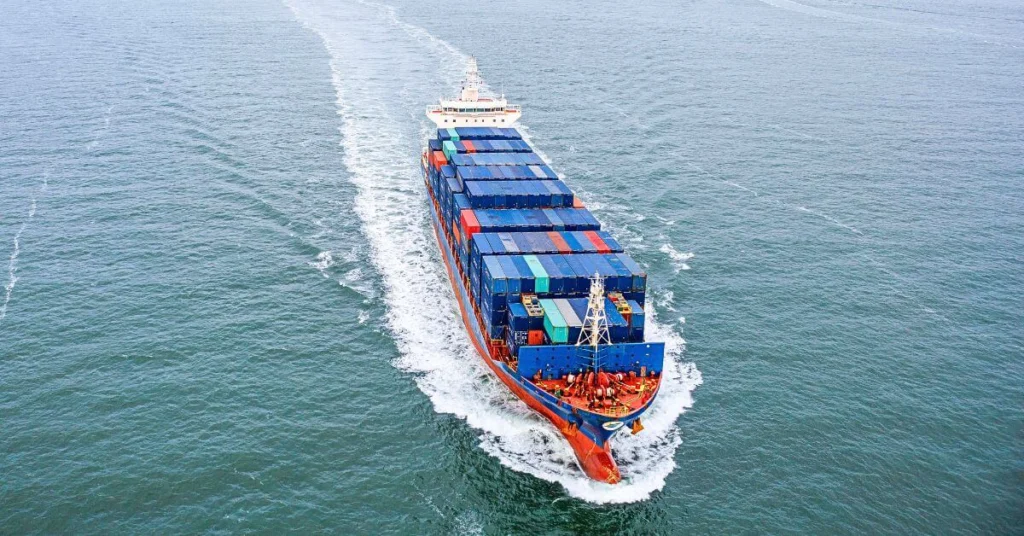
On April 19, 2026, the International Maritime Organization moved to tighten one of the most overlooked but critical foundations of global trade: how ships are registered and identified at sea. The IMO Legal Committee approved a new set of guidelines aimed at preventing fraudulent use of national flags and improving transparency in ship registration systems worldwide. We are looking at a regulatory shift that directly targets hidden corners of maritime operations where accountability has long been difficult to enforce.
A long standing vulnerability in global shipping
Every commercial vessel operating internationally must be registered under a flag state, a system that determines which country’s laws apply at sea. This framework, while essential for global trade, has also been exploited. Weak oversight and inconsistent registry standards have allowed some vessels to operate under false or misleading national flags, a practice widely known as flag fraud or fraudulent registration.
According to IMO data and maritime investigations, hundreds of ships have been linked to false flag activity in recent years, often tied to illicit trading networks and so called shadow fleet operations. These practices not only distort competition but also undermine safety, environmental standards, and maritime law enforcement. ([imo.org](https://www.imo.org/en/OurWork/Legal/Pages/Registration-of-Ships.aspx?utm_source=chatgpt.com))
We view this issue as more than a technical loophole. It is a structural weakness that affects trust across global shipping markets, from insurers and port authorities to cargo owners and seafarers.
What the new IMO guidelines change
The newly approved framework introduces stronger expectations for flag states and ship registries, focusing on due diligence, verification, and accountability. While not a binding treaty, the guidelines are designed to serve as an international benchmark for best practices in ship registration.
At the core of the reforms are measures aimed at closing gaps that have allowed fraudulent registration to persist. These include stricter identity checks, enhanced ownership verification, and improved information sharing between national registries. ([maritimecurrentnews.com](https://maritimecurrentnews.com/imo-adopts-first-global-guidelines-to-combat-maritime-fraud-and-flag-misuse/?utm_source=chatgpt.com))
We are seeing a clear emphasis on prevention rather than reaction. Instead of addressing fraud after it occurs, the system is being redesigned to make falsification significantly harder at the point of registration.
Key focus areas of the reform
The IMO framework concentrates on several operational pillars that shape how ships are documented and monitored:
- Verification of ship ownership structures before registration approval
- Strengthened checks on vessel identity and technical documentation
- Improved oversight of private and third party registry operators
- Better coordination between flag states and international maritime databases
These changes are intended to reinforce what maritime law refers to as the “genuine link” between a vessel and its flag state, a principle requiring real jurisdictional control rather than nominal registration. ([imo.org](https://www.imo.org/en/OurWork/Legal/Pages/Registration-of-Ships.aspx?utm_source=chatgpt.com))
Why fraudulent registration has become a global concern
Ship registration is not just administrative paperwork. It determines which laws apply at sea, how safety is enforced, and who is responsible in cases of environmental damage or labor violations. When ships operate under false or unclear registration, enforcement becomes extremely difficult.
Investigations in recent years have revealed networks of fraudulent registries and fake flag websites that impersonate legitimate maritime authorities. These schemes have been used to mask ownership, evade sanctions, and bypass safety requirements. ([splash247.com](https://splash247.com/imo-moves-to-tighten-ship-registration-rules-amid-surge-in-flag-fraud/?utm_source=chatgpt.com))
We have also seen growing concern over so called shadow fleets, where aging or high risk vessels operate under opaque ownership structures and questionable registration histories. These fleets raise serious questions about environmental safety and compliance with international law. ([en.wikipedia.org](https://en.wikipedia.org/wiki/Shadow_fleet?utm_source=chatgpt.com))
Inside the Legal Committee’s decision
The IMO Legal Committee, which met in London for its latest session, framed the decision as a response to increasing misuse of flag systems and gaps in global oversight. The guidelines were developed after years of study into fraudulent registration cases reported by member states and maritime authorities.
We understand this as the culmination of a process that began with early warnings from affected countries and industry regulators. Over time, evidence accumulated showing that existing systems were not sufficient to prevent impersonation and misuse of national registries. ([imo.org](https://www.imo.org/en/OurWork/Legal/Pages/Legal-Committees-work.aspx?utm_source=chatgpt.com))
The result is a coordinated attempt to bring consistency to how ship registration is handled, especially in open registries where foreign owned vessels can register under a national flag.
The real world impact on shipping and trade
For global shipping companies, insurers, and port authorities, these changes are expected to improve clarity and reduce risk. Fraudulent registration has long created uncertainty around liability, especially when vessels are involved in accidents, pollution incidents, or legal disputes.
Stronger verification processes could also help reduce reputational risk for legitimate flag states whose names have been misused by unauthorized registries or criminal actors.
At the operational level, companies may experience more rigorous documentation requirements during registration and renewal processes. While this could increase administrative workload in the short term, industry experts suggest it will improve long term stability and trust in maritime transactions.
A step toward digital and transparent shipping systems
The IMO reforms also align with a broader shift toward digital maritime governance. Many flag states are already investing in electronic registries and data sharing systems designed to track vessel identity and ownership more effectively.
Global maritime databases are becoming central tools for enforcement agencies and insurers seeking to verify ship legitimacy. For context on how maritime governance is evolving, resources from the International Maritime Organization provide detailed insights into current regulatory frameworks.
We are witnessing the early stages of a more interconnected regulatory ecosystem where transparency is no longer optional but expected.
Challenges ahead for implementation
Despite widespread support for the new guidelines, implementation will not be simple. Ship registration systems vary significantly across countries, and enforcement capacity is uneven. Some flag states operate highly sophisticated regulatory frameworks, while others rely heavily on third party management or outsourced registries.
Ensuring consistent application of due diligence standards will require investment in administrative capacity, training, and international cooperation. There is also the challenge of monitoring private actors who operate outside traditional regulatory structures.
We expect that the effectiveness of these guidelines will depend heavily on how seriously member states adopt and enforce them in practice.
What this means for maritime governance
The approval of these rules reflects a broader recognition that maritime security begins at the point of registration. Without reliable identity verification, every other layer of regulation becomes harder to enforce.
This is not simply about paperwork. It is about ensuring that every vessel at sea can be traced, verified, and held accountable under international law. That principle is fundamental to safe navigation, fair trade, and environmental protection.
For further reading on global shipping law and regulatory frameworks, analysis from UN Trade and Development maritime reports offers additional context on how international shipping systems are governed.
A quieter but critical shift in global trade
Unlike dramatic geopolitical announcements or market moving trade deals, changes in ship registration rules rarely make headlines outside specialist circles. Yet their impact runs deep through the global economy.
We see this reform as part of a broader effort to restore trust in maritime systems that underpin more than 80 percent of global trade. By tightening registration standards, the IMO is addressing a foundational issue that affects everything from fuel transport to consumer goods supply chains.
The effectiveness of these measures will become clearer over time. For now, the direction is unmistakable. Global shipping is moving toward greater transparency, stricter accountability, and reduced tolerance for hidden or fraudulent operations at sea.