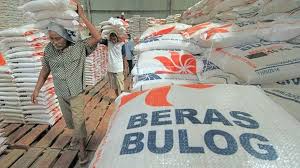
On April 19, 2026, Indonesia moved to reassure its citizens and global markets that it is prepared for an expected climate disruption known as the “El Niño Godzilla” pattern. The government confirmed it has secured a 4.9 million ton rice reserve, positioning the country to withstand what meteorologists warn could be a severe and prolonged dry spell. We are witnessing a moment where food security is no longer a background policy issue, but a frontline defense against climate volatility.
A massive reserve built for an uncertain climate cycle
Indonesia’s confirmation of a 4.9 million ton rice stock is more than a statistical update. It reflects a deliberate national strategy to stabilize food availability during extreme weather conditions. Officials say the reserve is managed by the national logistics agency and is sufficient to cover domestic demand for many months even under stress conditions.
We observe this move as part of a broader effort to shield the country from climate driven disruptions that increasingly affect agricultural production cycles. The “Godzilla” El Niño, a term used by scientists and policymakers to describe an unusually strong warming event in the Pacific, is expected to reduce rainfall and strain rice cultivation across key producing regions.
Government data indicates that total national rice availability is even higher when including standing crops and private sector supplies, reinforcing the sense of short term stability despite environmental risk.
What makes this El Niño different
The current El Niño projection has raised concern because of its intensity and timing. Climate agencies warn that the warming pattern may coincide with already stressed agricultural conditions, increasing the likelihood of drought in several parts of Southeast Asia.
In Indonesia, where rice is both a staple food and a cultural cornerstone, rainfall variability directly influences food prices, rural livelihoods, and national inflation trends. The government has described the expected event as potentially longer and drier than previous cycles, prompting early mitigation measures.
We see this as a shift from reactive crisis response to proactive climate preparedness, a model increasingly necessary as extreme weather patterns become more frequent.
Inside Indonesia’s food security strategy
The confirmed rice reserve is only one layer of a broader national food security system. Authorities have expanded storage capacity, improved distribution logistics, and strengthened coordination with regional governments to ensure rapid deployment if shortages occur.
Recent policy measures include increased monitoring of rice markets, expanded procurement from domestic farmers, and targeted distribution programs aimed at stabilizing prices in vulnerable regions. These efforts are designed to prevent panic buying and maintain affordability for lower income households.
We also note that Indonesia’s approach includes diversification of food reserves, not relying solely on rice but also maintaining stocks of other essential commodities to cushion supply shocks.
The role of agriculture in climate resilience
Agriculture remains central to Indonesia’s economic and social stability. Millions of households depend on farming, particularly rice cultivation, as their primary source of income. During El Niño events, reduced rainfall can significantly affect yields, especially in rain fed farming areas.
To counter this, the government has been investing in irrigation improvements, water pumping systems, and drought resistant seed distribution. These interventions are designed to maintain productivity even when weather conditions deviate from seasonal norms.
We interpret these measures as part of a long term transition toward climate adaptive agriculture, where resilience is built into the system rather than added as an emergency response.
How global food systems are connected
Indonesia’s food security strategy also reflects broader global concerns. Rice is a globally traded commodity, and disruptions in one major producing region can influence prices across international markets.
Organizations such as the Food and Agriculture Organization have repeatedly warned that climate variability is one of the most significant risks to global food stability. Similarly, the World Bank climate research programs highlight how extreme weather events can amplify food insecurity in developing economies.
We see Indonesia’s reserve strategy as both a national safeguard and a stabilizing factor in regional food supply chains.
Economic and social implications
The availability of a large rice reserve has immediate economic implications. It helps anchor consumer expectations, reduces the risk of price spikes, and provides the government with flexibility to intervene in markets if necessary.
For households, especially those in lower income brackets, stable rice prices are critical. Even small fluctuations can have a noticeable impact on daily living costs, given rice’s central role in the Indonesian diet.
We also recognize the psychological dimension of food security. Public confidence in supply stability can reduce anxiety and prevent disruptive purchasing behavior during periods of uncertainty.
Climate adaptation beyond emergency response
While emergency reserves are essential, experts emphasize that long term resilience depends on structural adaptation. This includes improving irrigation networks, investing in climate forecasting systems, and supporting farmers with technology and training.
Indonesia has begun expanding irrigation infrastructure and deploying water management systems to reduce dependence on unpredictable rainfall patterns. These investments aim to stabilize production even during dry cycles associated with El Niño events.
We see this as an important evolution from short term stockpiling to long term sustainability planning.
Challenges that remain ahead
Despite strong reserves, challenges persist. Climate models suggest that extreme weather events may become more frequent and less predictable. This increases pressure on agricultural systems that are already vulnerable to land degradation and water stress.
Logistical distribution across Indonesia’s vast archipelago also remains complex. Ensuring that food stocks reach remote regions efficiently during disruption scenarios requires coordination across multiple layers of government and supply networks.
We also note that maintaining large reserves involves financial and operational costs, requiring continuous balancing between preparedness and economic efficiency.
A nation preparing for a changing climate reality
Indonesia’s decision to secure nearly five million tons of rice ahead of a projected El Niño event reflects a broader recognition that climate risk is now a structural part of food policy. The approach is pragmatic, data driven, and increasingly aligned with global climate adaptation strategies.
We are seeing a shift where food security is no longer treated as a reactive policy area, but as an integrated component of national resilience planning. The success of this strategy will depend not only on reserve levels, but on how effectively systems respond when climate pressures intensify.
For now, Indonesia enters this uncertain weather cycle with a strengthened buffer, a coordinated policy framework, and a clear acknowledgment that the climate era demands constant readiness rather than temporary fixes.