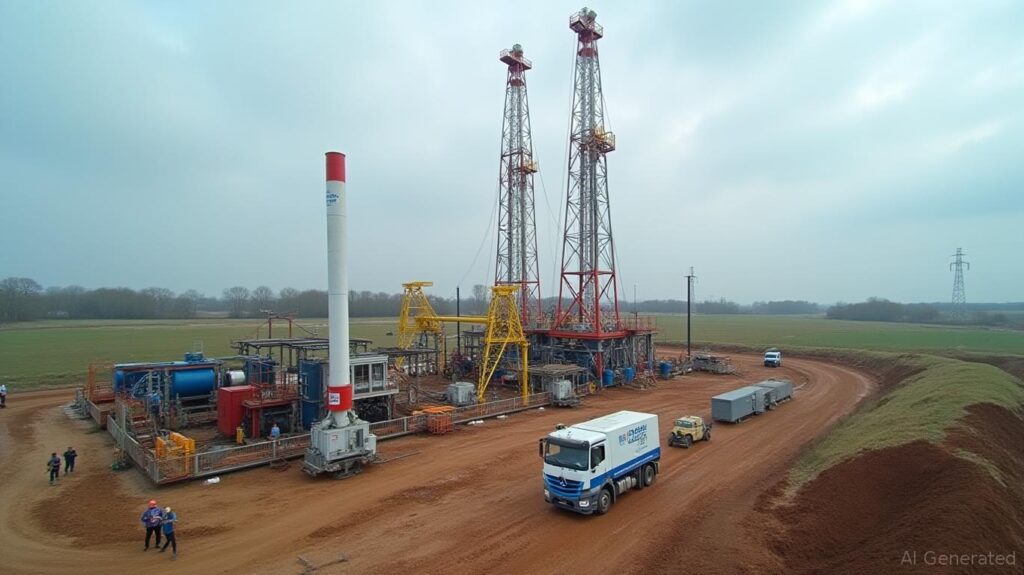
In a move that reflects both innovation and controversy, Reabold Resources has announced plans to convert natural gas from its West Newton site into power for Bitcoin mining. The pilot project, revealed on April 19, 2026, is being positioned as a way to improve energy efficiency by using early gas flows that might otherwise go underutilized. The announcement arrives at a time when energy markets, environmental concerns, and digital finance are colliding in increasingly complex ways.
A Pilot Project Rooted in Practical Constraints
At the center of this initiative is a simple challenge. Early stage gas production often generates flows that are not immediately connected to large scale infrastructure such as pipelines or industrial users. Rather than letting that energy go to waste, Reabold is exploring a small scale power generation system that can convert gas into electricity on site.
This electricity would then be used to operate Bitcoin mining equipment, effectively turning a stranded resource into a digital asset. The company has described the project as a proof of concept that could inform future development strategies at West Newton and similar sites.
We are witnessing a pragmatic response to a longstanding issue in energy production. Gas that cannot be transported or sold immediately has traditionally been flared or left unused. This pilot suggests a different path, one that attempts to capture value while reducing waste.
Understanding the Gas to Bitcoin Model
The concept behind this approach is often referred to as gas to hash. It involves converting natural gas into electricity and using that power to run the computational processes required for Bitcoin mining.
This model is not entirely new. In parts of the United States, energy companies have used similar methods to monetize excess gas. What makes the West Newton project notable is its application within the United Kingdom, where regulatory frameworks and energy policies have historically limited such experimentation.
Bitcoin mining itself requires significant computing power. Specialized machines perform complex calculations to validate transactions on the blockchain, and in return, operators receive newly minted Bitcoin. The process is energy intensive, which is why access to low cost or otherwise unused energy sources is critical.
West Newton’s Strategic Importance
The West Newton site in East Yorkshire has long been viewed as a potentially significant onshore gas resource. For Reabold, it represents both an opportunity and a challenge.
Development of the field has faced delays, funding constraints, and regulatory hurdles over the years. These factors have slowed the transition from exploration to full scale production.
The Bitcoin mining pilot introduces a new layer to the site’s strategic value. By creating an interim use for gas flows, the company can generate revenue while continuing to assess longer term options such as supplying gas to the grid or supporting industrial demand.
This dual approach reflects a broader trend in energy development. Companies are increasingly seeking flexible solutions that can adapt to market conditions and infrastructure timelines.
Economic Incentives and Market Dynamics
The financial logic behind the pilot is tied to both energy and cryptocurrency markets. Natural gas prices can fluctuate, and early stage production may not always justify immediate large scale investment in transport infrastructure.
Bitcoin, on the other hand, offers a different kind of opportunity. Its value is driven by global demand, and mining can generate returns if operational costs are managed effectively. By using gas that might otherwise have limited immediate value, the company is attempting to create a new revenue stream.
There is also a broader context to consider. Energy companies are under pressure to maximize efficiency and demonstrate responsible resource use. Projects like this allow firms to present themselves as innovative while potentially improving financial performance.
Environmental Questions at the Forefront
Any discussion of gas based Bitcoin mining inevitably raises environmental concerns. Critics argue that linking fossil fuels to cryptocurrency production risks increasing carbon emissions, particularly at a time when many countries are working toward net zero targets.
Supporters counter that using gas which would otherwise be flared or wasted can reduce overall emissions. The key issue is how the energy is managed and whether the process replaces less efficient practices.
The debate is not easily resolved. It touches on larger questions about the role of fossil fuels in a transitioning energy system. While renewable energy continues to expand, natural gas remains a significant part of the global energy mix.
For local communities near West Newton, environmental impact will likely remain a central concern. Past delays and controversies surrounding the site have already shaped public perception, and new developments will be closely scrutinized.
The Intersection of Energy and Digital Infrastructure
The pilot project also highlights a growing convergence between energy production and digital infrastructure. Data centers, blockchain networks, and artificial intelligence systems all require substantial amounts of power.
By exploring on site energy use for digital operations, companies are effectively blending two industries that were once separate. This integration could reshape how energy assets are developed and utilized.
Reabold has indicated that successful implementation of the pilot could lead to larger scale data center development at the site.
This possibility raises interesting questions about the future of energy sites. Could they become hubs for both physical and digital production? Could remote locations host computing operations powered by local resources?
Challenges and Uncertainties Ahead
Despite the potential benefits, the path forward is far from certain. The pilot remains in an exploratory phase, and its success will depend on technical performance, regulatory approval, and market conditions.
Bitcoin prices are known for volatility, which introduces financial risk. Energy policies are also evolving, particularly in Europe, where governments are balancing energy security with environmental commitments.
There are also operational challenges. Running mining equipment requires consistent power supply, cooling systems, and maintenance. Integrating these requirements into an active gas site adds complexity.
Key Factors That Will Shape the Outcome
- Regulatory approval for on site power generation and cryptocurrency operations
- Stability of gas production and energy conversion systems
- Market conditions in both energy and cryptocurrency sectors
- Public and stakeholder response to environmental concerns
Each of these factors will influence whether the pilot remains a niche experiment or evolves into a broader strategy.
A Broader Industry Shift in Motion
The West Newton initiative is part of a wider shift within the energy sector. Companies are exploring new ways to extract value from existing resources, particularly in situations where traditional infrastructure is delayed or costly.
Similar approaches have emerged globally, with operators using excess or stranded gas to power digital operations. This reflects a growing recognition that energy efficiency is not only about reducing consumption, but also about maximizing the utility of what is already produced.
At the same time, the rise of digital assets has created new demand for energy intensive processes. The intersection of these trends is driving experimentation, even as it raises important questions about sustainability.
What This Means for the Future of Energy Use
We are observing a moment where innovation is being driven by necessity. Energy companies must navigate uncertain markets, evolving regulations, and increasing scrutiny from the public.
The gas to Bitcoin pilot at West Newton represents one possible response. It attempts to address inefficiency, create new revenue streams, and adapt to changing conditions. Whether it succeeds will depend on execution and acceptance.
What is clear is that the boundaries between industries are becoming less defined. Energy production, digital infrastructure, and financial systems are increasingly interconnected.
This development invites a broader reflection. As technology advances, the ways in which we produce, distribute, and consume energy will continue to change. Projects like this offer a glimpse into that future, one where innovation and controversy often move side by side.