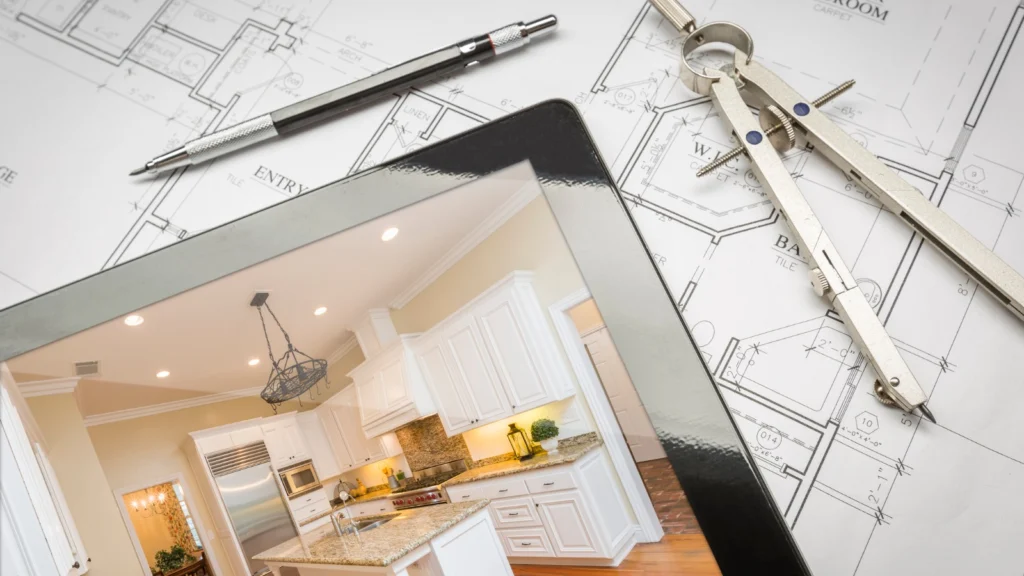
We are witnessing a fundamental shift in the American relationship with home. After years of pandemic fueled moves and the frenzy of bidding wars, a quieter, more deliberate transformation is taking hold. According to a new forecast from the National Association of Home Builders (NAHB), the remodeling sector is poised for steady, sustained growth driven by two powerful forces: an aging housing stock and the “lock in” effect of modern mortgage rates. With projections indicating a 3 percent increase in home renovation spending through 2026, millions of homeowners are sending a clear message: moving is not the only path to a better living situation.
This isn’t just about fixing a leaky faucet; it is a structural reorientation of the housing market. As we enter the spring of 2026, the decision to “renovate in place” has become a strategic financial move, an emotional necessity, and for many, the only logical option. We spoke with industry experts and analyzed the latest data to uncover what this remodeling renaissance means for your wallet and your walls.
The Mortgage Trap: Why Homeowners Are Choosing Sledgehammers Over For Sale Signs
To understand the surge in remodeling, we must first look at the economics of staying put. The “lock in effect” refers to the golden handcuffs keeping homeowners tied to their current properties. With a significant portion of outstanding mortgages carrying interest rates below 4 percent or even 3 percent, selling a home means trading that financial security for a new loan at a rate that remains meaningfully higher, hovering near 6 percent in early 2026.
This is not a minor inconvenience; it is a mathematical deterrent. For a family with a $300,000 mortgage at 3 percent, moving and borrowing the same amount at a 6 percent rate could add hundreds of dollars to their monthly payment. Consequently, we are seeing a record number of homeowners opting to “build up” rather than “buy up.” Instead of searching for a house with a finished basement or a renovated kitchen, they are hiring professionals to create those spaces in the homes they already own. The data backs up this behavioral shift, with remodeler sentiment remaining in positive territory, registering a solid 62 on the NAHB/Westlake Royal Remodeling Market Index (RMI) in the first quarter of 2026.
The Graying of America’s Housing Stock: A Maintenance Imperative
Beyond the financial incentives of low mortgage rates, there is a physical reality driving the market: homes are getting old. The NAHB reports that the median age of owner occupied homes has climbed to 41 years, a significant jump from 31 years in 2006. This data point is critical because older homes require more care.
We are entering a phase where maintenance is no longer discretionary. Systems that were installed in the early 2000s, such as HVAC units, roofs, windows, and plumbing, are reaching the end of their functional lifespans. This creates a baseline of “need to do” projects that insulates the remodeling industry from the volatility seen in new home construction. Whether it is replacing outdated electrical wiring to meet modern safety codes or updating insulation to combat rising energy costs, the aging housing stock is providing a steady stream of unavoidable work.
Luxury and Practicality: The Two Faces of 2026 Renovations
While some projects are born of necessity, a significant portion of the predicted 3 percent growth is coming from the top end of the market. In what economists describe as a “K shaped” recovery, wealthier households are continuing to invest heavily in high end amenities. At the recent International Builders’ Show, industry leaders noted a distinct trend toward luxury upgrades. Homeowners in this segment are not just repairing; they are installing premium appliances, spa like bathrooms, and custom outdoor living spaces without concern for interest rate fluctuations.
However, the “missing middle” is more cautious. These homeowners are delaying large scale discretionary projects until they see more consistent economic stability. Yet, there is optimism that this pent up demand will unlock later in the year. When it does, the focus will likely shift to high value, mid tier projects that blend aesthetics with efficiency.
Aging in Place: Designing for the Long Haul
One of the most empathetic drivers of this remodeling wave is the desire to age in place. As the population ages, homeowners are proactively modifying their properties to accommodate changing physical needs. According to NAHB surveys, over half of remodelers are currently involved in aging in place modifications, with the vast majority reporting a significant increase in requests for features like zero threshold showers, grab bars, and wider doorways.
This is not just about safety; it is about dignity and independence. Rather than facing the emotional and financial stress of moving to assisted living facilities, families are choosing to invest in their current homes as “forever homes.” This trend is expected to provide a long term tailwind for the industry, as these modifications require specialized skills and thoughtful design, moving beyond simple cosmetic updates.
Navigating the Financing Maze in a High Rate Environment
Financing a renovation in 2026 requires more surgical precision than it did a few years ago. The days of the cheap cash out refinance are largely over. For homeowners with a coveted low rate mortgage, touching that primary loan is a financial mistake. Instead, industry experts advise looking at second layer financing options.
The Home Equity Line of Credit (HELOC) has emerged as the tool of choice for many. Because it sits on top of your existing mortgage, a HELOC allows you to borrow against your equity without disturbing your low primary rate. You pay the current interest rate only on the money you borrow for the renovation. For those looking at smaller projects or those who prefer fixed monthly payments, a home equity loan is a viable alternative. Before signing any paperwork, we strongly advise homeowners to run the numbers. If a $50,000 kitchen renovation saves you from moving into a new home with a 6 percent mortgage, the return on investment is measured not just in resale value, but in the money you save by staying. For detailed guidance on home improvement financing, the Consumer Financial Protection Bureau offers free resources to help homeowners compare loan products and understand lender requirements.
Labor and Supply: The Headwinds to Watch
Despite the sunny forecast for demand, the industry faces significant headwinds. The most pressing issue is the persistent skilled labor shortage. Even as demand surges, remodelers are struggling to find enough carpenters, electricians, and plumbers to keep up. This capacity constraint is likely to keep prices elevated and timelines extended through 2026.
Additionally, homeowners should brace for volatility in material costs. However, the outlook remains positive. The RMI’s future indicators index, which measures leads and backlog, remains optimistic, suggesting that the industry is adapting to these new realities. For the consumer, this means planning ahead is paramount. Securing contractors early and locking in material prices where possible will be key strategies for a successful renovation.
As we look toward the horizon, the decision to remodel is becoming a quintessential part of modern homeownership. The NAHB’s forecast confirms what many of us are already seeing in our neighborhoods: a quiet revolution of hammers and saws. Whether driven by the math of a mortgage, the patina of an old roof, or the dream of a bathroom you can use for decades, the American home is being reborn from the inside out.