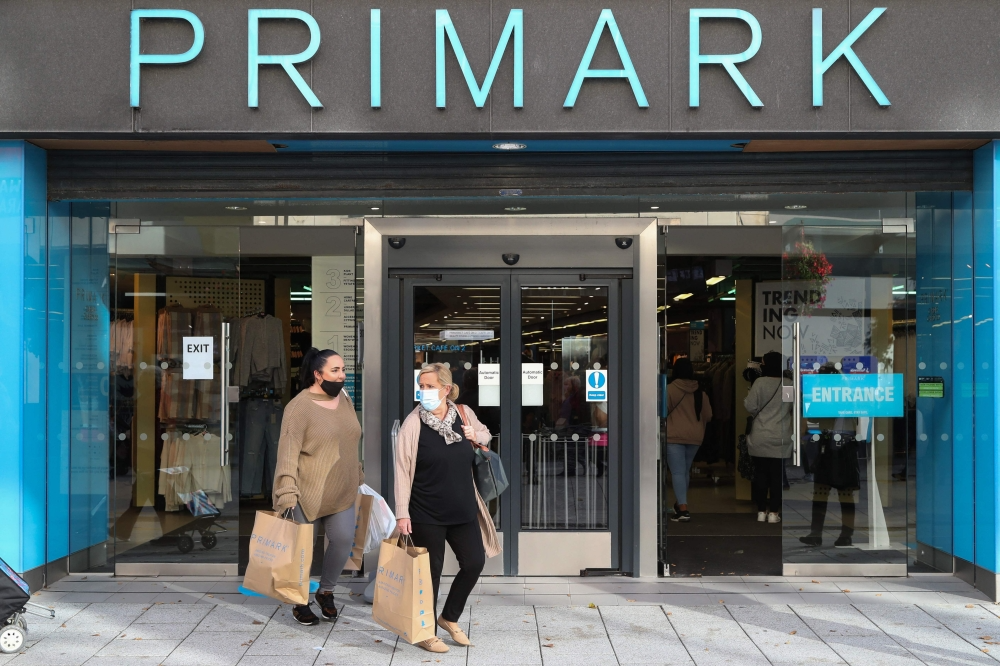
A defining shift is underway inside one of Britain’s most recognizable retail empires. On April 21, 2026, Associated British Foods confirmed plans to separate its fast fashion powerhouse Primark from its broader food operations, setting the stage for two independent companies. The decision reflects a strategic effort to unlock value, sharpen focus, and respond to a global economic climate shaped by conflict, rising costs, and shifting consumer behavior.
A Strategic Break Designed to Unlock Value
We are seeing a classic corporate pivot, one that aims to clarify identity and strengthen performance. Associated British Foods concluded after an extensive internal review that separating Primark from its food divisions offers the best path toward long term shareholder returns.
The move will create two standalone businesses, each with its own leadership, strategy, and market identity. One will focus entirely on global fashion retail through Primark, while the other will continue under the Associated British Foods name as a pure play food and ingredients company.
Executives believe this structure will allow investors to better understand each business and assign valuations that reflect their distinct growth profiles.
Two Companies, Two Different Futures
Primark has grown into a global retail force, operating hundreds of stores across multiple markets and generating billions in annual revenue. Its expansion into new regions and continued appeal among value focused shoppers position it as a high growth retail brand.
In contrast, the food division offers stability, with established brands and consistent cash flow across categories such as grocery, sugar, and agriculture. By separating these businesses, ABF aims to allow each to pursue strategies tailored to its own industry dynamics.
The demerger is expected to be completed before the end of 2027, subject to regulatory approvals and shareholder consent.
Why Now: Economic Pressure and Global Uncertainty
The timing of the decision is closely tied to broader economic forces. The ongoing conflict in the Middle East has introduced volatility into global markets, affecting energy prices, supply chains, and consumer confidence.
Retailers like Primark are particularly sensitive to these shifts. Rising costs for transport and materials, combined with cautious consumer spending, have created a more challenging environment.
At the same time, ABF’s overall financial performance has come under pressure. The company reported declines in profit and softer sales across some divisions, reinforcing the need for a clearer strategic direction.
The Impact of Geopolitical Tensions
We cannot separate this corporate decision from the global backdrop. Energy price fluctuations and supply chain disruptions linked to regional conflict have increased costs for businesses across sectors. For a company with both retail and food operations, these pressures can affect each division in different ways.
By splitting the business, ABF aims to give each entity greater flexibility to respond to these challenges. Primark can focus on managing retail dynamics, while the food business can concentrate on operational efficiency and cost control.
A Move Years in the Making
This decision did not emerge overnight. ABF initiated a strategic review of its structure in late 2025, working with advisers to evaluate options for long term value creation.
Analysts have long noted the limited synergy between a fast fashion retailer and a diversified food conglomerate. While the combination provided stability in the past, it also created complexity that could obscure the strengths of each business.
The demerger represents a response to that reality. By simplifying its structure, ABF is aligning itself with a broader trend in global business, where companies streamline operations to focus on core strengths.
Leadership and Governance After the Split
Leadership plans are already taking shape. George Weston is expected to lead the food business, while Eoin Tonge will continue as chief executive of Primark.
This continuity is intended to ensure stability during the transition. At the same time, new governance structures will be introduced to reflect the independent nature of each company.
Both entities are expected to be listed on the London Stock Exchange and could remain part of the FTSE 100, reflecting their scale and market significance.
Financial Implications and Market Reaction
The demerger is expected to involve one time costs of around £75 million, along with ongoing dis synergies estimated at less than £45 million annually.
While these costs are significant, they are viewed as necessary investments in creating two stronger, more focused businesses. Analysts suggest that the separation could lead to higher valuations for both entities, particularly if investors gain clearer insight into their performance.
Early market reactions have been mixed, reflecting both optimism about long term potential and concern about near term challenges. Shares have experienced volatility, influenced not only by the demerger news but also by broader economic uncertainty.
Investor Perspective
For shareholders, the demerger offers both opportunity and complexity. Investors will receive stakes in both companies, allowing them to benefit from the growth of Primark as well as the stability of the food business.
This dual exposure may appeal to different types of investors, from those seeking growth in retail to those prioritizing steady returns from consumer goods.
What This Means for Primark’s Future
As a standalone company, Primark will have greater freedom to pursue its global expansion strategy. The brand has already been growing its presence in Europe, the United States, and other markets, and the separation could accelerate these efforts.
At the same time, independence brings new responsibilities. Without the financial backing of a diversified parent company, Primark will need to navigate market challenges on its own, including competition from online retailers and changing consumer preferences.
Balancing Growth and Competition
The fast fashion sector is highly competitive, with new entrants and digital platforms reshaping the landscape. Primark’s strength lies in its value proposition and physical retail presence, but it will need to continue evolving to remain competitive.
We are likely to see increased investment in store expansion, supply chain efficiency, and possibly digital capabilities as the company charts its independent path.
The Food Business Steps Into the Spotlight
For the remaining ABF operations, the demerger offers an opportunity to redefine identity. As a standalone food company, it can focus more clearly on its portfolio of brands and its role in global food production.
This shift could enhance transparency and allow management to prioritize areas with the greatest potential for growth and efficiency.
A Pure Play Food Company
The transformation into a focused food business positions ABF within a different competitive landscape. It will be compared more directly with other major food producers, rather than diversified conglomerates.
This clarity may attract investors seeking exposure to the food sector, particularly those interested in stable, long term returns.
A Broader Trend in Corporate Strategy
The planned separation of Primark reflects a wider movement across global markets. Companies are increasingly choosing to simplify structures, divest non core assets, and focus on areas where they can achieve competitive advantage.
This trend is driven by both market expectations and operational realities. Investors are demanding greater transparency, while businesses seek to adapt to rapidly changing environments.
The Human Side of Corporate Change
Behind the financial analysis and strategic planning lies a more personal dimension. Employees, customers, and communities connected to these businesses will all experience the effects of this transformation.
For workers, the demerger may bring new opportunities as well as uncertainty. For customers, it may shape how brands evolve and interact with their audiences. And for the broader economy, it represents another example of how companies are adapting to a complex and unpredictable world.
A Defining Moment for ABF and Primark
The decision to spin off Primark marks a significant moment in the history of Associated British Foods. It is a move shaped by ambition, necessity, and the realities of a changing global economy.
We are watching a company redefine itself, separating two distinct identities in pursuit of clarity and growth. Whether this strategy delivers its intended results will depend on execution, market conditions, and the ability of each new entity to stand on its own.
For now, the announcement signals a clear direction. In a world marked by uncertainty, businesses are seeking focus, and in that focus, they hope to find resilience.