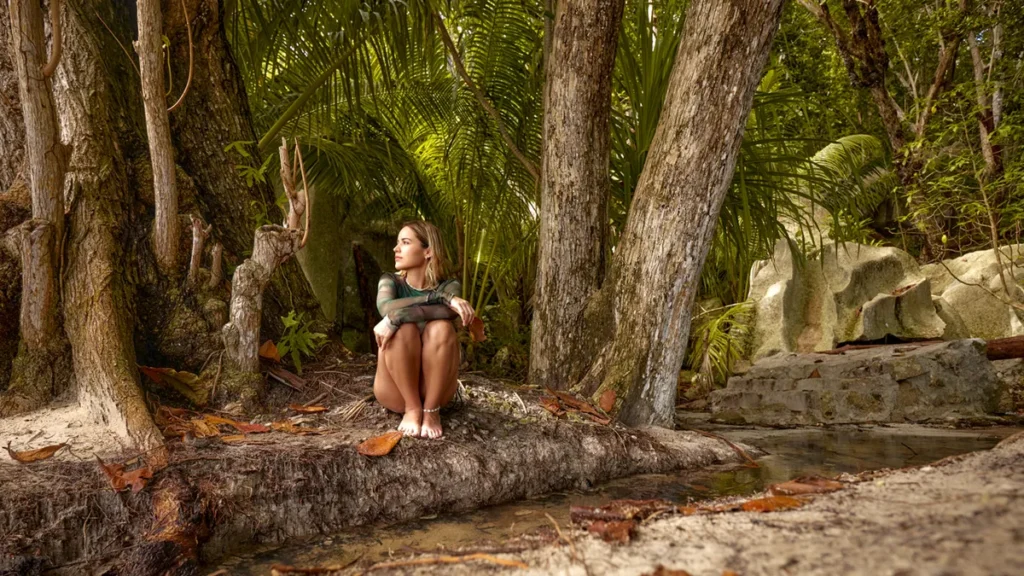
On April 21, 2026, a new global report highlights a striking shift in the wellness industry: psychedelic retreats are expanding at a rapid pace, fueled by rising demand for alternative mental health support. From rainforest lodges in South America to structured wellness centers in Europe and North America, these experiences are becoming a mainstream part of the mental health conversation. Yet alongside the growth, health experts are raising urgent concerns about safety, oversight, and inconsistent practices across the sector.
A Rapidly Expanding Global Wellness Industry
We are witnessing a moment where psychedelic retreats are moving from niche offerings into a fast growing global industry. Market data indicates the sector was valued at hundreds of millions of dollars in recent years and is projected to expand significantly through the next decade as interest in alternative therapies increases. ([turn0search3])
These retreats typically involve guided experiences using substances such as psilocybin, ayahuasca, or MDMA, often framed within structured environments that include meditation, group therapy, and integration sessions. In many cases, they are marketed as opportunities for emotional healing, trauma processing, and personal growth.
The appeal is clear. In a world where anxiety, burnout, and depression rates continue to rise, many individuals are seeking options outside traditional pharmaceutical treatment pathways.
Why Interest in Psychedelic Experiences Is Growing
The surge in demand is closely linked to broader shifts in mental health awareness. Increasing numbers of people are reporting dissatisfaction with conventional treatments, particularly when dealing with treatment resistant depression, post traumatic stress disorder, and chronic anxiety.
Recent studies and early clinical research have suggested that psychedelic assisted experiences, when properly supervised, may offer benefits in emotional processing and cognitive flexibility. Some findings even suggest associations with enhanced divergent thinking and creativity in certain users. ([academia source])
At the same time, policy changes in some countries and U.S. states have contributed to growing public interest, as legal frameworks slowly evolve to allow regulated therapeutic use in specific contexts.
The Retreat Experience: Structure Meets Intensity
Most psychedelic retreats are not informal gatherings. They are structured programs that may last several days and include preparation sessions, guided ceremonies, and post experience integration work designed to help participants process emotional and psychological effects.
Participants often describe environments that combine elements of therapy, spiritual practice, and group support. These settings can feel deeply immersive, with controlled surroundings intended to reduce external stress and encourage introspection.
However, the substances used in many retreats remain illegal under federal law in countries like the United States, although enforcement varies and some retreats operate in jurisdictions with more permissive regulations or under specific exemptions. ([turn0search15])
Safety Concerns and Lack of Standardization
Despite the rapid expansion, one issue continues to dominate expert discussion: safety variability. Research shows that safety protocols across psychedelic retreat providers differ widely, with no universal regulatory standard governing staff qualifications, screening procedures, or medical oversight. ([turn0search6])
Some retreats include trained facilitators, medical professionals, and structured psychological screening processes. Others rely heavily on self reported health histories or minimal participant vetting, raising concerns about potential risks for individuals with underlying medical or psychiatric conditions.
Experts emphasize that psychedelic experiences can be psychologically intense and, in some cases, destabilizing. Without proper screening and supervision, participants may face heightened anxiety, disorientation, or other adverse reactions during or after sessions. ([turn0search4])
Medical Experts Call for Stronger Oversight
Health professionals are increasingly calling for clearer regulatory frameworks to govern this rapidly growing sector. Their concern is not centered on the potential value of psychedelic assisted therapy itself, but on the uneven quality of retreat operations currently available worldwide.
Studies published in medical journals highlight the need for standardized best practices, including mandatory screening protocols, integration support, and clear guidelines for handling medical emergencies during retreats. ([turn0search18])
There is also growing discussion around the ethical responsibility of retreat providers, particularly when marketing experiences that claim therapeutic or healing benefits without consistent clinical oversight.
The Challenge of Balancing Innovation and Safety
We are seeing a classic tension emerge between innovation and regulation. On one hand, psychedelic therapies are being explored in clinical settings for their potential mental health benefits. On the other, commercial retreat models are expanding faster than regulatory systems can adapt.
This gap creates uncertainty for participants who must independently assess safety standards, facilitator credentials, and legal considerations before engaging in these experiences.
Legal Complexity Across Borders
The legal status of psychedelic retreats varies significantly by country and region. In some locations, such as parts of South America and Europe, retreats operate within more flexible legal environments. In others, including most of the United States, the substances involved remain classified as controlled substances at the federal level.
This creates a complex global landscape where legality, enforcement, and cultural acceptance do not always align. As a result, many participants travel internationally to access retreat experiences, further complicating oversight and accountability.
Real Stories Behind the Demand
Behind the statistics are personal motivations that drive participation. Many individuals report seeking relief from long standing emotional struggles, trauma, or burnout. Others describe curiosity about altered states of consciousness and self exploration as a form of personal development.
In structured and well run environments, some participants report meaningful emotional breakthroughs and improved psychological insight. However, outcomes are not uniform, and experiences can vary widely depending on setting, preparation, and individual mental health history.
Industry Growth Meets Ethical Responsibility
As psychedelic retreats continue to expand globally, the industry is entering a critical phase. Growth is attracting investment, media attention, and broader public interest, but it is also intensifying scrutiny from regulators, medical professionals, and policymakers.
Research suggests that without standardized safety guidelines, the risk profile of the industry remains uneven. Calls are growing for international best practice frameworks that can help ensure consistency in screening, facilitation, and post experience support. ([turn0search0])
What Comes Next for Psychedelic Retreats
The trajectory of this industry will likely depend on how quickly regulatory systems adapt to its expansion. If clinical research continues to show therapeutic benefits, more structured medical pathways may emerge, potentially integrating retreat style experiences into supervised treatment models.
At the same time, consumer demand is unlikely to slow, particularly as mental health challenges remain widespread across many populations. This creates ongoing pressure to balance accessibility with safety and scientific rigor.
For now, psychedelic retreats occupy a unique and evolving space between wellness tourism, alternative therapy, and emerging mental health science. Their future will depend on whether the industry can establish the trust, transparency, and safeguards needed to match its rapid global growth.