Global energy markets jolted on April 22, 2026, as oil prices plunged by nearly 13 percent following a major geopolitical shift. The decision by to extend a ceasefire with indefinitely, combined with the reopening of the vital , has sharply eased fears of supply disruptions. For traders, governments, and everyday consumers, the development signals a sudden recalibration of risk in a region long associated with volatility.
A Sudden Shift in Market Sentiment
We are witnessing a moment where diplomacy has directly reshaped market psychology. Only days ago, concerns over restricted oil flows through the Strait of Hormuz had pushed prices upward, with traders bracing for worst case scenarios. The waterway, responsible for transporting roughly one fifth of the world’s oil supply, has historically served as a pressure point in global energy security.
With Iran reopening the channel and committing to safe passage, that pressure has quickly dissipated. Oil futures responded almost immediately, reflecting a renewed sense of stability. This kind of swift reaction underscores how tightly global markets are tied to geopolitical developments in the Gulf region.
Why the Strait of Hormuz Matters So Much
The importance of the cannot be overstated. It serves as a narrow maritime corridor connecting major oil producers in the Middle East to global markets. Any disruption here has ripple effects across continents, influencing fuel prices, transportation costs, and inflation.
Key reasons the strait holds such weight include:
- It handles a significant portion of daily global oil shipments
- Major economies in Asia depend heavily on its uninterrupted flow
- Even minor tensions can trigger speculative price surges
The reopening signals more than just resumed traffic. It represents restored confidence in one of the world’s most critical supply routes.
Ceasefire Extension Changes the Narrative
The announcement from marks a strategic pivot. By extending the ceasefire indefinitely, Washington has signaled a willingness to prioritize stability over escalation. Tehran’s reciprocal move to reopen the strait suggests a rare alignment of interests, at least for now.
We should not overlook the broader implications. This is not merely about oil. It reflects a temporary easing of tensions between two long time adversaries. While the agreement does not resolve underlying disputes, it creates breathing room for diplomacy and reduces the immediate risk of conflict.
Impact on Global Economies
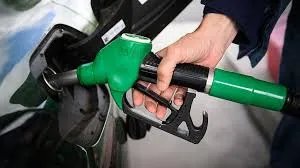
The sharp drop in oil prices carries both relief and complexity. For oil importing nations, particularly in Asia and Europe, lower prices translate into reduced energy costs and potential economic stimulus. Consumers may soon feel the effects at fuel stations, while industries reliant on transportation and logistics could see improved margins.
On the other hand, oil exporting countries face a different reality. Reduced prices can strain national budgets, especially for economies heavily dependent on petroleum revenues. This delicate balance highlights how interconnected and fragile the global energy system remains.
Short Term Benefits for Consumers
Lower oil prices often ripple through daily life in tangible ways. We expect to see:
- Decreased fuel costs for transportation
- Lower shipping expenses, potentially reducing prices of goods
- Improved airline operating conditions, which may influence ticket pricing
Challenges for Oil Producers
Countries that rely on oil exports may face fiscal pressure. Budget adjustments, spending cuts, or shifts in economic policy could follow if prices remain low for an extended period.
Market Volatility Remains a Reality
While the current development has eased immediate fears, the underlying dynamics of the region remain complex. Markets are inherently forward looking, and any sign of renewed tension could reverse the trend just as quickly.
Energy analysts often turn to institutions like the U.S. Energy Information Administration for data driven insights into supply and demand patterns. These resources help contextualize sudden shifts, but even the most robust models struggle to predict geopolitical surprises.
Diplomacy and Energy Security
The connection between diplomacy and energy markets is once again on full display. The ceasefire extension demonstrates how political decisions can stabilize or destabilize entire sectors within hours. For policymakers, the lesson is clear. Sustained dialogue can be as critical as military strategy in ensuring energy security.
International organizations such as International Energy Agency continue to emphasize the importance of cooperation in maintaining stable energy flows. The reopening of the Strait of Hormuz aligns with these broader goals, even if temporarily.
Looking Ahead
We find ourselves at a crossroads. The immediate outlook suggests calmer waters for global oil markets, yet the long term trajectory remains uncertain. Will this ceasefire evolve into a more durable agreement, or is it merely a pause in a longer cycle of tension?
For now, the numbers tell a story of relief. A 13 percent drop in oil prices is not just a statistic. It represents a shift in confidence, a moment where diplomacy has outpaced conflict. Traders, governments, and households alike will be watching closely, aware that in the world of energy, stability is often fleeting.
The reopening of the and the extended ceasefire between the United States and } offer a rare glimpse of calm in a historically turbulent region. Whether this calm endures will shape not only oil prices but the broader global economic landscape in the months ahead.