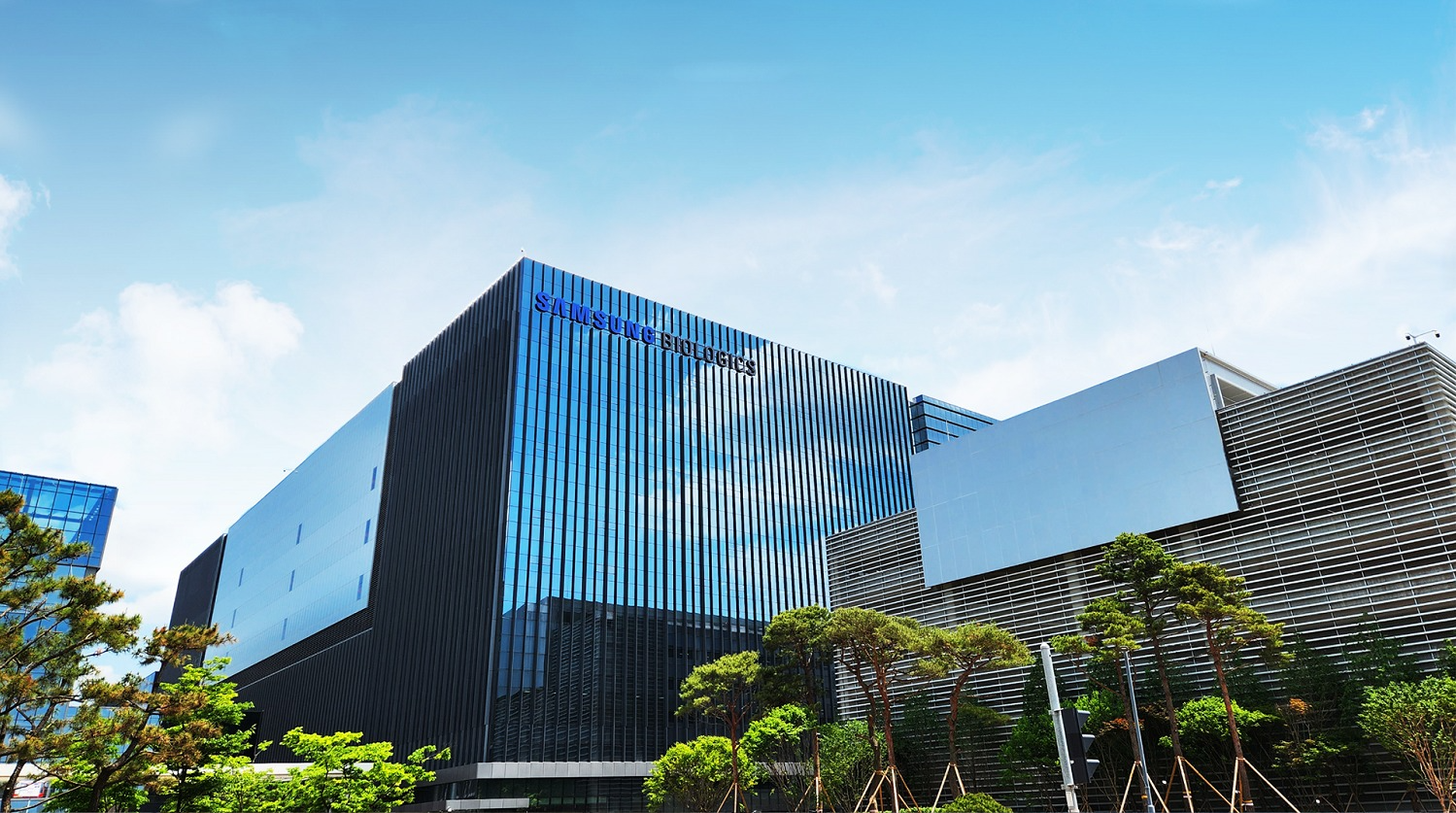
A quiet hum fills vast cleanrooms in South Korea, where scientists in crisp suits nurture biologic drugs destined for patients worldwide. Samsung Biologics announced today a staggering Q1 revenue of KRW 1,257 billion, fueled by plants running at maximum output and its bold entry into U.S. manufacturing. This milestone reflects resilience in biotech contract development and manufacturing, offering hope amid global health demands.
Record Breaking Numbers in Detail
The figures paint a picture of robust growth. Revenue soared 23 percent year over year, with operating profit climbing to KRW 289 billion. Full utilization of four plants in Incheon propelled this surge, each line churning out monoclonal antibodies, vaccines, and complex therapies without pause. We feel the weight of this achievement, knowing every vial represents lives touched.
Executives attribute success to long term contracts with major pharma clients. Demand for biosimilars and novel biologics shows no sign of slowing, especially as aging populations drive needs for treatments like cancer immunotherapies. This quarter’s performance sets a high bar, signaling Samsung Biologics’ dominance in the CDMO space.
U.S. Manufacturing Acquisition Unlocks New Potential
A pivotal move came with the acquisition of its first U.S. facility, a state of the art plant in North Carolina. This expands capacity by 180,000 liters, positioning the company to serve American clients faster and comply with local incentives. Workers there, blending Korean precision with regional grit, now integrate into Samsung’s global network.
We picture the facility’s gleaming fermenters bubbling under controlled lights, accelerating production for U.S. based drug developers. This foothold reduces shipping times and tariffs, a practical win in an era of supply chain scrutiny. Analysts forecast it adding KRW 500 billion annually once fully ramped.
Full Plant Utilization Powers the Surge
Every bioreactor in Incheon operated at 100 percent, a feat of engineering and planning. Tech upgrades, including continuous manufacturing lines, minimized downtime. Staff describe the rhythm: sensors beeping softly, robotic arms gliding with vials, air crisp with sterile focus.
This efficiency stems from strategic investments. Samsung Biologics poured resources into Process Development Centers, shaving months off drug scaling. Clients benefit from quicker market entry, vital for therapies combating rare diseases or pandemics. We admire the dedication, where late nights in labs yield breakthroughs felt in clinics worldwide.
Human Stories Behind the Biotech Boom
Meet Dr. Ji yeon Park, a lead scientist whose team optimized a key production process. “Seeing our work in hospitals, easing pain for families, makes the long hours worthwhile,” she shares. Her journey from university grad to innovator mirrors the company’s rise.
Across the ocean, U.S. plant manager Tom Reilly welcomes the merger. “Our locals pair hands on know how with Samsung’s tech savvy,” he notes. These narratives humanize the numbers, reminding us biotech thrives on passion as much as profit.
- Monoclonal antibody production up 30 percent, meeting oncology demands.
- Vaccine fill finish lines at peak, ready for global distribution.
- Biosimilar campaigns fully booked through 2027.
Strategic Moves Fueling Momentum
Beyond capacity, Samsung Biologics eyes next generation modalities like cell and gene therapies. Partnerships with firms pioneering mRNA and ADCs bolster its pipeline. The U.S. site supports these, offering regulatory expertise for FDA approvals.
Financial health shines too. A healthy balance sheet funds expansions without debt strain. Shares jumped 8 percent post announcement, reflecting investor faith. We see this as validation for a model blending scale with agility.
Global Biotech Landscape Context
Samsung Biologics stands tall amid competition. Rivals like Lonza and Catalent push boundaries, but full utilization gives it edge. Industry reports from BioSpace highlight CDMO capacity crunch, with waitlists stretching years. This positions Samsung as a go to partner.
Geopolitical shifts favor diversification. U.S. presence hedges against trade tensions, aligning with policies promoting domestic manufacturing. Patients gain from faster access to lifesaving drugs.
Challenges and Forward Outlook
No path lacks hurdles. Regulatory filings demand rigor, and talent shortages test hiring. Samsung counters with training academies and competitive pay, nurturing experts fluent in biologics nuances.
Looking ahead, Q2 guidance projects continued growth, with U.S. integration key. Executives pledge sustainability, cutting water use and emissions in plants. We applaud this balance, ensuring prosperity endures.
Economic Ripples and Workforce Impact
Revenue records create jobs. Incheon adds shifts, while North Carolina hires 500 roles from technicians to quality leads. Local economies buzz, suppliers ramp up, and communities invest in education for biotech careers.
For workers, it means stability. Long time employees like quality inspector Min ho Kim feel pride. “Our plant powers global health; that’s legacy,” he says. Empathy drives retention, with wellness programs supporting families.
Innovation at the Core
Research fuels the engine. Samsung Biologics’ Songdo campus buzzes with trials for high titer processes, boosting yields 50 percent. Collaborations with academia yield patents, securing future revenue.
We envision therapies from these labs reaching patients soon, from arthritis sufferers to those battling autoimmune disorders. This innovation cycle sustains growth.
Our Perspective on Biotech’s Bright Path
From April 22, 2026, Samsung Biologics’ Q1 triumph inspires. Full plants and U.S. expansion mark maturity in contract manufacturing services. Challenges persist, but resolve prevails.
For insights into biologics trends, check analyses from the Fierce Pharma platform. This story underscores biotech’s vital role, where science meets compassion to heal the world.