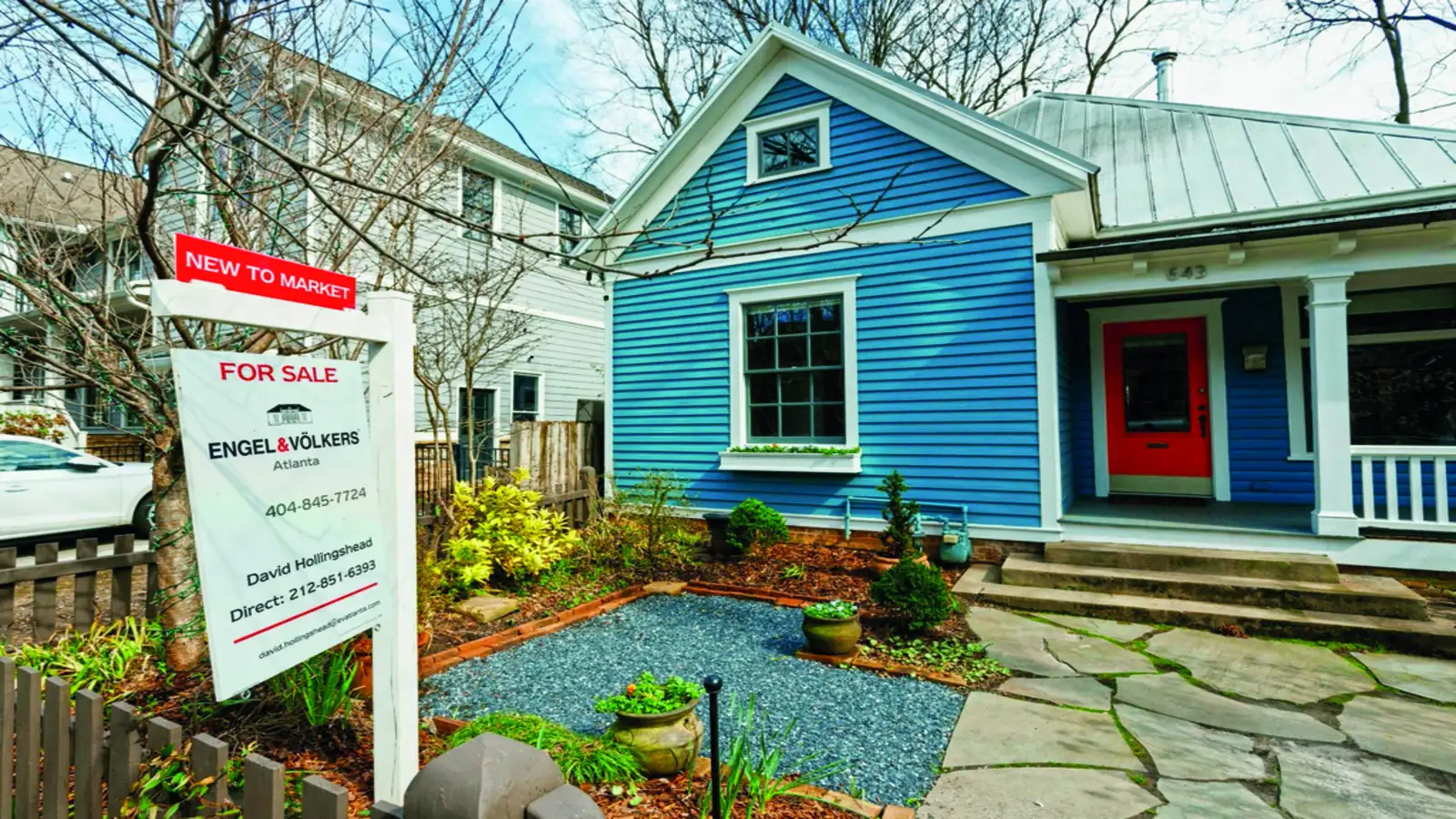
A notable shift is emerging in the United States housing market as mortgage applications for home purchases post their strongest surge since January. After months of uneven activity, the latest data signals what economists describe as a “grinding forward” recovery, driven largely by stabilizing interest rates and cautious optimism among buyers. For many households, the change feels less like a sudden rebound and more like a careful step back into a market that has tested patience and affordability.
A Market Finding Its Footing Again
We are beginning to see a pattern that suggests resilience rather than rapid growth. Mortgage application data collected by the Mortgage Bankers Association shows that borrowing activity often reacts quickly to even modest changes in interest rates. Earlier in the year, applications surged sharply when rates dipped, with weekly gains exceeding 28 percent during January volatility.
That momentum did not hold consistently through February and March, as fluctuations in borrowing costs and broader economic uncertainty weighed on demand. Yet the latest rise in purchase applications suggests that buyers are returning, encouraged by a period of relative stability in mortgage rates hovering near the six percent range.
This is not a dramatic comeback. It is a gradual re entry, shaped by necessity as much as opportunity.
The Role of Interest Rates in Driving Demand
Interest rates remain the single most powerful lever in the housing market. Over the past year, even small movements have had outsized effects on buyer behavior. When rates climbed above six and a half percent earlier this spring, activity slowed and confidence wavered.
Now, with rates settling closer to the six percent threshold, a broader pool of buyers can once again consider entering the market. Lower borrowing costs translate into more manageable monthly payments, even if home prices remain elevated.
We often think of interest rates in abstract terms, but their impact is deeply personal. A fraction of a percentage point can determine whether a family qualifies for a loan or must continue renting.
Why This Surge Feels Different
What distinguishes this recent increase in applications is its timing and context. The housing market entered 2026 under pressure, with declining sales, limited inventory, and affordability challenges weighing heavily on both buyers and sellers.
Earlier in the year, pending home sales fell unexpectedly, underscoring how fragile demand had become.
Against that backdrop, the current rise in purchase applications stands out. It suggests that despite persistent challenges, demand has not disappeared. Instead, it has been waiting for conditions to improve, even slightly.
Key Factors Behind the Recent Increase
- Stabilization of mortgage rates after periods of sharp fluctuation
- Seasonal momentum as the spring home buying season gains pace
- Gradual easing of the “lock in” effect as homeowners become more willing to sell
- Accumulated demand from buyers who delayed decisions during uncertain months
A “Grinding Forward” Recovery Takes Shape
The phrase often used by analysts, “grinding forward,” captures the current mood of the housing market. This is not a rapid rebound fueled by speculation or excess liquidity. It is a slow, deliberate process shaped by real world constraints.
We are seeing buyers return carefully, evaluating affordability and long term commitments with greater scrutiny. Lenders, too, are navigating a more cautious environment, balancing risk with opportunity.
Data from housing market indicators shows that mortgage activity continues to fluctuate week by week, reflecting how sensitive demand remains to economic signals.
This gradual pace may ultimately prove healthier than a rapid surge. It allows the market to adjust without creating new imbalances.
The Affordability Challenge Still Looms
Even as applications rise, affordability remains a central concern. Home prices have continued to climb in many regions, and monthly mortgage payments have reached record highs in recent months, placing additional strain on buyers.
For first time buyers, the barriers are particularly steep. Higher down payments, stricter lending standards, and limited inventory combine to create a challenging environment.
We cannot ignore the emotional dimension of this reality. For many families, the dream of homeownership feels both closer and more complicated at the same time.
Inventory and Supply Dynamics
Another factor shaping the recovery is housing supply. For years, the market has struggled with a shortage of available homes, driven by underbuilding and demographic shifts. While there are signs of increased listings, inventory levels remain below what economists consider balanced.
This imbalance creates a paradox. Rising demand, as reflected in mortgage applications, can push prices higher if supply does not keep pace. That, in turn, can dampen affordability and slow future demand.
The interplay between supply and demand will be critical in determining whether the current momentum can be sustained.
What This Means for Buyers and Sellers
For buyers, the recent surge in applications signals an opportunity, but also a competitive environment. Acting quickly when rates are favorable may be key, as market conditions can shift rapidly.
For sellers, the increase in demand offers encouragement. More buyers entering the market can lead to quicker sales and potentially stronger pricing, especially in areas with limited inventory.
Practical Takeaways for Market Participants
- Buyers should monitor interest rate trends closely and secure financing early
- Sellers may benefit from listing during periods of increased buyer activity
- Both sides should prepare for continued volatility in rates and demand
Broader Economic Implications
The housing market plays a central role in the broader economy. Changes in mortgage applications can signal shifts in consumer confidence, spending patterns, and financial stability.
A steady increase in home purchase activity can support industries ranging from construction to home improvement, creating ripple effects across the economy. At the same time, persistent affordability challenges highlight underlying structural issues that policymakers may need to address.
We are observing a delicate balance between recovery and constraint, where progress is possible but not guaranteed.
Looking Ahead
The recent surge in US home purchase applications offers a glimpse of cautious optimism. It suggests that the market is beginning to stabilize, even if the path forward remains uneven.
We should expect continued fluctuations as interest rates respond to inflation, economic growth, and global events. The housing market is rarely static, and its trajectory often reflects broader economic currents.
For now, the story is one of persistence. Buyers are returning, lenders are adapting, and the market is moving forward step by step. In a landscape defined by uncertainty, that steady movement may be the most meaningful signal of all.