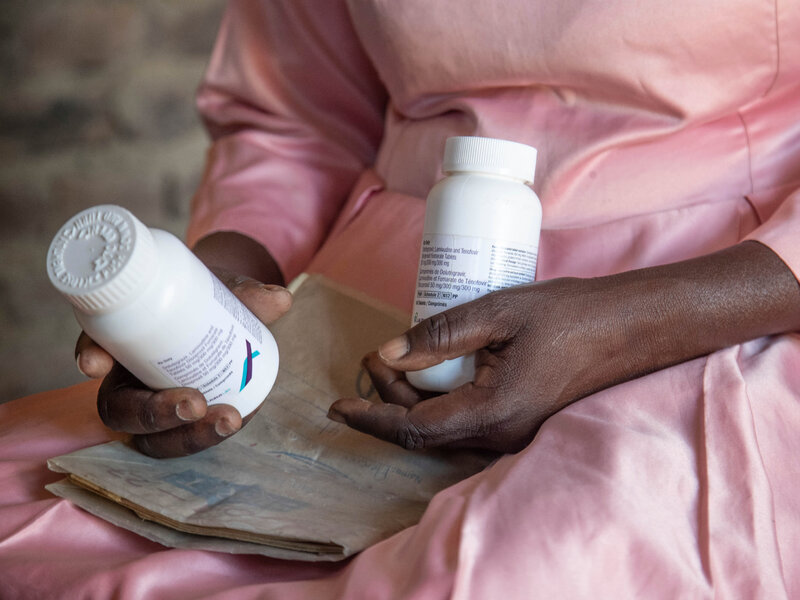
Pills rattled in empty bottles today, April 24, 2026, as freshly released PEPFAR data revealed a stark 41 percent plunge in global HIV prevention initiations, blamed on funding slashes and fraying health systems worldwide. Clinics in Johannesburg and Kampala ration PrEP doses, patients waiting anxious under tin roofs, rain pattering despair. We stand shoulder to shoulder with those vulnerable, fists clenched against reversals, yet voices raised for urgent renewal.
Data Dive and Trends
Quarterly figures show initiations falling from 2.1 million to 1.2 million year over year, sub Saharan Africa hardest hit at 55 percent drop. PrEP, the daily pill preventing infection, stalls amid stockouts. Testing volumes dip 28 percent, new diagnoses climbing 12 percent.
PEPFAR, US flagship program, warns of rebound: untreated cases seed transmissions, undoing 20 million lives saved since 2003.
Regional Breakdowns
Eastern Africa: Kenya clinics shuttered, uptake halves. Southern: South Africa urban gaps widen. Asia: Indonesia funding dries, sex workers exposed. Latin America: funding shifts neglect key pops.
Funding Cuts Culprit
US appropriations trimmed 25 percent, global donors follow suit amid debt crises. PEPFAR budget from 6 billion USD squeezed, partners like Global Fund lag pledges. Local systems thin: nurses quit low pay, supply chains snap.
Nurse Fatima in Nairobi sorts dwindling pills, fluorescent buzz overhead. “Faces haunt, choices impossible,” she confides, ledger pages filling accusations.
Human Toll Unfolding
Young women, 25 percent new infections, miss PrEP windows. Truckers, migrants resume risks unprotected. Orphans inherit loads as parents sicken.
Mama Grace, Ugandan mother, skips doses sharing with daughter. “One life or both?” tears trace dust cheeks, market bustle fading distant.
Community Voices
Activists rally: Johannesburg marches chant fund now, signs dripping rain. Youth in Lagos apps track stockouts, crowdsource donations.
Health System Strains
COVID scars linger: diverted staff, broken freezers spoil antiretrovirals. Conflicts displace clinics Sudan, Ebola echoes West Africa. Economic hits: hyperinflation Zimbabwe buys less.
Systems integration fails: TB, malaria compete, HIV sidelines. Yet models shine: Rwanda community health workers reach remote, coverage holds.
Calls for Reversal
PEPFAR urges doubled prevention, long acting injectables scale. Partners push generics, local manufacturing. Tech aids: SMS reminders boost adherence 40 percent.
- Advocate donor replenishments.
- Support community delivery.
- Demand equity in trials.
UNAIDS dashboards on UNAIDS track progress, interactive maps spotlight needs.
Success Stories Amid Crisis
Bright spots: Lesotho’s DREAMS program shields girls, initiations up 15 percent. Botswana tests door to door, positives treated swift. Innovations: cabotegravir shots monthly, uptake rising urban youth.
Volunteer Sarah in Zambia bikes pills to villages, dust caking smiles exchanged. “Hope pedaled forward,” she beams, sunset gilding horizon.
Policy and Advocacy Push
Congress lobbies restore funds; G7 summits pledge bridges. Civil society maps gaps, holds leaders accountable. Private sector: pharma discounts, foundations gap fill.
Empathy fuels: every prevented case a family spared grief, community strengthened.
Path to Recovery
Report charts rebound: reinvest now averts 500,000 deaths by 2030. Multisector blends: agriculture boosts nutrition, education empowers girls.
In clinics worldwide, hands extend pills renewed, eyes meet with promise. Crisis bites, but resolve steels, prevention’s fire rekindled one life, one dose at time.