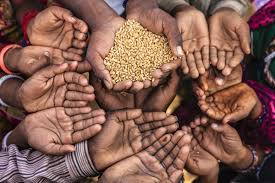
A landmark UN-backed report released on April 24, 2026, lays bare a harrowing reality: 266 million people across 58 countries grapple with acute food insecurity, with hunger entrenching as a “structural” crisis in 10 conflict-ravaged nations rather than fleeting hardship. We taste the bitter pang of empty pots in Sudanese villages, hear children’s hollow cries amid Yemeni ruins, feel the sun-baked despair of farmers tilling barren Somali soils. This annual tally from the Food Security Phase Classification partnership signals not just numbers but a human catastrophe demanding urgent, collective resolve.
The Scale of Suffering: Numbers Behind the Nightmare
The report charts a 15 percent rise from 2025, driven by unending wars, climate furies, and economic squeezes. Phase 4 acute hunger afflicts 36 million, Phase 5 catastrophe 1.9 million in Gaza, Sudan, Haiti. Structural designation hits Afghanistan, Burkina Faso, Haiti, Mali, Somalia, South Sudan, Sudan, Syria, Yemen, northern Nigeria, where conflict cycles lock poverty and starvation in vicious loops.
Faces humanize stats. In Sanaa, mother Aisha clutches her toddler, ribs stark under skin, whispering of milkless dawns. Her story, echoed millions-fold, pierces policy briefs with raw truth.
Conflict Zones: Where Hunger Takes Root
Ten nations bear “structural” scars. Sudan’s civil war displaces 10 million, destroying harvests; 25 million face crisis. Yemen’s decade-long strife leaves 17 million hungry, ports blockaded. Syria’s rubble chokes fields, 12 million reliant on aid. These arenas weaponize famine, blockades starving civilians as tactics.
Empathy swells from tales. Somali nomad Fatima treks miles for watery gruel, her herd dust after droughts. Resilience flickers; communities share scant rations, bonds forged in barren sands.
Climate and Economics: Compounding Crises
Weather whiplashes batter. El Niño floods drown Laotian rice paddies; African Sahel droughts wither crops for 30 million. Prices soar: wheat up 20 percent, maize 15 percent post-Ukraine ripples. Poor nations spend 60 percent incomes on food, hyperinflation in Lebanon, Nigeria crushing affordability.
Farmers’ voices rise. Ethiopian herder Jamal sells goats for seeds that fail, dust coating callused hands. We sense frustration turning to resolve, smallholders adapting with resilient seeds.
Spotlight Nations: Ground Zero for Hunger
Sudan tops lists with 25.6 million affected, famine confirmed in Darfur. Gaza’s 2.2 million teeter on catastrophe amid blockades. Haiti’s gangs loot convoys, 5.4 million starve. Solutions demand ceasefires, aid corridors, local sourcing.
Personal narratives grip. Gazan father Omar rations rice, eyes hollow recounting bakery queues under drones. Hope glimmers in community kitchens feeding hundreds.
Actionable Pathways Forward
- Ceasefire pacts prioritize food access in war zones.
- Climate funds scale drought-resistant crops for 100 million.
- Cash transfers empower 50 million markets over aid drops.
- Debt relief frees $20 billion for nutrition programs.
Global Responses: Steps Amid Stagnation
UN agencies mobilize. WFP appeals $23 billion, reaching 150 million last year. USAID doubles Sudan airlifts; EU funds Sahel resilience. Yet gaps yawn: funding covers 40 percent needs, logistics snag 30 percent deliveries.
Innovations inspire. Drone drops in Mali, solar mills in Haiti grind grains efficiently. Blockchain tracks aid, curbing theft. We applaud ingenuity lightening loads.
Voices from the Frontlines: Resilience Amid Ruin
Sudanese aid worker Layla bridges divides, negotiating safe passages with militias. Her exhaustion belies determination: “One meal changes everything.” Yemen’s beekeepers harvest honey for markets, sweet defiance against odds.
These heroes embody hope. Children’s laughter over shared porridge, mothers weaving futures from scraps. Empathy binds us, urging action from afar.
Root Causes Demanding Bold Fixes
Conflicts claim 65 percent acute cases; climate 20 percent; economics 15 percent. Structural hunger signals failed systems: aid dependency over self-sufficiency. Report calls integrated assaults: peacebuilding, agro reforms, social nets.
Per World Food Programme insights, $7 daily per person averts famine. Scalable wins: Rwanda’s terraces feed millions, lessons exportable.
Pathways to Plenty: Encouraging Momentum
Solutions exist. Brazil’s zero hunger blueprint halved malnutrition; Ethiopia’s productive safetynets lift 8 million. Tech aids: satellite crop forecasts, AI yield optimizers. Private sector steps up, agribusinesses pledge sustainable sourcing.
We spotlight youth. Nigerian coders app-map farms, Afghan women lead cooperatives. Their vigor promises turnarounds.
A Call to Collective Conscience
266 million souls await. Structural hunger mocks progress; yet humanity’s track record triumphs. Leaders must fund fully, citizens advocate, all share loads.
In every empty bowl lies potential; fill them with resolve. Together, we rewrite crises into abundance, one nourished life at a time.