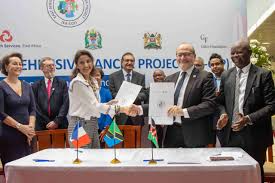
We sit with mothers in bustling Nairobi clinics, hands clasped around loved ones during scans, hope flickering amid uncertainty. WHO and Aga Khan University seal a historic pact on April 29, 2026, launching Africa’s first collaborative initiative for evidence based screening and treatment of women’s cancers, targeting breast, cervical, and beyond to save lives long overlooked.
The Pact Unveiled: A New Era Begins
Signed in Geneva, the agreement pools expertise for 10 pilot sites across East Africa, training 5,000 health workers in year one. Mobile units roam rural paths, mammograms in converted vans under acacia trees. Early detection rates aim to double within three years.
Women like Fatuma from rural Kenya share relief, journeys shortened from days to hours. This fills voids where 80 percent of cases reach late stages, survival odds slim.
Cancer’s Hidden Toll on African Women
Breast cancer claims 150,000 lives yearly continent wide; cervical tops preventable deaths sans screening. Myths delay care, rural distances deter checkups. Economic hits compound, families crumbling under costs.
Sisters gather in support circles, voices rising over herbal teas, sharing scans and scars. We feel resolve in their grips, determination cutting through pain.
Key Cancers Addressed
- Breast: Mobile imaging hubs.
- Cervical: HPV vaccine drives.
- Ovarian: Symptom awareness campaigns.
Initiative Pillars: Screening to Survivorship
Evidence based protocols from WHO guidelines train nurses in visual inspections, pap smears. Aga Khan’s labs process biopsies swiftly, results texted to phones. Treatment hubs offer chemo, radiation in solar powered facilities.
Community health workers knock doors, conversations easing stigma. “Early word saves,” they affirm, clipboards tallying consents under village mangoes.
Stories of Hope from the Ground
Aisha in Tanzania detects a lump via pilot screen, surgery catching it early. “Children see me strong,” she beams, braiding hair post recovery. Widows find sisterhood in groups, exercises rebuilding bodies and bonds.
Teen girls receive HPV shots at schools, laughter amid arm rubs, futures shielded.
Partnership Power: WHO Meets Local Expertise
Aga Khan’s networks span Kenya, Uganda, Tanzania; WHO supplies data, training. Joint research tracks outcomes, apps logging cases for real time insights. Funding from global donors scales, sustainability via national health folds.
From WHO cancer resources, protocols adapt to local contexts, affordability key.
Rollout Timeline
| Phase | Focus | Reach |
|---|---|---|
| Year 1 | Pilots/training | 500,000 women |
| Year 2 | Expansion/treatment | 2 million |
| Year 3 | National scale | 10 million |
Challenges Met with Innovation
Power outages spur solar backups; transport gaps filled by bikes, drones for samples. Cultural taboos tackled via elders, radio dramas normalizing talks. Affordability ensures free screens, subsidies for meds.
Mentorship pairs survivors with newly diagnosed, hands held through chemo chills.
Global Echoes and Calls to Action
Model eyes replication in West Africa; donors urged to match. Communities host fundraisers, raffles under stars. Policymakers integrate into universal health.
Brighter Tomorrows Dawning
We witness women rising post treatment, fields tilled with renewed vigor. This pact sows seeds of survival, families whole, lives extended. Africa’s women lead charge, health horizons expanding one screen at a time.