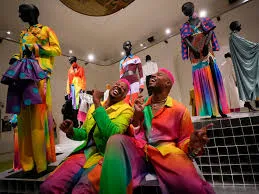
We stand transfixed in Milan’s Teatro alla Scala, runway lights casting ethereal glows on models draped in garments that pulse with life, shifting from serene blues to fiery reds as simulated stress courses through hidden biosensors, unveiled May 1, 2026. Designers fuse fabric with flesh, creating “living garments” that mirror wearers’ emotions and surroundings, the air buzzing with whispers and camera flashes. This bio digital fusion redefines style, turning clothes into empathetic companions for a world craving connection.
Runway Revelations from Top Houses
Prada led with “Symbio Silk,” threads woven with graphene sensors detecting cortisol spikes, hues calming to lavender under duress. Models strode confidently, outfits adapting to spotlights’ heat, fabrics cooling via micro vents. Gucci followed suit, debuting “Aura Weave” that blooms floral patterns in sunlight, fading in shade for urban camouflage.
Versace pushed boundaries with “Pulse Couture,” heart rate synced LED filaments creating rhythmic glows, ideal for nightlife. These pieces blend Italian craftsmanship with biotech, silk shimmering like living skin. We feel the thrill, fabrics whispering secrets of the soul.
Standout Collections and Innovations
- Prada’s stress responsive dyes using thermochromic inks.
- Gucci’s environmental chameleons with photochromic polymers.
- Versace’s biometric light shows powered by kinetic energy.
- Emerging label BioThread’s scent emitting fabrics for mood boosts.
Technology Powering the Magic
Biosensors, slimmer than threads, monitor vitals via sweat analysis and skin conductance. AI chips, powered by body heat, process data in milliseconds, triggering color shifts through electrochromic panels. Materials draw from nature: spider silk proteins for strength, lotus leaf textures for self cleaning.
Designers collaborated with labs like MIT’s Media Lab, iterating prototypes worn daily. “Clothes should feel you,” says Prada’s Miuccia Prada, her eyes alight. Sustainability shines: recycled ocean plastics form bases, cutting water use 70 percent versus traditional dyes.
Designers’ Visions and Inspirations
Raquel Zago of emerging house EkoVive drew from Milanese resilience post pandemic. “Garments that hug tighter in anxiety, like a friend’s embrace,” she explains, sketching amid fabric swatches. Empathy fuels her: pieces for neurodiverse wearers signaling overload via subtle flares.
Established names reflect broader shifts. Armani’s Giorgio Armani muses on aging gracefully, outfits brightening for low energy days. These stories humanize haute couture, fashion as therapy not just adornment. Vogue Business coverage of wearable tech trends contextualizes the leap.
From Catwalk to Closet Realities
Prices start at 2,000 euros for ready to wear, scaling to 50,000 for bespoke. Early adopters include celebrities at afterparties, outfits morphing under paparazzi lights. Production scales via 3D knitting, promising wider access by 2027.
Reactions from Attendees and Critics
Front row influencers gasped, social feeds exploding with #LivingGarments. Critics praise innovation but question longevity: “Will biosensors fade after washes?” one asks. Buyers nod approval, placing orders mid show. Street style scouts predict diffusion lines democratizing tech.
Environmentalists applaud low impact dyes, though ethical sourcing of rare earths sparks debate. We empathize with purists mourning static elegance, yet celebrate evolution.
Wellness and Practical Applications
Beyond aesthetics, health perks abound. Stress tracking integrates with apps, alerting to burnout. Athletes gain performance edges, fabrics optimizing temperature mid marathon. Parents envision kidswear signaling fevers via color cues.
In therapy, garments aid anxiety management, visuals grounding users. Corporates eye uniforms boosting morale, colors syncing to team vibes. These uses ground fantasy in utility, fashion fostering well being.
Challenges in Bio Digital Fashion
Privacy looms large: data from biosensors risks breaches. Regulations lag, with EU GDPR extensions proposed. Battery free designs mitigate, but calibration needs user input. Allergies to synthetics prompt hypoallergenic variants.
Future Trajectories for Wearable Art
Milan signals a paradigm: clothing as interface. Next seasons tease shape shifting via memory polymers, sizes adapting to weight fluctuations. Collaborations with pharma embed medication releasers for chronic conditions.
Global ripples hit New York, Paris. Affordable versions via fast fashion hybrids emerge, though luxury holds the edge. Trend forecasters at WGSN predict bio fashion dominating by 2030, 20 percent market share.
Personal Stories from the Frontlines
Model Aria Conti wore Gucci’s prototype, fabric soothing her pre runway nerves to pastel peace. “It felt alive, understanding my fears,” she confides, makeup fresh despite Milan humidity. Designer intern Luca Rossi dreams of grandma’s approval, outfits easing her arthritis chills.
These narratives pulse with heart, reminding us fashion clothes bodies and souls.
Sustainable Steps Forward
Bio digital mandates circularity: garments recyclable at end of life, sensors harvestable. Supply chains trace via blockchain, assuring ethical labor. Consumers gain: longer lasting pieces reduce waste, savings on dry cleaning.
We urge brands to prioritize inclusivity, sizes from petite to plus, skin tones all represented in color tests.
Embracing the Bio Digital Wardrobe
Milan’s living garments invite us to wear our truths boldly. As colors dance with emotions, fashion becomes mirror and muse. Attendees, what shifts intrigue you? The bio digital era dawns, threads weaving human stories anew.