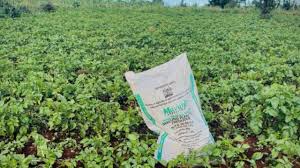
Farmers stand in parched fields from Iowa to Punjab, hands caked with soil, eyes scanning empty granaries as worry lines deepen. On May 2, 2026, Yara CEO Svein Tore Holsether sounded the alarm: war-related blockades in the Strait of Hormuz threaten nitrogen fertilizer supplies, potentially dooming 10 billion meals weekly worldwide. We taste the bitter edge of empty plates in school cafeterias, hear the quiet desperation of families rationing rice, and feel the ground tremble under a food security crisis born from distant conflict. This warning cuts deep, urging action before hunger shadows billions.
The Strait Blockade Chokes Global Food Chains
The Strait of Hormuz, that narrow artery carrying 20 percent of world oil, now strangles fertilizer flows too. Iranian mines and warships halt ammonia cargoes from Qatar and Iran, core nitrogen sources for urea and crop nutrients. Yara, the worlds largest fertilizer maker, reports 30 percent supply drops, prices doubling to $800 per ton. Holsether, voice grave in a virtual briefing, detailed models showing 15 percent yield crashes across wheat, corn, and rice belts without resupply.
Farmers feel it first. In Kansas, John Meier skips top dressing on wheat, watching pale leaves curl under spring sun. Indonesian paddies yellow without urea, harvest projections slashed 20 percent. We picture his calloused palms clutching rationed bags, sweat beading as he calculates losses feeding 500 families. Livestock feed shrinks too, meat prices looming 25 percent higher by fall. This chokehold links battlefields to breadbaskets, distant geopolitics filling empty bowls.
Nitrogen: The Invisible Backbone of Harvests
Nitrogen fertilizers underpin 50 percent of global crop yields, Habers Bosch process turning air into abundance since World War I. Urea, ammonia derived, fuels proteins in grains feeding 8 billion. Blockade slashes production: Qatars 25 million tons annual output idles, Irans plants silent. Alternatives like Russia face sanctions, US capacity maxed at 70 percent utilization.
Impacts cascade. Corn futures spike 18 percent, wheat 22 percent on Chicago Board. Governments stockpile, India bans exports, Egypt rations bread subsidies. We smell the dusty tang of silos, hear millstones grinding scarcer grains, empathize with bakers stretching dough thinner. Smallholders in Africa face 40 percent input hikes, pushing 100 million toward hunger per UN models. Yaras warning quantifies dread: 10 billion meals lost weekly equals 70 million daily, enough to feed Pakistan entirely.
| Crop | Yield Impact | Meals Lost Weekly (Billions) | Key Regions |
|---|---|---|---|
| Wheat | 18% drop | 4.2 | India, Pakistan, Ukraine |
| Corn | 22% drop | 3.5 | US, Brazil, Mexico |
| Rice | 15% drop | 2.3 | Asia, Africa |
Farmer Stories from the Frontlines
In Punjabs golden fields, Fatima Khan measures half portions, voice cracking over phone about daughters weddings funded by harvests. Brazilian soybean grower Carlos Mendes sells tractors to buy black market urea at triple cost, dust coating throat as he prays for rain. These voices humanize models, faces behind falling yields. We share their dawn patrols, mud caking boots, resolve steeling against scarcity.
Urban poor suffer echoes. Karachi markets see roti prices double, lineups snaking blocks. School feeding programs in Kenya halve portions, teachers consoling hungry pupils. Aid groups scramble, World Food Programme airlifting nutrients at 10x cost. Empathy binds us: empty lunchboxes mirror our own skipped meals magnified globally.
Supply Chains Fracture Under Pressure
Alternatives falter. Coal-based ammonia in China spikes emissions 50 percent, clashing net-zero pledges. US Gulf plants run 24/7, natural gas prices jumping 30 percent. Railcars queue endlessly, ports backlog grows. Traders reroute via Suez at double freight, small farmers priced out entirely.
Holsether urges stockpiles release, diplomatic safe passages. For fertilizer dynamics, the FAO food security portal tracks shortages real-time. Governments eye rationing, subsidies straining budgets amid oil shocks.
Potential Solutions Amid Crisis
Precision agriculture offers lifelines: drones apply nitrogen surgically, cutting needs 20 percent. Legume rotations fixate soil nitrogen naturally, reviving old wisdom. Biosolids, compost boost organics, though scaling lags. We cheer innovators blending tech with tradition, satellite imagery guiding scant applications.
- Variable rate tech saves 15-25% inputs.
- Biofertilizers gain 30% adoption pilots.
- Global stockpile releases urged immediately.
Longer term, green ammonia via wind power scales in Morocco, Australia. Yara invests $1 billion, slashing fossil reliance. Farmers adopt cover crops, soil health buffering shocks. Collective ingenuity glimmers amid gloom.
Geopolitical Roots Run Deep
Strait tensions escalated March 2026, drones downing tankers, mines claiming two vessels. Qatar, 25 percent global LNG supplier, pivots cargoes around Africa, adding months. US naval escorts protect remaining flows, yet insurance triples rates. Diplomatic freezes stall talks, sanctions bite producers.
We lament cycles where conflict sows hunger, urging ceasefires as food security imperative. Neutral mediators like Oman broker passages, glimmers of passage amid warships.
Action Steps for Resilience
Farmers: soil test religiously, split apply fertilizers, plant diverse. Governments: prioritize smallholders, invest bio alternatives, coordinate stockpiles. Consumers: cut waste 30 percent possible, support local organics. Companies: audit Scope 3 chains, advance regen ag.
The WFP hunger reports guide policy responses effectively. Unity beats this test, turning scarcity into sustainable strength.
Hope Sprouts Through Adversity
History proves resilience: post-Ukraine war, fields rebounded via innovation. 10 billion meals frame urgency, yet galvanizes action. We stand with farmers, families, leaders forging paths through barren patches. Together, we replant abundance, ensuring every table bears fruit despite storms.