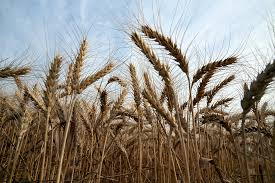
Corteva Agriscience launched its seed and biotechnology spinoff as Vylor on May 4, 2026, spotlighting hybrid wheat innovations and precise gene-editing tools to feed a growing world. We imagine golden fields swaying under Kansas sunsets, farmers wiping sweat as resilient stalks promise bountiful harvests amid droughts. This brand emerges from Corteva’s powerhouse lineup, targeting staple crops with tech that honors soil’s legacy while eyeing tomorrow’s tables.
Birth of Vylor: A Focused Powerhouse
Vylor carves out Corteva’s seed portfolio, boasting $5 billion in annual sales and 20% market share in key grains. CEO Chuck Magro hailed it as “agriculture’s next leap,” drawing from decades of R&D in Iowa labs scented with fertile earth. The spinoff streamlines focus, accelerating innovations for wheat, corn, and soy growers facing climate squeezes.
Hybrid wheat leads: varieties yielding 15% more, resisting rust and stripe diseases. Farmers like Maria Gonzalez in Argentina test plots, her callused hands tracing thicker stalks that withstand pounding rains.
Vylor’s Core Innovations
- CRISPR-based gene edits for drought tolerance.
- Hybrid wheat boosting yields 10-20%.
- Digital seed selectors via apps.
Hybrid Wheat: Game-Changer for Global Breadbaskets
Wheat lags hybrids behind corn; Vylor closes the gap with male-sterile tech ensuring robust crosses. Trials in Australia and India show 2 tons per hectare gains, vital as populations swell. We empathize with Ukrainian sowers, fields scarred by war, now eyeing seeds that thrive on less water.
Gene editing refines traits sans GM labels, easing regulatory paths in Europe. Vylor’s pipeline targets nitrogen efficiency, cutting fertilizer needs by 20%, lightening farmers’ bills and rivers’ loads.
Gene-Editing Frontier and Ethical Edges
CRISPR precision snips DNA like molecular scissors, crafting pest-resistant strains. Vylor partners with USDA biotech programs, fast-tracking approvals. Lab techs in Delaware peer through microscopes, excitement bubbling as edited cells glow viable.
Debates simmer on safety; Vylor commits transparency with field data and farmer trials. This builds trust, countering skeptics with yields feeding millions sans hunger pangs.
Farmer Impacts: Real Fields, Real Lives
In Brazil’s Mato Grosso, João Silva planted Vylor hybrids, harvesting enough to send kids to college. “Seeds that fight for us,” he says, tractor rumbling over even rows. Indian women farmers gain too, shorter stronger stems easing reaps under blazing suns.
Vylor’s app guides planting, predicting outcomes from soil scans. Community hubs train locals, empowering smallholders in Africa where yields lag.
Market Projections
Vylor eyes:
$10 billion revenue by 2030.
Expansion to 50 countries.
Partnerships with 100k farmers.
Sustainability at the Core
Climate volatility demands resilient crops; Vylor’s stacks traits for flood, heat, salinity. Biodiversity preserves heirlooms alongside hybrids. Carbon credits incentivize adoption, rewarding stewards of earth.
Supply chains tighten: proprietary coatings shield seeds from storage woes, ensuring viability in humid tropics.
Global Rollout and Competition
Launches hit North America first, then Asia’s rice-wheat rotations. Rivals like Bayer watch; Vylor’s agility from spinoff status quickens paces. Regulators in China greenlight trials, unlocking vast acreages.
Indigenous partnerships respect traditional knowledge, blending lore with lab precision for holistic gains.
Looking to Harvests Ahead
Vylor plants seeds of plenty, where tech meets toil. Farmers’ grins amid sheaves affirm promise: fuller silos, nourished families. We cheer this venture, rooting for fields that sustain us all.
As tractors till dawn, Vylor’s legacy grows, one kernel at a time.