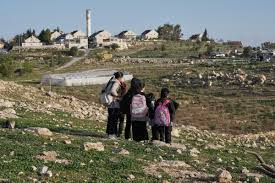
The Palestinian Ministry of Education voiced strong condemnation on May 5, 2026, after a settler stormed Silat al-Dahr Basic School, issuing threats to shut it down and blocking students from entering. This disturbing event disrupts young lives in a region already strained by conflict. We stand with the families and educators, recognizing the profound toll on education as a pillar of hope. Such actions challenge the right to learn in safety, prompting urgent calls for protection and accountability.
The Incident Unfolds at Silat al-Dahr
Silat al-Dahr Basic School serves children in a West Bank village where daily routines blend resilience with uncertainty. On this day, a settler entered the premises uninvited, shouting demands to close the facility. Teachers and students faced direct intimidation as access points became barricaded, halting classes mid-morning. Imagine the confusion in young faces, the hurried whispers among staff, the sudden halt to lessons meant to build futures. The ministry documented the breach, highlighting it as a severe violation of educational spaces.
Local reports paint a vivid scene: dust from the intruder’s vehicle settling on playground equipment, voices raised over the chatter of interrupted recess, parents rushing to gates only to find paths obstructed. This was not a fleeting disturbance. It echoed broader patterns of tension affecting schools across vulnerable areas.
Ministry’s Firm Response and Broader Context
The Ministry of Education acted swiftly, labeling the intrusion a grave infringement on Palestinian children’s learning rights. Officials demanded immediate intervention from relevant authorities to safeguard institutions. We feel the weight of their statement, which underscores education’s role amid occupation challenges. Schools like Silat al-Dahr represent stability, yet they remain targets in escalating frictions.
This event fits into ongoing struggles for secure schooling in the West Bank. Reports from organizations such as UNRWA detail repeated disruptions, from military operations to settler activities. Each incident chips away at attendance and morale, forcing families to weigh safety against opportunity.
Impact on Students and Teachers
Children at Silat al-Dahr, many from modest backgrounds, rely on school for more than academics. It offers meals, social bonds, and glimpses of normalcy. The settler’s threats sowed fear, with some pupils reluctant to return. Teachers, dedicated despite hardships, now navigate added trauma. We hear echoes of their resolve in ministry appeals, urging communities to rally around these frontlines of perseverance.
One parent’s account captures the heartache: watching a child clutch a backpack, eyes wide with apprehension, as entry is denied. Such moments linger, potentially scarring development. Yet, they also fuel determination to protect learning environments.
Historical Patterns of School Disruptions
West Bank schools have endured similar ordeals for years. Data from human rights monitors reveal dozens of closures or invasions annually, often tied to nearby settlements. Silat al-Dahr’s location near expansion zones amplifies risks. We reflect on the human cost: lost instructional days translate to skill gaps, perpetuating cycles of disadvantage.
Advocacy groups track these via detailed logs, showing spikes during tense periods. The current intrusion revives memories of past standoffs, where students studied under olive trees when buildings proved unsafe. Educators adapt with creativity, but systemic safeguards remain essential.
Calls from International Watchdogs
- Human Rights Watch urges protection for educational sites as per international law.
- UNESCO stresses schooling as a fundamental right amid conflicts.
- Local NGOs push for monitoring mechanisms at vulnerable schools.
Community Resilience and Response Efforts
Villagers in Silat al-Dahr mobilized quickly, with parents forming human chains to ensure access resumed. Community leaders coordinated with ministry officials, amplifying the story through social media. We commend this grassroots spirit, which turns adversity into solidarity. Faith in education persists, drawing families back despite fears.
Broader Palestinian networks offered support, from legal aid to psychological counseling for affected youth. These responses highlight a collective will to nurture the next generation. In conversations with locals, tones mix anger with hope, focused on sustaining classes.
Implications for Education Policy and Protection
This violation prompts scrutiny of protection protocols. The ministry seeks stronger coordination with security forces and international observers. We advocate for policies that prioritize school immunity, drawing from global precedents like protected zones in conflict areas. Enhanced surveillance and rapid response teams could deter future breaches.
For donors and policymakers, actionable steps emerge: fund resilient infrastructure, train staff in crisis management, and amplify voices through platforms like the Human Rights Watch reports on Palestinian territories. These measures address root causes while providing immediate relief.
Voices from the Ground: Stories of Steadfastness
A teacher at Silat al-Dahr shared her perspective: the intruder’s shadow across blackboards, yet lessons resuming with songs of unity. Students drew pictures of secure schools, their crayons tracing dreams unbroken. We connect deeply with these narratives, reminders that education endures through human fortitude.
Parents express mixed emotions, pride in their children’s bravery clashing with worry for tomorrow. Ministry spokespeople echo this, framing the incident as a call to global conscience. Empathy drives our coverage, honoring those who teach and learn amid turmoil.
Path Forward: Safeguarding Futures
As investigations proceed, the focus shifts to prevention. Collaborative efforts between Palestinian authorities, international bodies, and local advocates hold promise. We encourage sustained attention, recognizing that safe schools build peaceful prospects. Silat al-Dahr’s children deserve classrooms free from fear, where curiosity flourishes.
This episode, painful as it is, spotlights the urgency of defense mechanisms. Communities prepare with drills and awareness campaigns, fostering resilience. Hope glimmers in packed benches post-disruption, proof of unyielding commitment to knowledge.
We close with optimism for accountability and reform. By championing education’s sanctity, stakeholders can forge safer paths. The story of Silat al-Dahr urges action, ensuring no child faces barred doors to learning again.