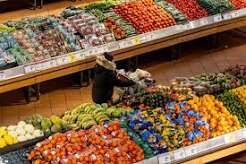
World Food Products, a fast‑growing snack manufacturer, announced on May 5, 2026, that it has expanded its use of ReposiTrak to automate food safety and regulatory compliance across its global supplier network. The move reflects a broader push in the industry to standardize documentation, close gaps in the supply chain, and protect consumers from the moment raw ingredients leave a farm until the finished product lands on store shelves. We see the quiet confidence of operators in processing plants, warehouse managers, and logistics teams who now spend less time chasing paper audits and more time focusing on quality, safety, and the people who rely on their products every day.
Why Compliance Matters in Snack Manufacturing
For a snack company, the stakes of food safety are high. A single contaminated batch of nuts, a lapse in allergen controls, or a mislabeled ingredient can trigger recalls, erode brand trust, and expose people with allergies or specific dietary needs to real risk. In an era when supply chains stretch from small farms in Latin America to distribution centers in Europe and Asia, managing paperwork, certifications, and inspection records manually becomes almost impossible. The registration, renewal, and tracking of supplier documents have long been a behind‑the‑scenes burden that quietly shapes the reliability of the food people buy.
World Food Products specializes in salty snacks, chips, and ready‑to‑eat treats sold in supermarkets, convenience stores, and online retailers. As the business scales, with more co‑packers, ingredient suppliers, and co‑manufacturers, the need for a consistent, centralized system grows sharper. The company’s decision to deepen its reliance on ReposiTrak is less about chasing headlines and more about ensuring that every bag or box that leaves their facilities has passed clear, auditable checkpoints along the way.
What ReposiTrak Does in Practice
ReposiTrak serves as a digital platform for managing supplier compliance, safety documents, and risk assessments within the food and beverage industry. At its core, it helps manufacturers and distributors standardize how suppliers submit and update their certificates of insurance, HACCP plans, food safety audits, ingredient statements, allergen declarations, and regulatory filings. Instead of relying on scattered emails, spreadsheets, or shared drives, companies can store and validate these documents in one secure environment and trigger alerts when they are about to expire or when key changes occur.
For World Food Products, expanding ReposiTrak’s role means automating routine tasks: sending reminders to suppliers to renew their certifications, flagging overdue audits, and ensuring that every new ingredient or packaging material meets the company’s internal standards and local regulations. The system can also map supplier data across geographies, helping the company respond quickly to new rules, such as labeling changes, country‑of‑origin requirements, or updated allergen guidance. The result is a more transparent, real‑time picture of the supply chain, which reduces the chance of accidents and accelerates the response if a problem does emerge.
Connecting the Dots Across a Global Network
World Food Products sources ingredients from multiple continents, including potatoes, corn, oils, nuts, and seasonings, each coming from different regulatory environments and food safety regimes. In some regions, access to formal audits and up‑to‑date documentation can be spotty. The company’s expanded use of ReposiTrak allows it to extend a common set of expectations to every supplier, regardless of location, while still respecting local nuances. A small farm cooperative in South America and a large processing plant in Europe can both submit data in the same digital format, making it easier for World Food Products’ quality and compliance teams to compare, review, and approve suppliers on a level playing field.
This standardization also benefits suppliers. Instead of filling out different forms for each customer, many can now use a single, reusable profile within the ReposiTrak ecosystem that travels across buyers. For small producers, that reduces administrative fatigue and allows them to focus more on growing, harvesting, and producing safe ingredients. In a quiet way, this shift reshapes power dynamics in the supply chain, giving smaller players a clearer path to participate in global markets while still meeting stringent safety requirements.
How This Change Feels on the Ground
On the factory floor, the shift to digital compliance tools carries a tangible, though subtle, impact. Quality managers no longer need to chase down printed audit reports or call suppliers to confirm that a certificate of analysis is still valid. The crunch time around yearly audits or seasonal ingredient changes becomes less stressful, as the system flags deadlines and incomplete submissions in advance. Team members in quality assurance, purchasing, and logistics can coordinate more smoothly, knowing that everyone is looking at the same up‑to‑date information.
For retail and food‑service partners, the benefits are largely invisible but deeply important. When a major grocery chain scans a bag of World Food Products’ chips, it does so with the unspoken expectation that rigorous checks have already taken place behind the scenes. The expanded ReposiTrak setup helps the company meet those expectations, even as consumers become more curious about traceability, allergen information, and sustainability. The snack aisle continues to feel like a normal place of choice and convenience, yet the infrastructure supporting that choice has just grown more robust.
Key Benefits of the Expanded Compliance System
- Centralized tracking of supplier food safety documentation and certifications.
- Automated alerts for expiring or missing audits, licenses, and insurance.
- Streamlined responses to regulatory changes in different markets.
- Improved transparency for buyers and retailers seeking compliant suppliers.
Aligning with Industry Trends and Standards
World Food Products’ move mirrors a broader trend in food manufacturing and retail, where digital platforms are increasingly used to harmonize compliance practices. Large retailers, food‑service operators, and distributors now expect suppliers to demonstrate not only that they follow best practices but that they can prove it with verifiable data and consistent records. The Global Food Safety Initiative (GFSI) and related frameworks encourage the use of standardized tools and digital recordkeeping, and many companies view systems like ReposiTrak as a practical way to meet those benchmarks.
At the same time, regulatory bodies in the United States and Europe continue to strengthen oversight of supply‑chain transparency, especially after incidents linked to contaminated ingredients or mislabeled products. By investing in an automated compliance platform, World Food Products positions itself to adapt more quickly to new rules, whether they involve allergen warnings, country‑of‑origin labeling, or enhanced traceability requirements. The company’s proactive approach also aligns with guidance from organizations such as the U.S. Food and Drug Administration, which emphasizes the importance of robust supplier verification and documentation for food safety.
Implications for Consumers and Retail Partners
For everyday shoppers, the direct impact of this compliance expansion may be hard to notice, yet it shapes the basic trust they place in packaged foods. The assurance that a snack manufacturer is actively monitoring its suppliers, reviewing their safety records, and responding to expiring audits or flagged risks helps protect people with allergies, specific dietary needs, or concerns about contamination. In a fast‑paced grocery environment, where decisions are made in seconds, this quiet layer of oversight can make a meaningful difference.
Retail and distribution partners also benefit. Major grocery chains, convenience store networks, and food‑service providers increasingly include digital compliance platforms in their vendor requirements. When World Food Products can show that its suppliers are integrated into ReposiTrak, complete with current documents and validated risk scores, that information can streamline onboarding, reduce the need for redundant audits, and support smoother communication during recalls or withdrawals. It can also help build confidence that the brand has a systematic way to trace ingredients back through the supply chain if a safety issue arises.
A Human‑Centered View of Food Safety
Beyond the technical details, World Food Products’ decision reflects a practical concern for the people it serves. The familiar crunch of a chip, the salty tang of a pretzel, or the comfort of a familiar snack often come with little thought about the steps that went into making them safe. Yet every compliance check, document review, and audit plays a role in protecting children, families, and older adults who may be more vulnerable to foodborne risks or allergens.
For employees at World Food Products, from sourcing managers to production staff, the expanded use of ReposiTrak adds a quiet sense of order to their work. It does not replace the importance of hands‑on inspection, training, and on‑the‑floor vigilance, but it does create a more reliable backbone for the company’s broader safety culture. The change signals a recognition that modern food safety is not just about spot checks and inspections; it is about systems, documentation, and continuous improvement that quietly run in the background while people enjoy their favorite snacks.
Looking Ahead: Scalability and Future Steps
As World Food Products continues to grow, the expanded ReposiTrak setup offers a scalable foundation for managing a more complex, global network of suppliers. The company can gradually fold in new product lines, co‑packers, and regional distributors without overhauling its entire compliance process. It can also use the platform’s reporting features to monitor trends, identify higher‑risk categories, and adjust its audit and inspection plans accordingly.
Down the road, the company may explore integrating additional layers of verification, such as supplier training records, traceability data from blockchain‑enabled systems, or sustainability metrics, if such tools align with its brand values and customer expectations. The immediate goal, however, is clear: to make food safety compliance less reactive and more routine, less paper‑heavy and more automated, so that every bag of snacks that reaches a shelf does so with a stronger, more transparent safety net behind it.