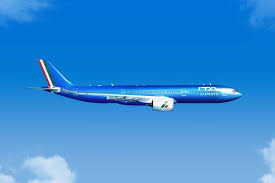
Italy’s national carrier, ITA Airways, inaugurated the first ever nonstop flight between Rome and Houston on May 5, 2026, marking a major milestone in transatlantic connectivity between southern Europe and the U.S. Gulf Coast. The new route links the Colosseum and the Vatican with NASA’s Johnson Space Center, oil‑rich energy corridors, and Houston’s sprawling multicultural neighborhoods, creating a direct thread between two very different worlds. We feel the quiet excitement of passengers boarding the aircraft in Fiumicino, carrying espresso thermoses and rolling suitcases, many of them bound for business meetings, family reunions, or new chapters in the energy and aerospace sectors.
Why Rome–Houston Makes Strategic Sense
On the surface, connecting Rome and Houston may seem like a niche pairing, but the route reflects deeper economic and cultural currents. Houston is a global hub for energy, engineering, and aerospace, with major oil and gas companies, engineering firms, and NASA’s human‑spaceflight programs headquartered in the region. At the same time, Italy’s economy relies heavily on advanced manufacturing, research, and engineering partnerships, especially in aerospace, energy efficiency, and industrial automation. By launching a direct Rome–Houston route, ITA Airways positions itself as a bridge for executives, engineers, research scientists, and project teams who move regularly between Europe and the U.S. Gulf Coast.
For Italian companies and U.S. brands, the new service also reduces friction for cross‑border collaboration. A Houston‑based energy executive can now fly from Rome early in the morning and be in meetings by early afternoon, while an Italian engineer working on a joint project with NASA’s Jet Propulsion Laboratory or a Houston‑based aerospace contractor can reach the U.S. without the usual layovers in major hubs like New York, Chicago, or Atlanta. The flight is not just a transportation link; it is a time‑saver, a productivity tool, and a quiet enabler of deeper industry ties.
Flight Details and Customer Experience
ITA Airways’ inaugural Rome–Houston service operates on a modern long‑haul aircraft, configured with business, premium economy, and economy cabins designed to support both corporate travelers and leisure passengers. The flight departs from Rome Fiumicino Airport in the evening, arriving in Houston early the following morning, a schedule that minimizes nighttime disruption for professionals and makes it easier for visiting families or students to adjust to the time change. The onboard experience emphasizes comfort, including Italian‑inspired meals, regional wine selections, and service tailored to transatlantic passengers.
For business travelers, the direct route is especially meaningful. ITA Airways has highlighted features such as improved Wi‑Fi connectivity, quiet zones, and streamlined connections to ground transportation, all designed to keep professionals productive and rested. The airline’s partnership with local Houston‑area hotels and car‑rental services also eases the transition from the tarmac to the office or conference hall. Meanwhile, Italian passengers bound for Houston—whether for meetings, trade shows, or family visits—gain a single‑stop connection that feels both familiar and convenient, with the comfort of speaking Italian to crew members and enjoying familiar hospitality touches on a long‑haul flight.
Targeting Energy and Aerospace Travelers
ITA Airways has positioned the Rome–Houston route as a strategic play for the energy and aerospace sectors, two industries where Houston is a global nerve center. The city hosts major oil and gas headquarters, international engineering firms, and large scale energy‑sector conferences, all of which attract executives from Europe, Asia, and the Middle East. An Italian energy firm, for example, may now book flights for its Houston‑based project managers without routing them through traditional transatlantic hubs, reducing travel time and easing the logistical strain on busy teams.
In aerospace, the link is equally compelling. Houston’s role in human spaceflight, satellite development, and aerospace innovation brings constant movement of engineers, contract managers, and research partners from Europe. The new route supports joint ventures, technical collaborations, and project reviews that require face‑to‑face interaction, especially as the aerospace industry becomes increasingly globalized. The direct flight also strengthens Italy’s participation in international space programs, including missions that involve NASA, the European Space Agency, and commercial partners, by making travel between European and U.S. partners smoother and more predictable.
Industry Sectors Likely to Benefit Most
- Oil and gas companies engaged in international partnerships and technology projects.
- Aerospace and defense contractors collaborating on satellite, propulsion, and crewed‑spaceflight initiatives.
- Engineering and industrial firms working on energy‑efficiency and infrastructure projects.
- Academic and research institutions involved in joint scientific studies.
Broader Implications for Transatlantic Travel
Direct Rome–Houston service fills a gap in the transatlantic network, where many U.S. gateways are already saturated with flights. For travelers who previously had to connect in other hubs, the new route offers a more efficient path and a sense of continuity between the cultures of southern European urban life and the sprawling energy‑driven metros of the American South. The flight also strengthens Italy’s position as a global travel hub, adding another strong tie between the European Union and the U.S. energy corridor.
For ITA Airways, the Rome–Houston route is part of a broader strategy to expand its presence in North America beyond the traditional East Coast gateways. The airline has already built a network of routes to major U.S. cities, but the addition of Houston reflects a more targeted approach, aligning with high‑value corridors rather than simply chasing volume. The Rome–Houston link also complements Italy’s national interest in strengthening economic and technological ties with the United States, especially in sectors where innovation and technical expertise are central to competitiveness.
Local and Cultural Connections
Beyond business, the route opens new possibilities for cultural and personal travel. Houston’s diverse, cosmopolitan population includes many Italian‑American families, second‑generation residents with roots in Naples, Rome, Milan, and smaller Italian towns. For these families, the direct flight offers a simpler way to maintain ties with relatives in Italy, whether for holidays, celebrations, or medical visits. The rhythmic sounds of Italian conversation in airport lounges, the scent of espresso in departure areas, and the warmth of Italian hospitality at check‑in counters all add a human texture to this new route.
On the Houston side, the city’s culinary scene, with its Italian restaurants, delis, and specialty grocers, often feels like a small echo of Italy’s food culture. The direct flight may deepen that connection, encouraging more Italian chefs, food producers, and cultural ambassadors to visit Houston, participate in festivals, or collaborate with local restaurants. For Italian travelers, Houston also offers a different kind of charm—wide‑open skies, barbecue culture, and a relaxed pace that contrasts with the intensity of Rome’s streets.
Challenges and Opportunities Ahead
Like any new long‑haul route, Rome–Houston faces challenges. The airline will need to maintain steady demand from the energy and aerospace sectors, even during economic downturns or industry slowdowns. Fuel prices, environmental regulations, and evolving travel patterns may all shape the route’s long‑term viability. ITA Airways will also need to balance customer service, operational reliability, and on‑time performance to build trust among business travelers, who often choose airlines based on predictability as much as on price.
At the same time, the route presents opportunities for growth beyond its initial target sectors. Houston’s growing reputation as a center for medical innovation, biological research, and education may attract additional passenger segments, from medical professionals to students and researchers. The city’s status as a major destination for international conferences and trade shows could also increase demand for direct flights from Europe, especially as companies seek to reduce travel time and simplify logistics. If the route proves successful, ITA Airways may eventually expand its frequency or add seasonal adjustments to match peaks in industry travel, conferences, and family visits.
A Human Centered View of the New Route
Behind the economic data and the technical details of the flight schedule, the Rome–Houston route is ultimately about people. It is about Italian engineers who now have fewer layovers on their way to Houston, freeing up time for family, rest, or creative problem‑solving. It is about Houston‑based energy executives who can meet with their Italian partners, discuss projects over a shared espresso, and return home without the usual jet‑lagged fatigue. It is about children born in Houston to Italian parents who can now visit nonna and nonno more easily, carrying with them photos and memories that will shape their sense of identity.
For travelers, the new route offers a quiet sense of ease—a single flight, no noisy connections, no sprinting through crowded terminals. The sounds of boarding announcements, the soft hum of the engines, and the glow of landing lights over the Gulf Coast all become part of a familiar routine. As the flight path arcs from Rome’s historic skyline to Houston’s sprawling energy infrastructure, the journey itself feels like a bridge between cultures, industries, and generations, quietly stitching the world a little more closely together.
Looking Ahead: The Future of Rome–Houston Flights
As the route settles into regular service, its long‑term impact will depend on a mix of factors: demand from industry sectors, broader economic trends, and how well ITA Airways can adapt to changing travel patterns. The airline may experiment with different cabin configurations, timing adjustments, or partnerships with local businesses to build loyalty among frequent flyers. The key will be to maintain a balance between serving high‑value business travelers and remaining accessible to families, students, and other leisure passengers.
For Italy and Houston, the new Rome–Houston service represents more than a new flight path on a map. It is a symbol of collaboration, innovation, and the quiet but powerful links that tie industries, cultures, and families across continents. The first flight on May 5, 2026, may feel like a small punctuation mark in a larger story, but for those onboard, it marks the beginning of a new chapter in how people move, work, and connect between two very different but deeply intertwined worlds.