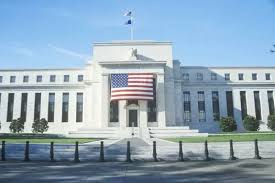
We stand at a crossroads in the global economy, where the promise of lower borrowing costs has suddenly evaporated. Major central banks, from the US Federal Reserve to the European Central Bank, have paused their plans for interest rate reductions. This shift comes as inflation reignites and markets reel from the escalating conflict involving Iran. Families budgeting for mortgages, businesses planning expansions, and investors watching their portfolios feel the weight of this decision. On May 6, 2026, these institutions signaled caution, prioritizing stability over stimulus in a world fraught with uncertainty.
The Spark That Changed Everything: Iran’s Role in Market Turmoil
The ongoing tensions in the Middle East have injected volatility into energy markets and beyond. Reports of skirmishes near key oil shipping routes have driven crude prices upward by 15 percent in the past week alone. We see this not just in headlines, but in the daily lives of commuters facing higher gas bills and manufacturers grappling with elevated production costs. Iran’s strategic position amplifies these effects, as any disruption threatens global supply chains. Central bankers, ever vigilant, recognize that such geopolitical shocks can fuel inflation faster than anticipated.
Consider the human element: a truck driver in Texas, already stretched thin by last year’s price hikes, now contemplates skipping family outings to cover fuel expenses. This conflict, entering its third month, has forced policymakers to rethink their timelines. The Bloomberg Markets data underscores the surge, with Brent crude hovering near $95 a barrel, a level that echoes painful memories from 2022.
Federal Reserve’s Pivot: A Closer Look at Jerome Powell’s Stance
Jerome Powell, chair of the US Federal Reserve, addressed the nation yesterday in a press conference that carried the gravity of a fireside chat from tougher times. “Inflation remains above our target, and recent developments demand patience,” he stated, his words resonating through trading floors and living rooms alike. The Fed, which had penciled in three rate cuts for 2026, now projects none until the second half of the year, if at all. This pause reflects core inflation readings stuck at 3.2 percent, defying earlier cooldown trends.
We feel the empathy in Powell’s tone, acknowledging the hardship for households. Yet, the data compels action. Unemployment holds steady at 4.1 percent, but wage growth outpaces productivity in sectors like services. Businesses report supply chain snarls tied to the Iran situation, pushing input costs higher. For savers, this means CDs and bonds retain their appeal a while longer, offering a silver lining amid the gloom.
Key Economic Indicators Influencing the Fed’s Decision
- Core PCE inflation: 3.2 percent year-over-year, up from 2.9 percent in March.
- Oil prices: Up 15 percent due to Middle East tensions.
- Consumer spending: Resilient but showing cracks in discretionary categories.
- GDP growth forecast: Revised down to 1.8 percent for the year.
ECB Joins the Chorus: Europe’s Delicate Balancing Act
Across the Atlantic, European Central Bank President Christine Lagarde echoed similar sentiments. The ECB, facing its own inflation beast at 2.7 percent, scrapped expectations for a June rate cut. Eurozone energy prices, heavily reliant on imports, have spiked, with natural gas futures jumping 20 percent. We sense the frustration in boardrooms from Frankfurt to Paris, where officials weigh recession risks against price stability.
Lagarde’s address painted a vivid picture: factories idling amid high energy bills, families in southern Europe rationing heat despite spring warmth. The conflict’s ripple effects exacerbate existing pressures from sluggish German manufacturing and French fiscal strains. Yet, the ECB remains committed to its 2 percent target, a north star guiding tough choices.
Ripple Effects Across Other Major Economies
This synchronized pause extends to the Bank of England, Bank of Japan, and even emerging market players like the Reserve Bank of India. The Bank of England cited sterling volatility and persistent services inflation, holding rates at 4.75 percent. In Japan, the BOJ abandoned negative rates earlier this year but now delays normalization amid yen weakness fueled by safe-haven flows away from riskier assets.
Emerging markets bear a heavier burden. Countries like Brazil and South Africa, already battling currency depreciations, see imported inflation worsen. We connect with leaders in these nations, who voice concerns over debt servicing costs in a higher-for-longer rate environment. The International Monetary Fund warns of divergent paths, with advanced economies better positioned to weather the storm.
Comparative Rate Decisions Table
| Central Bank | Current Key Rate | Previous Cut Expectation | New Outlook |
|---|---|---|---|
| US Federal Reserve | 5.25-5.50% | Three cuts in 2026 | No cuts until H2 2026 |
| European Central Bank | 3.75% | June cut | Hold through summer |
| Bank of England | 4.75% | May cut | Data-dependent pause |
| Bank of Japan | 0.25% | Gradual hikes | Delay amid volatility |
What This Means for Everyday People and Businesses
We understand the anxiety this breeds. Homeowners with adjustable-rate mortgages brace for steady or rising payments, delaying renovations or vacations. Small business owners, like a cafe proprietor in Chicago, postpone equipment upgrades, preserving cash amid uncertain sales. Credit card rates, tethered to the fed funds rate, linger above 20 percent, squeezing disposable income.
Yet, opportunities emerge. Savers enjoy yields on high-yield accounts nearing 5 percent, a boon for retirees building nests. Stock markets, while volatile, reward patience in sectors like energy and defense. Investors turn to commodities, with gold hitting record highs as a hedge against turmoil.
Empathy drives our reporting: policymakers grapple with imperfect tools in a complex world. They aim to shield us from the 1970s-style stagflation, even if it prolongs discomfort. Actionable steps include budgeting apps for households and scenario planning for firms.
Looking Ahead: Pathways to Resolution
Resolution hinges on de-escalation in Iran and cooling inflation. Diplomatic efforts, including UN-mediated talks, offer glimmers of hope. Should oil stabilize below $85, central banks might resume easing by autumn. We remain optimistic, drawing on history’s lessons: the Volcker era tamed inflation, paving the way for prosperity.
Markets reflect this tension, with the S&P 500 down 2 percent this week but off daily lows. Bond yields have ticked up, pricing in fewer cuts. For guidance, consult resources like the Federal Reserve’s projections.
In this moment, resilience defines us. Central banks’ pause, though challenging, underscores their mandate to protect purchasing power. As journalists, we commit to tracking developments, offering clarity amid chaos. The global economy endures, and so do we.