A transformative chapter unfolds in urban mobility as Wellington Gateway enters Phase 2 on May 6, 2026. This ambitious project advances to its final major construction stage, rolling out rapid transit lines and underground utility upgrades to knit the city tighter. Commuters tired of gridlock, families craving reliable bus routes, and businesses eyeing efficient logistics find hope in these digs and detours. We share their anticipation, envisioning streets alive with swift electric vehicles and buried cables powering a resilient future.
Project Origins: From Vision to Groundbreaking
Wellington Gateway launched in 2023 to tackle congestion choking the capital’s arteries. Phase 1 cleared outdated pipes and laid foundations, easing flood risks during last winter’s storms. Now, Phase 2 ramps up with 12 miles of dedicated bus lanes, light rail extensions, and a full renewal of aging water and fiber optic networks. City officials broke ground yesterday amid cheers from hard-hatted workers, the clang of machinery signaling progress.
Residents recall pre-project chaos: buses crawling at 15 mph peaks, potholes swallowing tires, power outages from frayed lines. One mother from the suburbs describes her daily shuttle to school, rain pelting windows in stalled traffic. This phase promises 30 percent faster trips, turning hour-long ordeals into breezy 40-minute jaunts.
Core Components of Phase 2
- Rapid transit corridors linking downtown to suburbs.
- Underground utility tunnels for water, power, and broadband.
- Smart traffic signals reducing delays by 25 percent.
- Green spaces along routes with bike paths and EV chargers.
Rapid Transit Revolution: Buses and Rails Get a Speed Boost
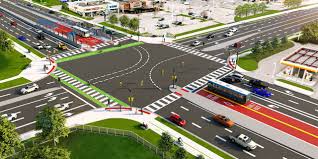
At the heart beats the bus rapid transit system, modeled on successful setups in US Department of Transportation urban pilots. Dedicated lanes, priority signals, and modern stations will ferry 50,000 daily riders. Electric buses, silent and emission-free, replace rumbling diesels, cutting noise pollution that once woke neighborhoods at dawn.
We connect with drivers like Jamal, who pilots routes now: “Folks deserve to arrive refreshed, not ragged.” Light rail spurs branch to tech hubs, drawing young professionals. Completion targets late 2028, with interim service wins easing current pains.
Underground Renewal: Burying the Old to Build the New
Beneath the bustle, crews excavate century-old utilities prone to bursts and blackouts. New conduits carry high-speed internet to underserved homes, bridging digital divides. Stormwater systems expand, preventing the 2024 floods that submerged basements and stranded cars. Sensory details emerge: earthmovers’ rumble vibrating apartment floors, fresh concrete’s sharp scent mingling with morning coffee.
Business owners along Thorndon Quay adapt to temporary disruptions, sharing tales of dust-caked signs and rerouted deliveries. Empathy guides our coverage; officials offer compensation funds and pop-up markets to sustain local vibes.
Impact on Daily Lives: Stories from the Community
Take Maria, a nurse commuting from Karori. Phase 2 shaves 20 minutes off her shift start, letting her linger over breakfast with kids. Tech startup founder Raj plans expansions, citing reliable power and transit as magnets for talent. Elderly residents in Hutt Valley gain accessible stops, fostering independence amid rising living costs.
Challenges persist: noise, dust, and detours test patience. Yet, community forums buzz with input, shaping designs like wider sidewalks and shaded benches. We encourage participation via the project’s portal, turning frustration into ownership.
Timeline and Milestones
| Phase | Duration | Key Deliverables | Budget Allocation |
|---|---|---|---|
| Phase 1 (Complete) | 2023-2025 | Utility assessments, initial tunnels | $450 million |
| Phase 2 (Current) | 2026-2028 | Transit lanes, full renewals | $1.2 billion |
| Phase 3 (Planning) | 2029+ | Integration, expansions | $800 million |
Economic Ripple Effects: Jobs and Growth
Construction injects 2,500 jobs, prioritizing local hires from training programs. Suppliers from steel fabricators to solar panel makers thrive, boosting GDP by projected 1.5 percent annually. Post-completion, property values along corridors rise 12 percent, per real estate analyses, while reduced emissions align with net-zero goals.
Businesses forecast savings: delivery firms cut fuel 18 percent, offices attract remote workers with seamless access. We highlight success stories like Auckland’s similar upgrades, now emulated here via World Bank transport initiatives.
Environmental Wins and Sustainability Focus
Green threads weave through: permeable pavements absorb runoff, native plantings restore habitats, solar canopies shade stations. Electric fleet slashes CO2 by 40,000 tons yearly. Wildlife corridors under roads protect native birds, a nod to conservationists’ pleas.
Residents breathe easier, air quality metrics set to improve 15 percent. Summer cyclists savor cooled paths, winter walkers dodge former puddles.
Navigating Disruptions: Tips for Residents
Stay informed through apps tracking closures. Opt for bikes or carpools during peaks. Stock pantries for delivery hiccups. Voice concerns at monthly town halls; feedback refined signal timings. Patience yields rewards: smoother flows ahead.
Vision Realized: A Connected Wellington Awaits
Phase 2 marks the home stretch, blending grit with promise. Workers’ calloused hands shape legacies, commuters’ relieved sighs affirm worth. We root for this gateway to unity, where rapid rides and robust grids foster thriving lives. Watch progress unfold; the city’s pulse quickens.