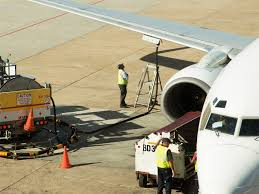
A sudden jet fuel crisis is casting a shadow over the summer travel season, with airlines across several key international routes forced to cut capacity by roughly 10% as they navigate a tightening supply of aviation fuel. The disruption, first reported on May 9, 2026, comes at one of the busiest times of the year, leaving families, business travelers, and tour operators scrambling to adjust tightly planned itineraries. At the same time, the World Travel and Tourism Council has highlighted a bright spot in the sector by confirming Saudi Arabia as the region’s fastest growing tourism market, underscoring the uneven pressures facing the global travel industry.
How the jet fuel shortage unfolded
The current shortage did not arrive gradually. Several major hubs began reporting fuel stock anomalies in early May, as refineries and logistics networks struggled to keep pace with rising demand and unexpected supply bottlenecks. Some airports saw delivery delays or restrictions on fueling, while others were asked to prioritize flights based on load factors and scheduling constraints. The effect rippled quickly through airline operations: what started as a local logistical issue soon turned into a hemisphere wide capacity squeeze.
For passengers, the experience has felt sudden and confusing. A traveler booking a flight two months ago might have seen no warning signs, only to receive a last minute email informing them of a schedule change, a route suspension, or a consolidation into a larger aircraft that offers fewer seats per departure. The disconnect between the earlier promise of normal summer travel and the current reality has left many feeling stranded, both emotionally and logistically.
What a 10% capacity cut really means
A 10% cut in capacity sounds like a manageable adjustment on paper, but in practice it can have a dramatic effect on how smoothly the air travel system functions. On popular routes between major business and leisure hubs—such as transatlantic corridors, key intra European links, and certain Asia Pacific gateways—that reduction often translates into fewer daily flights, longer waits for the next available departure, and higher fares as the remaining seats fill quickly.
For families, the impact is often felt in the small details that make or break a vacation. A couple may have planned a long sought after family trip around school holidays, only to discover that the dates they wanted are now either sold out or shifted so far forward or back that they no longer fit the children’s schedules. The anxiety of finding alternative options, rebooking hotels, and reconfirming visas or entry rules turns what should be an exciting planning process into a stressful chore.
Typical routes and travelers facing the biggest disruptions
- Transatlantic routes between North America and Europe, long the backbone of summer travel demand.
- Flights connecting major Gulf hubs to Western Europe, South Asia, and North America.
- Popular leisure destinations in the Mediterranean, the Caribbean, and Southeast Asia.
- Business travelers relying on early morning and late evening flights for same day connections.
The ripple effect on the broader travel ecosystem
Airlines are not the only businesses feeling the impact. The jet fuel crisis is also affecting hotels, tour operators, local guides, and ground transportation providers. Hotels that planned summer occupancy based on stable flight schedules suddenly face the risk that some of their guests will not arrive, or will arrive later than expected. Tour companies that tailor their services around specific arrival times may have to adjust schedules, cancel group tours, or hold staff idle during peak hours.
For workers in tourism dependent economies, the implications are personal. A driver who relies on airport pickups, a small hotel owner in a coastal town, or a local guide who depends on ticketed group tours all feel the pressure when flights are cut or shifted. The emotional dimension of this disruption is not just about convenience; it is about livelihoods and the ability to maintain a consistent income through a critical season.
Why Saudi Arabia is emerging as a standout market
Amid the uncertainty, the World Travel and Tourism Council’s confirmation that Saudi Arabia is now the fastest growing tourism market in the region offers a counterpoint of optimism. The country has invested heavily in infrastructure, visa liberalization, and cultural offerings, drawing both leisure and business visitors who are eager to explore new destinations. Events, religious tourism, and expanding luxury hospitality have all contributed to a sense of momentum.
For travelers, Saudi Arabia represents a new kind of long haul experience: one that blends modern architecture with historic landscapes, and that offers a sense of discovery at a time when many familiar routes feel crowded or overpriced. The WTTC’s data suggests that the country’s tourism growth is not a passing trend, but part of a longer term shift in global travel patterns.
How Saudi Arabia’s growth interacts with the fuel crisis
Ironically, the same fuel constraints that are forcing airlines to cut capacity on some routes may accelerate the concentration of traffic on others, including those that serve fast growing markets like Saudi Arabia. As carriers seek to maintain profitability, they may prioritize high yield routes and those with stronger government support or infrastructure partnerships. That could mean more pressure on hubs that serve the Gulf region, even as other gateways see reduced flights.
For travelers planning to visit Saudi Arabia or the surrounding region, the situation requires extra caution. Summer demand is already strong, and the capacity cuts may make it harder to find convenient departure times or flexible options in the case of delays. Booking well in advance and keeping an eye on airline announcements will be particularly important this year.
The financial and operational pressures on airlines
Behind the scenes, airlines are grappling with higher fuel costs, tighter schedules, and the need to balance customer expectations with operational realities. Jet fuel typically represents a major share of an airline’s expenses, and when supply becomes unreliable, every decision—from route selection to fleet deployment—becomes more complicated. Carriers are having to weigh the trade off between absorbing higher fuel prices, passing those costs on to passengers, or reducing service to manage the strain.
For many airlines, the 10% capacity cut is a symptom of a broader recalibration. Some are consolidating flights, using larger aircraft, or shifting frequencies to weekdays when fuel deliveries are more predictable. Others are strengthening partnerships with alternative fuel suppliers or exploring ways to optimize fuel usage through improved flight planning and weight management. The challenge is not just to get through the summer, but to do so without eroding the trust passengers have in the reliability of the network.
What travelers can do to navigate the disruptions
For anyone planning to travel this summer, the jet fuel crisis means that flexibility and contingency planning are more important than ever. The first step is to stay informed: checking airline websites and apps for schedule changes, understanding rebooking and refund policies, and being prepared to adjust travel dates or even destinations if necessary. Communicating with hotels and tour operators to confirm that changes on the air side will not invalidate ground arrangements can also help avoid cascading problems.
Travelers may also want to consider building in extra time between flights, especially on long international journeys. A single missed connection can have a domino effect when the next available flight is already heavily booked. Purchasing travel insurance that covers schedule changes, delays, and cancellations can provide a buffer against the financial impact of last minute adjustments.
The emotional toll on travelers and workers alike
Travel is not just about logistics; it is about anticipation, memory, and connection. For many, a summer trip represents a rare chance to reunite with family, celebrate a milestone, or take a break from the grind of daily life. When flights are canceled, schedules upended, or seats suddenly harder to find, it is not just convenience that is lost; it is the emotional payoff of planning and dreaming.
For those working in the travel and tourism sectors, the stress is equally real. They are the people who answer the phone calls, respond to frustrated passengers, and try to find solutions in a complex and shifting landscape. The job often requires a calm demeanor and quick problem solving, but it takes place behind the scenes, away from the excitement of the destination itself.
Long term implications for the industry and travel behavior
If the jet fuel shortage persists or recurs in future seasons, the travel industry may need to adapt in more permanent ways. Airlines may invest more in fuel efficient fleets, long term fuel supply contracts, and regional hubs that can better buffer local supply shocks. Governments may examine the resilience of refining capacity and storage infrastructure, and consider how to balance energy needs for transportation, industry, and households.
For travelers, the experience may also change behavior. The inconvenience of capacity cuts and schedule changes may encourage more people to book further in advance, choose less crowded routes, or explore alternative modes of transportation where possible. The summer of 2026 may become a turning point in how people think about air travel—not as an infinite, reliable service, but as a system that can be strained by external shocks.
A message of resilience and adaptation
The jet fuel crisis of May 2026 is a reminder that the global travel system is both powerful and vulnerable. It can move millions of people across continents with astonishing speed, but it also depends on a delicate chain of refineries, tankers, pipelines, and airport operations that can be disrupted by a range of factors. The current adjustment will be painful for some, but it may also prompt the kind of innovation and planning that makes the system more resilient in the long run.
For travelers, the moment calls for patience, information, and preparation. For airlines, governments, and tourism stakeholders, it is an opportunity to strengthen the infrastructure and policies that support safe, reliable, and sustainable travel. The summer season will not be what some had hoped for on paper, but it may also be a chapter in which the industry learns to better withstand the pressures of a more complex world.
Readers interested in global travel trends and market data can follow the World Travel and Tourism Council’s latest reports on global tourism growth and review aviation and fuel market analysis through the International Energy Agency’s oil and aviation fuel coverage.