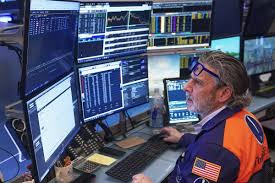
We watched the markets today with a mix of anticipation and unease, as Wall Street’s blistering rally hit a sudden wall. The S&P 500 shed 1.8 percent, closing at 5,672 points after flirting with all-time highs just last week. The Nasdaq Composite tumbled even harder, down 2.3 percent to 18,214, dragged by tech giants that had fueled the surge. Behind this retreat stood two familiar foes: oil prices rocketing past $95 a barrel and fresh inflation figures that refused to fade. For investors nursing gains from months of optimism, the shift felt like a cold splash of reality on a warm spring day.
The Oil Surge That Shook Confidence
Oil prices led the charge against equities, with West Texas Intermediate crude jumping 4.2 percent to $96.45 per barrel. Brent crude followed suit, climbing to $98.72. Tensions in the Middle East simmered hotter, as reports surfaced of disrupted shipments through the Strait of Hormuz. A drone strike on a Saudi refinery added fuel to the fire, literally, sending ripples through global supply chains. Traders whispered about potential OPEC+ production cuts, while demand held firm from rebounding economies in Asia.
This wasn’t just numbers on a screen. Picture the refinery workers in hard hats, flames licking the sky as they scrambled to contain the damage. That chaos translated to pump prices creeping up across America, from $3.89 a gallon in Texas to $4.67 in California. Families planning summer road trips felt the pinch first, recalculating budgets over kitchen tables. For the broader market, higher energy costs meant squeezed corporate margins, especially for airlines and manufacturers already grappling with supply snarls.
Sticky Inflation Data Fuels Rate Hike Fears
Compounding the oil shock came the April Consumer Price Index, which clocked in at 3.4 percent year-over-year, above the Federal Reserve’s 2 percent target and hotter than the 3.2 percent economists polled by Bloomberg had expected. Core CPI, stripping out food and energy, rose 3.6 percent, signaling persistent pressures in services and housing.
The data painted a picture of an economy too robust for comfort. Shelter costs, which make up a third of the index, climbed 5.1 percent, reflecting a rental market still tight in cities like New York and Chicago. Used car prices ticked up too, as inventory shortages lingered from pandemic-era disruptions. We felt the empathy for everyday Americans here: the young couple eyeing their first home, only to face mortgage rates hovering near 7 percent, or the retiree watching grocery bills erode fixed incomes.
Fed Chair Jerome Powell’s recent comments echoed in trading floors. He had warned of “upside risks to inflation,” hinting at fewer rate cuts this year. Bond yields reacted swiftly, with the 10-year Treasury note climbing to 4.52 percent. That move hammered growth stocks, where future earnings look less shiny under higher borrowing costs.
Major Indexes and Sector Breakdown
The Dow Jones Industrial Average fared slightly better, dipping 1.2 percent to 40,118, buoyed by defensive plays like Procter & Gamble and Johnson & Johnson. But tech bore the brunt. Apple slipped 2.8 percent amid iPhone production worries tied to energy costs. Nvidia, the AI darling, dropped 3.5 percent as investors questioned lofty valuations.
Energy stocks bucked the trend, with ExxonMobil surging 5.1 percent and Chevron up 4.7 percent. They became the day’s safe havens, rewarding those who bet on commodities over code. Financials held steady, as banks like JPMorgan Chase eyed wider net interest margins from rising rates.
- S&P 500: -1.8% (5,672)
- Nasdaq: -2.3% (18,214)
- Dow: -1.2% (40,118)
- 10-year Treasury yield: +0.14% (4.52%)
- WTI Crude: +4.2% ($96.45)
Broader Market Ripples and Investor Sentiment
Volatility returned with a vengeance. The VIX, Wall Street’s fear gauge, spiked 22 percent to 19.8, levels not seen since early April. Options traders piled into puts, bracing for more turbulence. Retail investors, empowered by apps like Robinhood, showed resilience; trading volume hit 12 billion shares, many rotating into value stocks.
We sense the human element in these swings. Longtime traders recall 2022’s bear market, when inflation first clawed at portfolios. Yet optimism lingers. Corporate earnings season kicks off this week, with banks reporting tomorrow. Strong results could stem the bleeding, reminding us that beneath the headlines lies a U.S. economy with 2.7 percent GDP growth and unemployment at 3.9 percent.
Globally, Europe’s Stoxx 600 fell 1.1 percent, hit by energy importers like Germany. Asia mixed, with Japan’s Nikkei down 0.8 percent but China’s Shanghai Composite flat on stimulus hopes. The dollar strengthened 0.5 percent against a basket of currencies, pressuring emerging markets.
What Drove the Record Rally to Pause
Context matters. The S&P 500 had roared 24 percent higher since January, powered by AI hype, cooling job data, and three Fed rate cuts late last year. We celebrated those wins: portfolios swelling, 401(k)s padding toward retirement dreams. But cracks appeared. Overbought conditions, with the index 15 percent above its 200-day moving average, screamed for a breather.
Geopolitical tensions amplified the pullback. Beyond oil, U.S.-China trade frictions resurfaced, with tariffs on semiconductors looming. Investors eyed the White House, wondering if election-year policies might prioritize domestic energy over global stability.
Expert Voices Weigh In
Art Hogan of National Securities called it “healthy consolidation.” “Markets needed to digest gains,” he told us. BMO’s Brian Belski urged focus on fundamentals: “Earnings growth projects to 12 percent for the year. This dip buys quality at better prices.”
Yet caution prevails. Goldman Sachs trimmed its S&P target to 5,900 from 6,100, citing inflation risks. We appreciate their candor, helping readers navigate without false promises.
Looking Ahead: Opportunities Amid Uncertainty
Tomorrow brings bank earnings from JPMorgan, Wells Fargo, and Citigroup. Watch net interest income and loan loss provisions for recession clues. Fed speakers, including Vice Chair Philip Jefferson, speak midweek, potentially clarifying the rate path.
For everyday investors, this moment tests discipline. Diversify beyond megacaps; consider dividend payers like utilities, up 0.5 percent today. Long-term, innovation endures. AI adoption marches on, with data centers demanding more power, ironically boosting energy demand.
We stand with you in this volatility. Markets rise and fall, but patient capital wins. History shows pullbacks like today’s precede stronger climbs. As oil stabilizes and inflation eases, the rally may resume, rewarding those who stay the course.