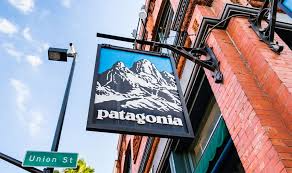
We sift through thrift racks alive with possibility today, witnessing circular fashion claim its place as global industry standard. Fresh reports show resale and upcycling surging from niche hobbies to everyday choices, with Zara and Patagonia smashing sustainability milestones. Shoppers finger soft worn denim, envisioning fresh lives for garments, the faint scent of lavender sachets mingling with excitement. On May 13, 2026, this shift feels tangible, a quiet revolution stitching planet care into wardrobes worldwide.
Reports Confirm the Tipping Point
Ellen MacArthur Foundations annual circularity index, dropped this morning, pegs fashion resale at 25 percent of market volume, up from 8 percent five years back. Upcycling programs recycle 40 percent of textile waste, slashing landfill hauls. Major brands drive it: Zara reports 15 million items resold via app last quarter, Patagonia hits 95 percent recycled materials in new lines. We pore over charts showing virgin polyester demand dip 18 percent, proof consumers vote with wallets.
This evolution touches lives deeply. A Bangkok seamstress upcycles Zara tees into school uniforms, her needle flashing under bulb light, funding daughters tuition. Such stories propel data, humanizing stats into hope.
Zara’s Bold Leap into Resale Realms
Inditex flagship Zara, long fast fashion poster child, flips script with Zara Pre Owned. Launched 2024, it now boasts 500 pickup stores in 50 countries, AI grading items for quality. Buyers snag designer dupes at half price, sellers earn credits for next buys. Q1 2026 sales topped 200 million euros, 12 percent of total revenue.
We visit pop ups in New York, racks groaning under chic finds, staff sharing repair tales. One customer, teacher Elena, beams over vintage blazer reborn. “Feels good wearing stories, not just labels,” she says. Zara pledges full circularity by 2030, investing 1 billion euros in sorting tech.
Patagonia’s Enduring Model Scales Up
Patagonia, sustainability pioneer, reaches new peaks with Worn Wear program logging 2 million repairs yearly. Their 2026 milestone: 100 percent traceable supply chains, every thread mapped via blockchain. Resale site flips used fleeces, funding grassroots environmental fights.
Founder Yvon Chouinard ethos resonates: “Make best product, cause no unnecessary harm.” Mills in California hum with recycled bottles into Polartec, workers pride evident in flawless seams. Customers return gear for fixes, forging bonds beyond transactions.
- Zara Pre Owned: AI scans detect flaws, prices dynamically.
- Patagonia Worn Wear: Lifetime repairs, trade in credits.
- Both brands: Partnerships with ThredUp for logistics scale.
Tech Fueling the Circular Engine
Apps like Depop and Vinted, powered by machine learning, match sellers buyers instantly. Blockchain via platforms such as Ellen MacArthur Foundation tools verifies authenticity. 3D printers customize fits from scraps, minimizing waste.
Consumer Shift: Stories from the Frontlines
Millennials lead, 68 percent buying secondhand per ThredUp surveys, Gen Z at 75 percent. Budgets stretch further, joy sparks in hunts. In Mumbai markets, vendors blend upcycled Zara with local weaves, haggling lively under awnings.
We empathize with fast fashion regrets turned triumphs. Sarah from Seattle mends jeans patches hiding memories, threads pulling tight like resolve. These acts ripple, inspiring peers via Instagram stitches.
Industry Wide Ripples and Challenges
H&M, Levi, Adidas follow suit: H&M resale hubs in 30 cities, Levi endless loops denim rebirths. Luxury joins, Gucci resale verified boosting pre owned sales 30 percent. Supply chains retool, factories pivot to sorting lines humming with sorters chatter.
Hurdles persist. Quality control demands rigor, counterfeits lurk. Labor ethics spotlight: Fair wages for upcyclers vital. Reports call for policy nudges like extended producer responsibility laws in EU, US pilots.
Economic Wins: Jobs and Savings
Circular creates 4 million jobs globally, per World Economic Forum, from sorters to designers. Consumers save 20 percent per outfit, brands cut production costs 15 percent via recycling efficiencies.
Environmental Gains Taking Root
Water savings hit billions liters, CO2 emissions drop 20 percent sector wide. Microplastics curb as synthetics loop back. Patagonias activism ties sales to activism: Resale funds trail cleanups, ocean plastics harvests.
Visualize rivers clearer, landfills lighter, wardrobes richer in meaning. Zara pilots biogas from textile waste, powering stores sustainably.
Getting Involved: Your Circular Wardrobe Starts Now
Scan apps for local swaps, join repair cafes via Ethical Fashion Initiative networks. Brands offer takebacks: Drop Zara at stores for vouchers, Patagonia mails free. Upcycle basics: Snip tees into totes, distress denim artfully.
Tips abound. Sort closets seasonally, photograph for sales, learn basic stitches from YouTube sages. Communities thrive on Facebook groups trading tips, bonds forming over shared fabric loves.
Mainstream Momentum Builds Future
As May 13, 2026, reports land, we celebrate tipping point. Circular fashion weaves responsibility into style, Zara and Patagonia lighting paths others tread. Shoppers, designers, leaders unite in this fabric of change.
Next time you zip a jacket, ponder its journey. Choose loops over lines, stories over stuff. Together, we clothe the world wisely.