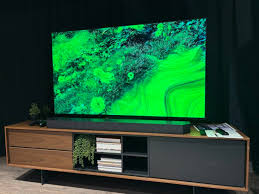
At the Australian Tech Summit 2026 I watched Samsung introduce a suite of displays that promise to change how living rooms and creative studios feel and function. The company presented new Micro RGB panels and refreshed OLED models that run what Samsung calls Micro RGB AI Engine Pro to adjust color tone and contrast in real time. The reveal offered a rare moment where hardware, software and perceptual science converged on everyday viewing experiences.
What Samsung showed on stage
The demonstration combined cinema clips gaming footage and live camera feeds to illustrate how the Micro RGB AI Engine Pro refines images frame by frame. Rather than applying a single global correction the system analyzes scenes for subject matter texture depth and ambient light then makes localized adjustments to saturation luminance and contrast mapping. Observing the screens from the front row I noticed an immediate change in perceived depth and texture that did not read as artificial tuning but as more precise reproduction.
Technical highlights in plain language
At its core Micro RGB is an array design that increases per pixel color control by arranging red green and blue sub elements tightly and pairing them with per region driving electronics. When combining that hardware with an on device AI engine the result is faster, more granular decisions about color balance and local contrast. For consumers that translates into truer skin tones richer shadow detail and crisper highlights during bright outdoor scenes or dimly lit interiors.
How the AI engine works and why it matters
Samsung explained that Micro RGB AI Engine Pro uses neural networks trained on millions of reference images to predict how a human eye prefers a scene to look under different viewing contexts. The model runs on a dedicated chip in the display so adjustments happen with minimal latency. That matters for gaming and live sports where milliseconds separate fluid motion from judder. It also matters for filmmakers and photographers who rely on consistent color presentation across devices.
Real world benefits and caveats
The immediate benefit is an out of the box picture that requires less user calibration while maintaining flexibility for professional workflows. For casual viewers the experience will feel richer and more natural. For pros the displays offer modes that respect industry color spaces and let users disable the AI pipeline for strict color grading. Samsung acknowledged limitations including possible edge cases where the AI may overcorrect and the need for ongoing firmware updates to handle new content types.
Design, form factor and user features
Physically the Micro RGB models feature slim bezels lightweight frames and improved anti glare coatings that cut reflections without washing out the picture. The OLED variants retained deep blacks and infinite contrast while gaining the AI engine and improved thermal management for longer lifetime under heavy use. Samsung also expanded accessibility controls with on device presets for low vision users and automatic ambient adjustments based on room sensors and a companion app.
Connectivity and smart home integration
Samsung emphasized interoperability with common smart home platforms to allow the displays to act as hubs for media and device control. Input options include updated HDMI ports that support high frame rates and variable refresh alongside low latency modes tailored for competitive gaming. The company also noted partnerships with streaming services to optimize HDR metadata paths and to enable per title tuning where content providers supply scene reference data to further refine display output.
Market implications and who benefits
Manufacturers of panels and components may face pressure to adopt similar AI assisted processing to remain competitive. Content creators stand to gain because viewers will more often see intended color and contrast without manual calibration. Consumers will see an elevated baseline for television and monitor performance but should weigh price points and their own preferences for natural versus processed looks.
- Home users will appreciate easier picture setup and better daytime viewing in bright rooms.
- Gamers will value lower latency modes and dynamic tone mapping that preserves detail in fast scenes.
- Professionals should validate calibration targets in pro modes before committing to these displays for color critical work.
Privacy performance and repairability concerns
Any device that incorporates on device machine learning invites questions about data handling. Samsung stated that the Micro RGB AI Engine Pro processes images locally on the display and that no raw user content is uploaded for model training without explicit permission. Repair advocates will note that increased integration of chips and sensors can complicate third party repair and parts replacement. Samsung responded by outlining certified service channels and extended warranty options in selected markets.
What to watch next
Availability and pricing will determine the technology reach. Early shipments in Australia and selected Asian and European markets were announced for the third quarter of 2026 with broader rollouts slated to follow. Observers should watch firmware updates for perceptual improvements latency benchmarks for gaming and independent colorimeter testing to confirm Samsung performance claims. Trade publications and testing labs such as RTINGS and industry bodies like the UHD Alliance will likely publish head to head comparisons.
Where to read more
For technical background on OLED and advanced panel layouts the International Display Technology community offers deeper white papers and comparisons. Samsung maintains a product page with specifications and developer materials that detail the Micro RGB architecture and software platform. You can read more about display performance testing at the UHD Alliance website and consult independent reviews once review units arrive in the field.
The Micro RGB and OLED lineup signals that displays are becoming computational objects as much as optical ones. If Samsung delivers stable firmware robust developer support and transparent privacy controls these screens could make everyday viewing feel more immediate and faithful to creators intent. For now the best next step for interested buyers is to wait for independent lab scores and to test units in person to judge whether the AI driven presentation matches personal taste and professional needs.
Do you want a comparison of Samsung models with similar offerings from other manufacturers or a quick checklist to evaluate a display in store