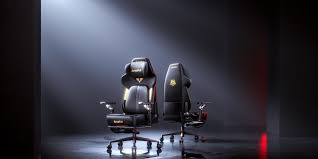
We followed the announcement on May 15 2026 that AutoFull will supply ergonomic gaming chairs for the ESL Pro Tour and Intel Extreme Masters across the 2026 and 2027 seasons and found a deal that speaks to both athlete welfare and the growing professionalization of esports. The partnership places a hardware maker at the center of elite competition where minutes of play and the fine motor skills of players matter as much as strategy and reflexes. For competitors, broadcasters and event organizers the move signals renewed attention to player health performance and the production values of global tournaments.
Why chair choice matters in elite esports
At first glance a chair may seem secondary to a top tier mouse or monitor yet ergonomic seating directly affects posture comfort micro recovery and sustained focus during long matches. Professional players routinely face marathon sessions during tournament weeks where fatigue, neck strain and lower back pain can degrade reaction time and decision making. AutoFull s role is therefore not merely cosmetic but practical: supplying structured lumbar support adjustable ergonomics and durable materials that can hold up under continuous intensive use.
Player wellbeing and performance
We spoke with trainers and performance coaches who emphasized that proper seating reduces cumulative strain and supports quicker recovery between rounds. For teams that prepare players with regimented warm ups, nutrition and sleep protocols, seating becomes another controllable variable in the performance stack. In this sense, the partnership aligns hardware provision with sports science approaches increasingly common in elite esports programs.
What AutoFull will supply and how it will be used
AutoFull will provide tournament grade chairs to player areas broadcast booths and backstage practice rooms across multiple venues, ensuring consistency from qualifiers to finals. The supplied models include features such as multi axis adjustability breathable upholstery and reinforced frames designed for high frequency use. AutoFull will also set up on site maintenance teams to handle quick repairs and hygiene routines between matches so players face minimal distractions from equipment issues.
Integration with event operations
Event organizers said consistent seating reduces setup variability and simplifies stage ergonomics for tournament production. Standardized player peripherals make camera framing and stage design more predictable for broadcast teams. AutoFull technicians will coordinate with ESL production staff to ensure chairs meet safety and aesthetic guidelines while complying with venue requirements for fixture anchoring and cable management.
Broadcast and brand visibility considerations
The partnership includes visible branding opportunities across stage setups player areas and broadcast overlays. For AutoFull, association with marquee events such as Intel Extreme Masters offers recognition among core gaming audiences and enterprise buyers alike. For ESL and Intel Extreme Masters the deal secures a high quality equipment partner and adds to the visual polish of productions witnessed by millions of concurrent viewers online and in arena audiences.
Sponsorship balance and player autonomy
Organizers stressed that while branding will be prominent in venue spaces, teams will retain autonomy over personal chair adjustments and small customizations within agreed safety parameters. That balance matters because players value personalization of their setup while event fairness calls for uniform baseline equipment across competitors.
Wider implications for esports infrastructure
As esports continues to professionalize, infrastructure partners like AutoFull play a role in maturing the industry. Reliable, standardized equipment reduces the risk of match interruptions and supports player health programs that can lengthen professional careers. Beyond seating, we are seeing increased investment in practice facilities, medical staff and performance analytics that mirror traditional sports ecosystems.
Supply chain and logistics challenges
Supplying multiple seasons of global events involves complex logistics including inventory staging international shipping customs compliance and rapid on site turnover between events. AutoFull s experience in high volume manufacturing and its existing distribution channels were cited as reasons organizers selected the company. Both parties will track supply chain performance and build redundancies to avoid equipment shortfalls during peak event windows.
What players and teams can expect
Players should expect access to high quality seating at events and improved on site support for chair maintenance and hygiene. Teams that operate bootcamps and training houses may find advantages in standardization, enabling closer simulation of tournament conditions during rehearsal. Coaches and sports scientists can work with consistent ergonomic baselines when designing recovery and performance protocols.
Feedback loops and customization
AutoFull and organizers plan to run feedback sessions with players to fine tune chair setups and to identify areas for product iteration. That player centered approach could produce models tailored to esports needs over time and inform consumer product lines geared toward competitive gamers seeking tournament grade ergonomics at home.
Health, safety and regulatory considerations
Long term health concerns related to sedentary behavior and repetitive strain are part of the conversation. Event organizers reiterated commitments to scheduled breaks enforced warm up protocols and access to physiotherapy and occupational health staff during events. Aligning ergonomic equipment with behavioral health measures reduces the chance that seating alone will be framed as a cure for deeper occupational health issues faced by professional players.
Research and evidence based design
AutoFull said it will collaborate with academic partners and sports science consultants to collect usage data and to evaluate chair performance under tournament conditions. Objective measures such as sitting time, posture variability and incidence of discomfort will inform iterative design improvements and support evidence based claims about ergonomic benefits for esports athletes.
Economic and market impact for AutoFull
The partnership bolsters AutoFull s position in the competitive gaming furniture market and may open institutional sales channels to leagues, esports organizations and educational programs with varsity gaming teams. Visibility at flagship events tends to lift brand trust among consumers and industry buyers who equate tournament grade equipment with professional credibility.
Community reception and consumer expectations
Many fans welcomed the deal on social platforms praising a focus on player comfort while some raised concerns about excessive branding in broadcasts. Consumers now expect tournament quality products to be available at accessible price points and AutoFull will need to balance premium materials with mass market affordability if it hopes to convert event exposure into sustainable consumer demand.
What to watch during the 2026 and 2027 seasons
Observers should watch player feedback about chair comfort and any measurable declines in equipment related match interruptions. Broadcast production teams will reveal how seating standardization affects camera layouts and stage design. Industry analysts will track whether similar partnerships emerge between hardware manufacturers and other leagues as esports continues to consolidate professional standards.
Where to follow updates
Fans can follow ESL and Intel Extreme Masters channels for rollout details and match day setup notes and can monitor AutoFull s official communications for product announcements tied to the partnership. Independent esports trade publications and health research groups may publish early assessments of the partnership s impact on player welfare and operational reliability.
The AutoFull agreement is a pragmatic move that places player comfort and event reliability at the forefront of elite esports production. If implemented thoughtfully with clear player input and robust safety measures, the partnership could set a new baseline for how tournament infrastructure supports athlete health and broadcast quality as esports matures into a mainstream global sport.