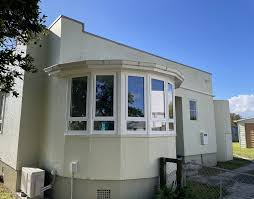
On May 16, 2026 neighborhoods from small towns to dense urban precincts rolled out coordinated maintenance and retrofit efforts aimed at improving structural safety accessibility and long term livability. Local initiatives such as Richton Park Home Improvement Day joined larger institutional programmes including the Housing Development Board Home Improvement Programme as municipalities and housing agencies began painting repairing rewiring and adapting homes so residents can age in place with dignity. The activity mixed hands on volunteer labor with professional trades and policy planning creating a human centred push to address deferred maintenance and improve quality of life.
What unfolded at community events
At neighborhood hubs volunteers and municipal crews moved through a familiar choreography. Ladders clattered, the smell of fresh paint hung in the air and electricians checked switches and replaced outdated wiring. Volunteers swept porches and fixed leaky faucets while occupational therapists advised on grab bar placements and threshold ramps that reduce fall risk. For many residents the day brought practical relief and a sense that their living environment mattered to local government and neighbors alike.
Richton Park Home Improvement Day in focus
Richton Park staged its event to offer targeted assistance for low income seniors and families with urgent housing needs. Organizers compiled lists of priority repairs and matched skilled volunteers to tasks that ranged from minor carpentry to replacing malfunctioning smoke detectors. The event also hosted informational booths where residents learned about funding options tenant rights and how to apply for larger scale municipal upgrades. For older residents who attended the visible impact was immediate and emotional: a repaired step a working light fixture and a practical conversation about future support.
Large scale programmes and systemic upgrades
Beyond one day events governments initiated more sustained interventions. Singapore’s Housing Development Board Home Improvement Programme launched new rounds of structural reinforcement electrical modernization and aging in place retrofits focused on common corridor repairs lift upgrades and home interior modifications. These programmes combine engineering surveys scheduled maintenance and subsidies to update blocks of flats that face the wear of decades of occupancy. The scale of such programmes demands careful planning community consultation and rigorous procurement to deliver cost effective and safe outcomes.
Why integrated approaches matter
Integrated infrastructure and housing maintenance aligns immediate repairs with broader resilience goals. Fixing a leaking roof without addressing corroded wiring or poor drainage can be temporary at best. By coordinating structural works with electrical upgrades accessibility improvements and energy efficiency measures municipalities reduce repeated disruption and maximize value for public funds. Residents report fewer repeat service requests and improved sense of safety when agencies present a consolidated plan with clear timelines and communication channels.
Equity and access considerations
Not all residents benefit equally from community programmes. Low income households renters and those with mobility limitations may face barriers registering for assistance or securing time off for work when repairs are scheduled. Successful events prioritize outreach multilingual materials on application processes and flexible scheduling. Mobile teams that visit a resident at home and on site interpreters help bridge gaps and ensure that supports reach the most vulnerable. Providing clear contact points and follow up also reduces administrative friction for people with limited digital access.
Voices from residents and volunteers
Conversations at events reveal the human stakes. An elderly resident described the relief of getting a grab bar installed at her bathroom while a parent noted how replacing a smoky old cooktop eased daily stress. Volunteers expressed satisfaction at immediate visual results and at the chance to build trust in neighborhoods where municipal services can otherwise feel distant. Planners emphasized that these projects also create local job opportunities when small contractors are engaged and trained in accessible retrofit techniques.
Technical and safety priorities
Technical crews focused on critical systems that reduce hazard and liability. Priority work included electrical rewiring to remedy overloaded circuits replacing outdated circuit breakers installing modern smoke and carbon monoxide detectors and repairing structural elements that compromise building integrity. Where aging plumbing contributed to mold growth technicians prioritized remediation and ventilation improvements. For multi unit blocks ensuring scaffolding safety competent contractor licensing and clear resident notifications mitigated the risk of accidents during works.
Funding models and policy levers
Funding came from a mixture of municipal budgets partner grants and targeted subsidies with means tests for low income households. Some localities used revolving funds to finance immediate repairs then recouped costs through modest assessments or coordination with longer term capital projects that already included bulk procurement. Policy levers such as expedited permitting fee waivers and training subsidies for small contractors helped accelerate delivery. Transparency in cost estimates and publicly published timelines built trust and reduced disputes.
How residents can participate and prepare
Residents who want to benefit from similar events should sign up for local municipality newsletters and community association notices and prepare basic documentation such as proof of residence and income where required. Photographing problem areas and listing safety concerns in priority order helps assessors triage work efficiently. For renters engaging landlords early and requesting repairs in writing establishes official records that support faster action.
Practical checklist for households
- Compile an inventory of visible safety risks including loose railings exposed wiring and water stains.
- Keep copies of utility bills and tenancy agreements for eligibility verification.
- Identify mobility needs and potential aging in place adaptations such as ramps handrails and raised toilet seats.
- Take photos of problem areas and note how issues affect daily life to prioritize interventions.
Looking ahead and building resilience
Community level home improvement events paired with institutional retrofit programmes represent a pragmatic route to safer healthier housing. They reduce immediate risks and create a platform for longer term resilience strategies including energy efficiency upgrades and climate adaptation measures. For lasting impact municipalities must maintain funding pipelines sustain contractor capacity and institutionalize resident engagement so that maintenance becomes routine rather than reactive. When communities invest in their homes they also invest in social cohesion public health and the dignity of everyday living.
For residents seeking official guidance on local programmes the United States Department of Housing and Urban Development offers resources on home repair assistance and municipal funding models and the United Nations Human Settlements Programme provides research on housing policy and community resilience projects.
Would you like a template application checklist tailored to renters or homeowners for upcoming home improvement initiatives