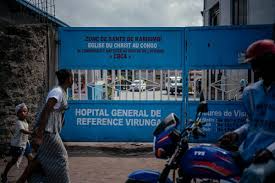
We watched health officials convene and then reach a stark conclusion on May 17, 2026 when the World Health Organization declared the active Bundibugyo Ebola virus outbreak a Public Health Emergency of International Concern. The decision followed confirmation that the virus, first identified in parts of eastern Democratic Republic of Congo, has spread across borders into Kampala, Uganda. That geographic jump changes the calculus for containment and places urgent demands on regional coordination, clinical capacity, and community trust.
What the PHEIC designation means and why it matters
The PHEIC declaration is a formal mechanism designed to mobilize global attention and resources for an event that risks international spread and requires a coordinated international response. For front line clinicians and public health leaders the designation unlocks a faster flow of technical assistance, emergency funding, and regulatory harmonization for medical countermeasures. For communities it signals the seriousness of the threat and the need for amplified surveillance, testing, and patient care measures. The goal is to stop transmission chains and prevent further international seeding while protecting vulnerable health systems.
The outbreak profile and the Bundibugyo strain
This outbreak involves the Bundibugyo species of Ebola virus, a strain known to cause severe disease characterized by fever, intense weakness, vomiting, diarrhea, and in some patients internal and external bleeding. Case fatality rates have varied in prior outbreaks, influenced by speed of detection and access to clinical care. Bundibugyo requires rapid case finding, contact tracing, and supportive treatment, including rehydration and symptomatic management. Clinical experience with Ebola monoclonal antibodies and vaccines is growing, but access and efficacy can differ by strain and logistical constraints.
Where cases have appeared and the pathway into Kampala
Initial clusters were reported in eastern provinces of the Democratic Republic of Congo where surveillance teams identified symptomatic patients and their contacts. Cross border movement for trade, family ties, and informal travel facilitated the virus reaching urban centers. Kampala reported its first confirmed cases after patients presented to city clinics with compatible illness and laboratory testing confirmed Bundibugyo Ebola. Urban transmission poses additional challenges because densely populated neighborhoods and crowded transit hubs can accelerate spread unless containment measures are swift.
Health system pressures and clinical response
Hospitals and treatment units in both countries face immediate operational stress. Ebola care requires isolation, strict infection prevention and control, and trained staff with personal protective equipment. Intensive supportive care improves survival odds but demands resources that many district level facilities lack. Rapid expansion of safe treatment centers, mobile laboratory capacity, and logistics for protective equipment is now a priority. We observed international teams preparing surge deployments and governments reallocating personnel to triage and isolation duties.
Community engagement and the human dimension
The human stories behind case numbers are urgent and complex. Families confronted with a rapidly deteriorating relative face fear and stigma. Traditional burial practices, which may involve close contact with the deceased, can fuel transmission if not adapted with cultural sensitivity. Successful outbreak response hinges on trusted local engagement that explains why infection prevention practices matter while offering respectful, safe alternatives for mourning. Community health workers, faith leaders, and local civil society groups are therefore central to containment tactics.
Testing, contact tracing, and surveillance scale up
Containment requires immediate scale up of testing to identify cases quickly and isolate them. Contact tracing teams must be resourced to monitor contacts for the incubation period while offering supportive services to encourage cooperation. Wastewater monitoring and enhanced sentinel surveillance in clinics and emergency departments can provide early warning signals in urban areas. Cross border coordination to screen travelers, share data, and harmonize reporting standards is another critical component endorsed by WHO officials.
Vaccines, therapeutics, and regulatory hurdles
Medical countermeasures exist that have shown benefit for certain Ebola species. Vaccination campaigns and therapeutic monoclonal antibodies have been deployed in previous outbreaks with success when used rapidly and at scale. However vaccine stockpiles, cold chain logistics, and strain specific efficacy require careful management. Regulatory alignment between national authorities and international suppliers will accelerate access, but equitable distribution to at risk communities remains an urgent ethical imperative.
Global and regional coordination actions under way
Following the PHEIC declaration national governments in the region are activating emergency operations centers, requesting international assistance, and coordinating airline and border screening protocols. Donor nations and multilateral agencies are mobilizing funds and technical teams to support surveillance, laboratory rollout, and treatment center establishment. The African Union and regional health bodies are facilitating logistics and workforce deployments to complement national responses. These coordinated actions aim to prevent further international exportation while bolstering local containment.
Economic and social consequences to anticipate
Beyond the immediate health threat, outbreaks produce ripple effects on markets, schools, and daily life. Urban centers like Kampala may face interruptions to commerce if public fear alters mobility and consumer behavior. Health worker shortages or clinic closures for infection control will affect non outbreak medical services, potentially increasing mortality from other conditions. Policymakers must balance necessary containment measures with protections for livelihoods and essential services, including clear communication to reduce undue panic.
What communities and travelers should do now
Residents in affected and neighboring areas should follow public health guidance on early symptom recognition and seek care promptly for fever, severe fatigue, vomiting, or diarrhea. Avoiding close contact with symptomatic individuals and reporting suspected cases to health authorities supports rapid containment. Travelers returning from the region should monitor symptoms and follow screening instructions. For authoritative public health updates the World Health Organization and the Centers for Disease Control and Prevention provide ongoing technical guidance and situation reports that communities and clinicians can reference at their respective sites.
Long term lessons and strengthening preparedness
Recurring outbreaks highlight persistent gaps in health system resilience. Investing in routine surveillance, community health workforces, and laboratory networks reduces the time to detect and respond to future threats. Sustainable funding mechanisms that maintain readiness between crises protect both local populations and international partners. Strengthening trust between health authorities and communities through continuous engagement will make emergency measures more effective and less disruptive when they are needed.
A closing reflection on shared responsibility
We face a moment that demands urgent action coupled with empathy. Declaring a PHEIC signals seriousness while offering a framework for solidarity. Success will require science guided interventions, rapid logistics, and most of all communities that are informed, heard, and supported. The trajectory of this outbreak will depend not only on laboratories and logistics but on the willingness of governments, partners, and citizens to act together to stop transmission and protect lives.
For detailed technical guidance and situation updates see the World Health Organization emergency pages and the United States Centers for Disease Control and Prevention Ebola resources.