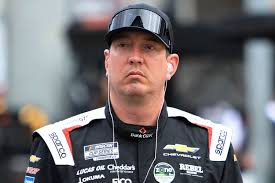
On May 21 2026 news surfaced that two time NASCAR Cup Series champion Kyle Busch has been hospitalized with a severe illness. The announcement sent immediate shock through the racing community and among fans who have followed Busch s ferocious competitiveness and resilience for two decades. At a moment when race teams prepare for upcoming events families and supporters are left waiting for clear medical updates while recalling the grit that has defined Busch s career on and off the track.
What is known so far
Details released by team representatives and public statements were limited at the time of publication. The team confirmed that Busch was admitted to hospital care and that medical professionals are treating a serious condition that requires close monitoring. Officials asked for privacy while promising to provide updates as they become available. NASCAR and several driver peers issued short messages of support and requested space for Busch and his family while clinicians pursue diagnosis and care.
Immediate reaction across the sport
Within hours of the announcement social feeds filled with messages from fans fellow drivers crew members and sponsors. Many posts conveyed personal memories of races where Busch s late race passes or comeback drives produced memorable television moments. Drivers who have raced alongside Busch described a mix of concern and solidarity, emphasizing the tight knit nature of the paddock when one of their own faces health uncertainty.
Teams preparing for this weekend s events faced sudden logistical and emotional adjustments. Crew chiefs and pit crews spoke about the difficulty of focusing on performance while a prominent figure remains unwell. Track officials and promoters began contingency planning for public communications and for tributes should the situation stabilize and permit a public expression of support.
Kyle Busch s career and the human dimension
Kyle Busch has been a polarizing and heroic figure in stock car racing. A prodigious talent from a young age he accumulated victories across NASCAR s top tiers and claimed two Cup Series championships that cemented his status among the sport s elite. But beyond statistics fans remember the human details: a driver who would walk calmly through a crowded garage, check on a rival s car, or pause after a race to meet young fans who had waited through rain and late nights.
I visited a local kart track once where a coach recounted taking a teenage driver to watch Busch at a lower series race. The coach described how the roar of the engines and the smell of burning rubber seemed to promise possibility. For many in that crowd Busch s competitiveness has been a personal inspiration not just a record to admire.
Medical privacy and public interest
The balance between medical confidentiality and public interest is delicate. High profile athletes often prompt intense curiosity, but clinicians and families typically control release of medical facts to protect privacy and to prevent misinformation. The team s request for discretion aligns with standard practice in professional sports. Fans and media should expect measured updates through official channels and be cautious of early speculation that can amplify stress for loved ones.
Journalists covering such stories must weigh the public s legitimate interest against the risk of circulating unverified reports. Responsible reporting involves verifying statements from team spokespeople medical liaisons or NASCAR communications staff and avoiding conjecture about causes or prognosis until credible sources provide details.
Possible implications for racing schedule and commitments
Busch s hospitalization could affect his race participation in the near term depending on diagnosis and recovery timeline. NASCAR and teams maintain contingency protocols for driver substitution, medical clearance procedures and championship points accounting that govern participation. If Busch is unable to race, the team will need to nominate a substitute driver and manage sponsor obligations while adjusting strategy for the season.
Historically NASCAR requires drivers to receive medical clearance before returning to competition after significant illness or injury. That process includes evaluation by series medical staff and may involve rest periods, rehabilitation and monitored return to full duties on the track.
Fan response and community support
The outpouring of support from fans often shapes the emotional environment around high profile hospitalizations. Fan groups and charitable organizations have organized prayer chains, donation drives for related causes and messages delivered to hospitals that uplift patients. Social media campaigns typically encourage positivity and share stories of Busch s impact on individual lives, from encouraging a young driver to offering tickets to local shelters or youth programs.
Team and sponsor platforms usually coordinate messages to ensure they align with family wishes and to consolidate information about official support channels. Fans waiting for updates can follow verified team accounts and NASCAR communications to receive reliable news.
Voices from within the paddock
Several peers offered brief perspectives reflecting the mix of admiration and concern common in racing culture. Former competitors described Busch s relentlessness in competition and his willingness to mentor younger drivers in private. Crew members recalled his meticulous approach to setup and his ability to steady a nervous pit crew with a calm hand in tense moments. Those memories underscore how deeply athletes influence the people who work alongside them beyond what appears on television.
The shared sentiment in the paddock was a hope for recovery and a desire to respect the family s need for space during medical treatment.
Health of professional drivers and safety protocols
Professional motorsports prioritizes driver health and safety through rigorous medical screening and emergency response systems. NASCAR events include on site medical teams, well equipped transport options and protocols to ensure drivers receive immediate care when required. Beyond acute incidents teams also manage chronic health through regular medical evaluations, fitness programs and physical therapy resources that support performance and recovery over long seasons.
When a prominent driver falls ill it often prompts reflection on wellness support structures and on the systems that help athletes navigate complex medical journeys while under public scrutiny.
How to stay informed
For accurate information follow official sources such as the team s verified communications channels NASCAR s media office and reputable sports news organizations with a track record of verified reporting. Medical updates will likely come in measured statements that respect privacy while giving necessary facts about status and next steps.
Readers who want to track official statements can also consult NASCAR s website for centralized news and medical clearance policies that govern driver participation and safety standards.
NASCAR official site offers authoritative statements and procedural information relevant to driver health and participation.
What this moment teaches us
Beyond the statistics and schedules the news of Kyle Busch s hospitalization reminds us of the human heart at the center of competitive sport. For fans and colleagues the immediate impulse is to offer support and to wait patiently for updates. For the sport it is a time to rally resources, to prioritize accurate communication and to respect the privacy of an athlete who has given so much spectacle and intensity to a global audience.
We will monitor developments and report verified information as it becomes available. For now the racing world holds its breath and sends wishes for recovery to Kyle Busch and his family.