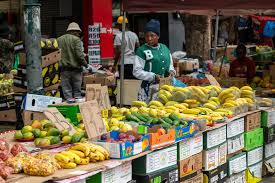
On June 1, 2026, families in kitchens from Lagos to Lisbon and grocers from New York to Nairobi felt the consequence of a shipping squeeze that began halfway across the Atlantic. Continued reliance on alternative maritime corridors because of geopolitical choke points has pushed up the landed costs of key imported food commodities, unsettling fast moving consumer goods supply chains and forcing retailers and manufacturers to rethink pricing, sourcing, and inventory strategies.
How a shipping detour became a food price story
The proximate cause is straightforward and the effect is profound. When major shipping lanes face restrictions or heightened risk, carriers reroute vessels along longer or less direct paths. That raises fuel consumption, increases time at sea, and constrains container availability. Freight forwarders and importers then pass these higher logistics costs into the cost of goods. For staple commodities such as wheat, vegetable oils, processed milk powders, and canned proteins the margin between purchase price and shelf price can be thin, so even modest increases in freight translate quickly into higher consumer bills.
Local markets feel localized pain
Not all countries are affected equally. Nations that depend heavily on transatlantic grain shipments and edible oils from South America and North America experience acute pressure. Port congestion in Western Europe, insurance premium spikes for high risk segments, and delays in coastwise feeder services amplify the problem for smaller ports that lack deep container pools. A mid sized supermarket chain in a coastal West African city reported truckloads arriving with invoice marks reflecting a 12 to 18 percent freight related surcharge for imported staples that had previously been stable for months.
Supply chain players adjusting to persistent volatility
Manufacturers of fast moving consumer goods have responded in several practical ways. Many are stretching the life of safety stock, negotiating longer term freight contracts to lock in rates, switching to bulk shipping where possible, and, crucially, shifting sourcing nearer to demand centers. Some food processors that once relied on a single overseas supplier are adding regional suppliers to diversify risk. These moves help blunt the immediate impact but often require capital to retool factories, renegotiate contracts, and invest in additional warehousing capacity.
Price transmission to consumers
Retailers face a difficult calculus between protecting margin and maintaining customer loyalty. In some markets retailers have absorbed part of the freight pass through for a short window to avoid shocking shoppers, choosing instead to reduce promotional activity. In other cases price increases are now showing on shelf labels and on ecommerce storefronts. For lower income households that spend a larger share of income on food, the increase can be felt in everyday meals, not just luxury items. Where national food assistance programs exist, governments are monitoring these supply chain pressures and considering adjustments to subsidies or targeted relief for vulnerable groups.
Geopolitical choke points and the longer term picture
The current spike is tied to a broader pattern of geopolitical tensions that have intermittently disrupted key maritime corridors. When chokepoints face instability ships reroute along alternative transatlantic passages or extend journeys through less familiar ports. That dynamic does not dissipate overnight because carrier schedules, container pools, and port labor arrangements take time to rebalance. Market participants therefore treat this as a semi structural shock rather than a brief hiccup.
Insurance, fuel, and port economics
Insurance premiums for certain routes have risen as insurers price in greater operational risk. Fuel surcharges calibrated to longer voyages compound costs. In addition ports that gain volume due to rerouting face capacity constraints and may raise terminal handling charges. These cumulative cost drivers travel with goods along the value chain and magnify the final price paid by consumers.
Data and indicators to watch for signs of easing or escalation
To assess whether price pressure will persist, analysts monitor several indicators. Freight indices that track transatlantic container rates provide an early signal of cost trends. Grain shipment notifications and port call data reveal whether rerouting is ongoing. Inventory levels at major distribution hubs and shipping line schedules offer insight into container availability. Policymakers watch import price inflation and staple food price indices for indications of broader food security risk.
Reliable sources for ongoing monitoring
Market participants often consult specialist reporting and datasets to stay ahead. The United Nations Food and Agriculture Organization maintains food commodity price series that complement private freight indices. Shipping line schedules and port authority notices uncover operational shifts that precede price moves. For deeper legal and insurance context trade publications and maritime risk advisories provide timely analysis. The World Bank and IMF periodically publish assessments on how logistics disruptions affect inflation and food security.
Implications for policy and business resilience
Governments have several policy levers to mitigate the consumer impact. Strategic grain reserves and targeted cash transfers can shield the most vulnerable households. Temporary tariff adjustments on imports and support for domestic logistics infrastructure ease pressure, but they do not eliminate the underlying cost of longer voyages. Longer term investments in port capacity, inland transport, and storage reduce exposure to future shocks.
Companies must balance short term mitigation with strategic resilience. A manufacturer I spoke with in Western Europe described a painful but necessary pivot toward multi region sourcing and seasonal buying strategies to smooth cost peaks. That requires more sophisticated procurement planning and stronger local supplier development, but it also creates redundancy that lowers vulnerability to future chokepoint disruptions.
Voices from markets and kitchens
On a busy market street a baker described paying more for imported vegetable oil used in pastries and reducing recipe yields to protect margins. A small grocer in a North American suburb noted customers shifting from branded canned beans to local store brands as price sensitivity increased. These decisions are not abstract economic statistics. They translate into different meals, different family budgets, and, for food dependent small businesses, different survival odds.
A day in the supply chain
Imagine a container loaded with soybean oil in a Gulf of Mexico port. Rerouting adds days at sea, fuel bills rise, and the empty container returns on a delayed loop, creating a shortage where it is needed for other exports. The importer pays more, the processor recalculates input costs, and the retailer decides whether to mark up price or reduce promotions. That sequence converts a maritime operational decision into a pantry reality for consumers thousands of miles away.
Practical steps consumers and businesses can take now
- Consumers can compare unit prices rather than pack prices, substitute to local alternatives where available, and plan purchases to take advantage of promotions that are less likely to vanish during cost cycles.
- Small retailers should track supplier lead times closely, consolidate orders to reduce per unit logistics fees, and explore cooperative purchasing arrangements to gain scale.
- Large manufacturers should model multiple scenario outcomes for freight rate persistence, secure flexible contract terms where possible, and expand regional supplier networks to reduce single point exposure.
Where to find authoritative analysis
For corroborated data and policy analysis consult established institutions such as the Food and Agriculture Organization for commodity price indices and the World Bank for assessments of trade and inflation impacts. Shipping industry publications and port authorities publish operational notices that help businesses anticipate logistic shifts and adapt procurement plans.
Outlook and final observation
Transatlantic freight volatility has become a determinative factor in food pricing that cannot be dismissed as temporary. Markets will adjust through a combination of policy response, commercial adaptation, and consumer behavior changes. The immediate consequence is a higher cost environment for imported staples that forces trade offs across households and businesses. The constructive response lies in transparency, targeted relief where necessary, and supply chain investments that reduce the brittleness of a global food system faced with increasing logistical uncertainty. For families and shop owners living with these changes the challenge is practical and urgent, and the choices made now will shape resilience to the next disruption.
For ongoing updates on food commodity prices and maritime route developments consult the Food and Agriculture Organization and the World Bank for data driven perspectives and policy guidance.