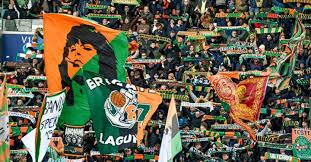
On June 1, 2026, Venezia FC closed a €100 million funding round that signals a broader shift in how private equity approaches sport. Investors are now fusing club ownership with sports technology, lifestyle branding, and experiential revenue models. For supporters on the fondamenta and executives in Milan and London, the deal promises new ambition while raising questions about culture, control, and the future of local identity.
What the investment means for Venezia and its supporters
The headline number is large for a club of Venezia FCs stature. That capital can accelerate stadium improvements, youth development, and digital fan engagement. It can also restructure debt and underwrite player acquisitions that aim to keep the club competitive in Serie A or push for promotion. Yet the emotional core of the club rests with its supporters, the vendors who sell cicchetti outside the stadium, and the tifosi who hold season tickets through decades. For them the value of the investment will be judged not only by points on the table but by whether the club retains its Venetian character.
Sport as lifestyle and technology as growth engine
Investors in this round emphasized a sports lifestyle play. That means building apparel lines, experiential venues, hospitality suites, and content platforms tied to the club brand. Technology components often include data driven performance systems, fan token platforms, and augmented reality matchday experiences. These initiatives aim to create recurring revenue streams beyond matchday receipts and broadcast rights. If executed well those strategies can broaden the clubs appeal globally while delivering new income for local operations.
Where this deal fits into the wider June 2026 trend
This transaction arrives amid a wave of similar investments where private capital blends with consumer lifestyle marketing. Across Europe and North America private equity firms are partnering with celebrities, tech founders, and fashion houses to reimagine clubs as cultural platforms. The logic is straightforward. Sport delivers passionate communities and predictable seasonal engagement. Pairing that with subscription services, direct to consumer commerce, and digital collectibles can create monetization opportunities that traditional media deals cannot fully capture.
Financial mechanics and expected returns
While the headline figure attracts attention the deal structure determines incentives. Many investors seek a combination of equity upside from sporting success and predictable cash flow from commercial operations. Revenue diversification reduces exposure to the binary nature of promotion and relegation. For mezzanine lenders and growth equity managers the value case is built on three pillars revenue growth from new commercial lines, cost optimization through technology enabled efficiencies, and brand expansion into new markets. If the club improves on the pitch the asset multiple expands; if not the commercial engine must compensate.
Risks to culture and competitive balance
Private capital brings expertise and resources but can also introduce pressures that alter a clubs DNA. Decisions about kit designs, sponsorships, naming rights for stadium areas, and content direction can shift focus toward monetization over tradition. That tension is visible in supporter groups that have staged protests at other clubs when heritage elements felt compromised. There is also the competitive concern that an influx of capital into some clubs increases imbalance within leagues, which can reduce parity and fan interest if not managed with transparent governance.
Governance and local engagement
Good governance can mediate these risks. Investors who embed local representatives on boards, commit to community investment funds, and adopt clear stakeholder engagement policies tend to face less backlash. Fans value meaningful consultation about decisions that affect matchday rituals and stadium access. For Venezia the citys unique geography and cultural heritage suggest any major infrastructure or branding change should proceed with deliberate public engagement.
Practical changes fans and residents might see first
Within months supporters may notice refreshed retail offerings, new hospitality packages, and improved digital ticketing experiences. Longer term upgrades could include enhancements to the stadium hospitality areas, better training facilities, and more structured youth academy pathways. On matchdays the atmosphere might evolve as curated hospitality and premium experiences expand, while local businesses could benefit from increased visitor numbers if tourism focused partnerships take hold.
Community benefits and local economy
When investors commit to local hiring, youth development, and community programming the wider city benefits. Investment in training facilities creates jobs for coaches and sports science staff. Partnerships with local artisans and manufacturers for club merchandise can boost regional supply chains. However the distribution of these benefits depends on contract terms and the deliberate choices made by both the club and its new backers.
How clubs can protect identity while growing commercial value
Several approaches help reconcile commercial ambitions with heritage protection. Shareholder agreements can include covenants that preserve club symbols, colors, and local naming rights. Supporters councils can be given formal advisory roles to provide input on cultural issues. Profit sharing on certain commercial products can finance community projects. These mechanisms allow clubs to pursue modern revenue strategies while maintaining legitimacy with fans.
Examples from other clubs
Cautionary and instructive examples exist across Europe where investment led to rapid upgrades but also fan backlash when heritage seemed sidelined. Conversely some clubs have combined strategic capital with careful stakeholder engagement and seen both sporting and commercial gains. The common thread is early, honest dialogue between investors, club leadership, and supporters.
Regulatory and market oversight considerations
Regulators and league authorities monitor ownership changes for financial fair play and competition integrity. Italian football governance bodies and European oversight institutions review funding sources and commercial practices to ensure long term sustainability. Transparency around investment terms and operational plans reduces the risk of regulatory pushback and builds trust with the fan base.
Where to follow official filings and analysis
For legal filings, financial details, and league notices consult official releases from Lega Serie A and the club itself. Broader market analysis is available from financial news outlets and sports business research groups that track private equity moves into football and lifestyle brands. The intersection of sports business and venture capital is now regularly covered in specialist reporting and public market commentary.
What this means for the future of football clubs
This deal exemplifies a landscape where clubs operate simultaneously as sporting institutions and consumer brands. The most successful outcomes will likely come from investors who respect local culture while bringing scalable commercial ideas. For Venezia FC the €100 million is not only a capital injection but a test of balance between ambition and authenticity. If the club can channel fresh resources into youth development, community engagement, and prudent commercial experiments it can strengthen both its competitive prospects and civic role.
For supporters watching the lagoon under a sunset, the hope is simple. They want better football and brighter nights in the stands without losing the songs that define them. That is a measure of success no investor return can fully capture but one every stakeholder should seek to protect.
For updates on club statements and market analysis consult Lega Serie A and established sports business publications for the most reliable reporting.