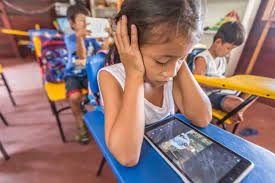
On June 1, 2026, UNESCO unveiled a revised international framework that proposes integrating advanced prompt engineering and algorithmic data safety into primary school curricula worldwide. The proposal frames digital literacy not as an optional skill but as a foundational right for children who already live with algorithmic systems in classrooms, playgrounds, and family devices. For teachers, parents, and policymakers the draft raises practical questions about training, equity, classroom routines, and how to preserve childhood while preparing young minds for a world shaped by machine mediated information.
What the new framework recommends
The draft outlines core competencies for children aged six through twelve that go beyond basic computer skills. They include the ability to craft clear, context aware prompts for conversational agents, recognize when automated recommendations reflect bias or faulty data, and apply simple methods to protect personal information when interacting with apps and services. The framework also recommends teacher training modules, age appropriate assessment tools, and a set of minimal technical standards for educational software to ensure transparency in how algorithms shape classroom content and recommendations.
Why prompt engineering at primary school level
UNESCO argues that children increasingly interact with conversational agents and adaptive learning platforms that respond to input phrased as prompts. Teaching prompt clarity helps students get more reliable responses and reduces frustration, while also cultivating critical thought about the limits of automated answers. For young learners this can be taught through playful exercises where writing a question differently yields different outcomes, turning abstract concepts about model uncertainty into tactile classroom experiments with real systems or simulated agents.
Algorithmic data safety as a citizenship skill
Data safety is framed as a civic competency. Children are taught to identify what information about them is collected by apps, why that data matters, and concrete routines to protect privacy such as adjusting simple settings, asking for consent, and recognizing manipulative persuasion techniques embedded in content feeds. The framework insists that privacy lessons be culturally contextualized and age adapted so that children learn protection techniques without being alarmed or excluded from beneficial digital experiences.
Practical classroom examples
In a primary classroom a teacher might run a lesson where students compare search results produced by slightly different prompts and discuss which answers are trustworthy. Another lesson could have pupils create a personal data diary to see where their names and interests appear online and then practice simple privacy controls on school accounts. Such exercises emphasize hands on investigation and reflection rather than rote memorization of technical rules.
Teacher preparation and systemic support
Teachers are central to the framework s success. UNESCO recommends national education ministries provide mandatory professional development that covers both the skills themselves and pedagogical strategies for teaching them to young children. That includes short intensive certification courses, peer learning networks, and open curricular resources. Recognizing the uneven capacity across countries the draft proposes a tiered support model that pairs resource intensive nations with lower resource partners through voluntary technical assistance and curriculum sharing.
Resource constraints and equity concerns
Many low income school systems lack reliable connectivity, devices, or trained staff. The framework explicitly addresses equity by recommending offline friendly curricular materials, low bandwidth simulation tools, and funding mechanisms to ensure that digital literacy does not widen existing educational gaps. It also stresses that teaching prompt engineering does not require cutting edge models in every classroom but can use locally hosted lightweight agents or guided role play to achieve learning goals.
Child rights, consent, and vendor accountability
The draft pushes for clearer rules around educational technology suppliers. It recommends mandatory disclosure of what data educational apps collect, how long data is stored, and whether third parties receive it. Vendors should provide child appropriate privacy settings and default to minimal data collection. The framework also affirms that children s consent models must be scaffolded by caregivers and teachers so that consent is meaningful rather than procedural.
Regulatory alignment and standards
UNESCO encourages alignment with regional data protection laws and international child rights instruments. It proposes a common label or certification for educational software that meets minimal transparency and safety criteria so procurement officers can prioritize compliant products. Such governance instruments are meant to create predictable expectations for vendors while protecting students from opaque algorithmic influence.
Assessment and learning outcomes
Measuring digital literacy among young children requires tools that capture practical skills and judgment rather than multiple choice recall. The framework recommends performance based assessment tasks where children demonstrate an ability to rephrase prompts for clarity, identify misleading content, and apply simple privacy settings. It also suggests longitudinal studies to track how early digital literacy correlates with later academic outcomes and civic participation.
Teachers care about classroom time
One primary teacher I spoke with described the pressure of fitting new competencies into an already packed timetable. UNESCO s framework addresses this by embedding digital literacy into existing subjects rather than creating standalone courses. For example, language lessons can include prompt writing practice, and social studies can host discussions about algorithmic fairness. This integrated approach helps preserve classroom rhythms while adding substantive new skills.
International reactions and pilot programs
Several countries signaled immediate interest in piloting the framework. Ministries in parts of Europe and Asia outlined plans for small scale trials that pair teacher training with adaptive curricular units. Civil society groups welcomed the emphasis on child agency but urged careful monitoring to ensure privacy protections are enforced. Technology vendors expressed readiness to adapt interfaces for classroom needs while seeking clear procurement standards to guide product development.
Where to follow the framework and further guidance
UNESCO plans a public consultation period and will publish model lesson plans and teacher training modules on its official platform. For background on global education policy and standards consult the UNESCO Institute for Statistics and leading education research outlets that track curriculum innovation and international learning assessments. These resources provide context and data that help ministries evaluate pilot outcomes and scale successful practices.
Balancing protection with opportunity
The proposal recognizes a central tension. Teaching prompt engineering and data safety empowers children to use technology effectively and responsibly, yet there is a risk that over securitization could limit creative exploration. The framework therefore balances skill building with safeguards that preserve play, creativity, and equitable access. It envisions classrooms where children learn by experimenting with questions and tools while adults maintain clear safety nets that protect privacy and dignity.
If implemented thoughtfully the mandates could reshape how a generation learns to communicate with machines and to guard their digital lives. For teachers the work will be demanding and rewarding. For parents the change may feel abrupt but practical routines will emerge. For children the promise is quiet but powerful a chance to enter a world of tools with more confidence and care.
Readers can access UNESCO s consultation materials and supporting resources through the organization s official site and review statistical context at the UNESCO Institute for Statistics for comparative education indicators and implementation guides.