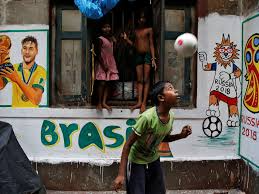
With just ten days to go before kickoff, FIFA announced on June 4, 2026 that it has signed a wide reaching multi year broadcast agreement with Zee Entertainment to carry 39 tournaments across India, including the 2026 World Cup. The settlement ends months of negotiation that left fans, advertisers and local broadcasters in limbo. For millions of supporters who wake before dawn to follow distant kickoff times the deal means match day routines will proceed uninterrupted, while the longer term pact reshapes how the world game reaches South Asia.
Why this deal matters beyond the final whistle
The agreement resolves several looming problems at once. First it guarantees broadcast continuity for the 2026 World Cup across one of the sport’s most consequential markets. Second the multi year nature of the contract provides FIFA and Zee with a runway to build multi platform distribution plans that go beyond linear TV to streaming mobile and localized content. Third it settles commercial uncertainty for advertisers sponsors and rights partners who had delayed spend or planned contingencies while negotiations continued.
There is also a cultural dimension. Football viewership in India has been steadily rising and the World Cup represents an inflection point for mainstream acceptance. For families who arrange weekend rituals around early morning matches the confirmation of a local broadcast partner carries an emotional relief that simple scheduling can rarely provide.
What the contract covers and how fans will watch
The deal covers 39 FIFA tournaments spanning senior men and women’s competitions youth tournaments and selected club events that fall under FIFA’s international calendar. Zee will deploy its broad content footprint across free to air channels pay platforms and its streaming service to maximize reach. Officials indicated that marquee matches will be available on major terrestrial channels while extended coverage analysis and alternate feeds will appear on digital platforms to serve younger audiences who prefer second screen experiences.
From a technical standpoint viewers can expect simultaneous commentary tracks regional language options and tailored studio panels that reflect local storytelling. This blend of linear and on demand offerings aims to accommodate households where members watch together in living rooms and younger viewers who stream on mobile devices while commuting.
Negotiation backstory and the stakes for broadcasters
The months leading to this accord were marked by high stakes bargaining. FIFA sought to secure broad distribution with partners able to maximize revenue and reach while local broadcasters wanted terms that matched market expectations for exclusivity advertising inventory and sublicensing rights. Media executives privately described a tug of war over valuation of streaming rights and language windows that complicated a straightforward settlement.
The standoff also exposed industry fault lines linked to rising rights costs and fragmented viewing habits. Some broadcasters had prepared contingency plans including pop up channels and sublicensing agreements to ensure fans could still watch if a deal failed to materialize. Those plans faded quickly once FIFA and Zee reached terms but the episode will shape how future rights cycles are negotiated across the region.
Reactions from fans advertisers and rights holders
Fans greeted the news with visible relief and expressions of excitement across social platforms. The immediate effect was seen in ticket resale markets pre match viewing parties and local bars that depend on major fixtures for foot traffic. Advertisers cleared campaigns that had been on hold and confirmed higher spend for the opening stages of the tournament.
Rights holders and competing broadcasters adopted a guarded tone. While some welcomed the stability a few signaled concerns about market concentration and the potential for single network dominance over top tier international football content. Regulatory observers will likely watch how Zee manages sublicensing and whether it opens access to regional language broadcasters to preserve broad cultural reach.
What this means for Indian football’s long term growth
The visibility offered by a committed broadcast partner can accelerate grassroots interest and commercial investment. More consistent World Cup exposure creates pathways for sponsorship interest in domestic leagues youth academies and community programs. Clubs and players benefit from the broader spotlight which can increase merchandising ticket sales and international scouting attention.
However commercial windfalls are not automatic. Translating viewership into sustainable development requires targeted investment in local club infrastructure coaching and youth development. Stakeholders will need to ensure portions of the new commercial streams—whether through direct sponsorship or league partnerships—support the pipeline that feeds the sport at every level.
Operational and technical challenges ahead
Rolling out a high quality broadcast across a market as large and diverse as India is complex. Zee will have to coordinate uplinks multilingual commentary teams rights clearances for music and archival footage and technical redundancy to handle peak loads. The network also faces the task of synchronizing linear schedules with streaming windows to limit piracy and maintain advertiser guarantees.
On the consumer side access inequality remains a practical concern. Not all viewers have reliable broadband or the devices required for streaming. A mixed distribution strategy that preserves free to air coverage while expanding digital options will be essential to keep the tournament accessible across socioeconomic strata.
International context and commercial implications
FIFA’s ability to finalize a major market deal at short notice restores some commercial momentum after a period in which several rights negotiations globally became protracted. The agreement with Zee sends a signal to other regional markets that flexible multi platform deals can be struck even late in the cycle if parties prioritize distribution reach and fan access.
From a revenue perspective the terms of the contract were not publicly disclosed but industry analysts expect a significant financial commitment that reflects India’s advertising scale and growing pay subscriber base. Media companies will monitor how Zee monetizes the portfolio through sponsorship bundles premium access passes and ancillary content such as documentaries and player profiles.
Where to follow official coverage and additional details
Fans seeking official scheduling and broadcast details should consult FIFA’s tournament pages and Zee’s program listings for confirmed kickoff times language feeds and streaming access. For background on sports media rights trends the Reuters media section and industry reports from the European Broadcasting Union offer in depth analysis of how rights models are evolving globally.
The deal closes a fraught chapter and opens a new one for football in India. For viewers the sound of a kickoff whistle will arrive without the worry that the match will be missing from their screens. For the sport the greater test will be whether this moment of availability converts into lasting engagement investment and a stronger domestic ecosystem that keeps pace with growing interest across the subcontinent.