On June 12, 2026 institutional property reports revealed a sweeping shift: new stadium projects are no longer single use venues but anchor developments for billion dollar, year round sports districts that combine residences, hotels, retail and cultural space. The change rewrites assumptions about urban land use, investment returns and community life by turning matchday architecture into continuous revenue engines and living neighborhoods that hum long after the final whistle.
Why the shift is happening now
Developers and owners now demand steady cash flows that match institutional investor expectations. Single event sports economics leave large venues idle most days which depresses asset yields and strains municipal subsidies. Integrating mixed use real estate creates diversified income streams from long term leases hotel room nights retail rents and residential sales that smooth revenue volatility. At the same time cities want catalytic projects that generate jobs revitalize precincts and fund public infrastructure. The convergence of private capital appetite and municipal objectives has accelerated the multi billion stadium district model.
What these districts look and feel like
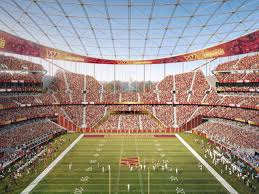
Walk into a modern sports district and you notice layered activity. On a weekday morning joggers thread plazas that later host pop up markets. Ground floor shops and cafés open to residents who live above, hotel guests who stream into business centers and office workers whose commutes end in landscaped courtyards. At night the district transitions into entertainment mode with performance stages, late dining and carefully managed transport flows. The stadium sits at the center as both civic icon and practical hub for retail promenades, flexible event spaces and rooftop leisure amenities.
Economic math and investor appeal
Institutional investors evaluate projects through yield stabilization, occupancy risk and long term appreciation. Mixed use sports districts increase net operating income by layering complementary revenue sources and by extending consumer dwell time. They also allow for phased development which reduces upfront risk and supports adaptive reuse of stadium components over time. Global pension funds and real estate investment trusts favor the predictability of recurring rent streams that come from office and residential tenants compared with the lumpy revenue profile of seasonal sports events.
Large scale tax incremental financing, public private partnerships and land value capture mechanisms further sweeten deals for municipalities. Developers can finance public infrastructure by monetizing future uplift from district activity, aligning civic benefit with private return.
Urban planning and social implications
Well designed districts can knit fractured urban edges, provide affordable housing quotas and inject green space into dense neighborhoods. Yet the scale of these projects introduces social trade offs. Critics warn that massive redevelopment can displace long standing communities, inflate local rents and prioritize tourist facing commerce over resident needs. Equitable outcomes depend on legally binding community benefit agreements, local hiring quotas and transparent land use negotiations that protect existing residents from involuntary displacement.
Planning teams increasingly commission social impact assessments, ongoing community advisory boards and binding affordable housing commitments. Where those measures are absent the result is often gentrification that leaves original neighborhoods altered and less affordable for long term residents.
Design innovation and sustainability
Designers treat stadiums as climate moderated public rooms. New projects incorporate energy efficient façades green roofs water recycling and integrated public transport nodes. Mixed use schemes reduce car dependence by clustering mobility options including transit oriented development and e mobility charging hubs. Material choices and lifecycle planning for stand replacement or modular seating influence long term sustainability metrics and operating costs for owners.
Developers also face pressure to deliver credible carbon reduction plans that align with municipal climate targets. Net zero operational strategies, battery storage for peak management and district heating or cooling systems can make sports districts less resource intensive than legacy arenas scattered across a city.
Case studies and global examples
Several recent projects illustrate the model at scale. One waterfront redevelopment converted a legacy stadium site into a layered district of mid rise housing, creative office space and a civic plaza programmed year round. Another project integrated a luxury hotel tower and a vocational training campus focused on hospitality and sports management, creating workforce pipelines directly connected to district employers.
These examples show common tactics: phased delivery, strong public realm, and early tenancy agreements that anchor districts. They also reveal friction points such as permitting complexity, local political negotiations and the need for robust transport upgrades to manage large crowd volumes without overwhelming neighborhoods.
Transport, safety and crowd management
Mixed use districts must solve both daily mobility and episodic matchday surges. Successful projects design for flexible circulation by widening pedestrian corridors, creating timed entry plazas for events and embedding micro mobility networks that ease last mile travel. Advanced crowd modeling guides placement of entry points and emergency egress routes. Public safety planning layers medical stations, contingency staging areas and communication protocols to ensure both residents and event attendees remain safe during high attendance events.
Coordination among transit authorities, security agencies and district operators is essential to maintain a balance between everyday convenience and episodic resilience when events draw tens of thousands.
Community benefits and workforce opportunities
When planned inclusively sports districts can create local jobs in hospitality retail facility management and creative industries. Developers increasingly fund training programs and apprenticeship schemes that prepare residents for district employment. Anchored cultural programs, community sports facilities and public health initiatives can deliver tangible local returns that build political support and social license for large investments.
Embedding local small businesses into retail strategies sustains economic diversity and preserves neighborhood character. Municipalities that negotiate long term leases for community organizations within districts help prevent displacement of important social services and cultural institutions.
Financial and regulatory challenges
Despite promise the model faces financing complexity, regulatory approvals and long horizon risk. Large projects require layering of debt equity and public subsidies across many stakeholders with differing timelines. Changing interest rates, construction cost inflation and global capital shifts can alter project feasibility mid execution. Regulatory frameworks that govern land use, historic preservation and environmental review often require lengthy public consultation which can delay delivery and increase costs.
Successful developers build contingency reserves, secure anchor tenants early and cultivate strong municipal partnerships to smooth approvals and align incentives.
What this means for cities and residents
The emergence of sports districts signals a shift in urban priorities toward multifunctional real estate that operates year round. For cities that manage the transition thoughtfully the payoff can be revitalized precincts, more jobs and improved public amenities. For residents the outcome depends on protections baked into planning agreements: affordable housing set asides, local hiring guarantees and preserved public spaces ensure districts serve broader civic interests rather than only visitor spending.
Civic leaders, developers and community organizations must negotiate durable frameworks that lock in benefits, distribute costs and hold parties accountable over the long timeframes these projects require.
Looking forward
As institutional capital deploys into sports districts the physical and social geography of cities will change. The most successful projects will be those that treat the stadium as a public good integrated into the daily life of neighbors rather than as an island of spectacle. When planning prioritizes community resilience, transparent governance and sustainable design the new districts can become lasting engines of urban vitality rather than ephemeral showpieces.
For further context on financing models and urban best practices readers can consult resources from major urban research centers and property institutions that track large scale redevelopment projects and offer comparative data on outcomes and community impact.