The World Bank s Spring 2026 Economic Update painted a stark picture for Guinea Bissau on June 24 2026 noting that spillover effects from Middle East geopolitical tensions have driven up fuel and freight costs and compressed export margins for cashew producers. The report warns that these price pressures alongside weaker foreign exchange receipts could push the country s public debt burden to roughly 75.6 percent of GDP and heighten the risk of fiscal stress for households and public services.
How global shocks reach local farms and markets
Guinea Bissau s economy depends heavily on cashew exports which provide income for a large share of rural households and foreign exchange for the state. When shipping rates and bunker fuel rise exporters face higher costs to move processed kernels to overseas buyers while producers rarely capture those price increases. The result is a squeezed margin along the entire value chain from field drying yards to processing units and exporters negotiating contracts in US dollars.
The human sights and sounds behind the numbers
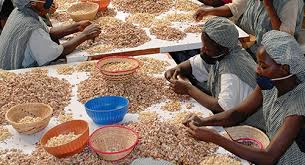
Walk into a cashew processing yard and you hear the rasp of shellers smell the smoky tang of drying nuts and watch workers sort kernels by hand under tin roofs. Those sensory details translate directly into livelihoods that depend on small margins. When freight bills arrive higher and shipping windows lengthen due to rerouted vessels producers and processors feel the impact immediately in lower payments and delayed receipts that cascade into reduced spending in local markets.
What the World Bank report highlights
The update links higher global energy and freight prices to compressed export revenues and increasing fiscal needs. Key takeaways include an estimate that higher import fuel bills and shipping costs have reduced cashew export margins substantially this year and that the government s budgetary position faces pressure from elevated subsidy demands and the need to maintain social programs. The report also flags that weaker foreign currency inflows increase exchange rate volatility complicating debt service for dollar linked obligations.
Debt and fiscal dynamics at play
Public debt rising toward three quarters of GDP reflects a combination of legacy borrowing limited domestic revenue mobilization and new spending needs. Higher energy costs force faster draw on foreign exchange reserves and can widen fiscal deficits if the government chooses to shield households and businesses from full pass through of international price increases. Each policy choice has trade offs between social protection and fiscal sustainability that will shape near term outcomes.
Immediate risks for households and small businesses
For rural households who rely on cashew incomes the squeeze shows up as smaller seasonal payouts and delayed cash that households use to buy food pay school fees and finance health needs. Small processors and transporters face tighter working capital and may reduce employment or cut investment in equipment. Urban families feel secondary effects through higher prices for cooking fuel and transport which raise the cost of living.
Local voices and coping strategies
Farmers and traders in regional markets describe a pattern of hesitation: buyers delay payments waiting for better export terms while sellers hold stock expecting price recovery. Some processors shorten credit to farmers reducing advance payments that producers rely on before harvest. Others attempt to economize by switching to cheaper processing inputs or postponing maintenance which risks longer term productivity losses.
Policy options and international support
The World Bank update recommends a mix of measures to manage short term shocks and build resilience. Near term options include targeted cash transfers or vouchers to protect the poorest households flexible fuel subsidy schemes that minimize fiscal cost and temporary credit lines for processors to maintain liquidity. Over the medium term priorities include revenue reforms to expand the tax base stronger public financial management and investments in logistics and value addition that raise local capture of export value.
Role for development partners
Multilateral lenders and bilateral partners can support with concessional financing that eases immediate balance of payments pressures and with technical assistance for improving customs efficiency and supply chain logistics. Climate resilient investments that reduce dependency on distant processing and that expand storage and local processing capacity could also reduce exposure to volatile freight markets.
Trade and market diversification as structural responses
Diversifying export markets and developing domestic value chains can blunt the effect of concentrated price shocks. Encouraging downstream processing that keeps more value within the country requires investment in equipment quality standards and brand development for cashew products. Longer term market diversification may make producers less sensitive to single route shipping bottlenecks and enable higher returns for quality differentiated products.
Practical steps for the private sector
Processors can reduce vulnerability by negotiating forward freight agreements pooling shipments to achieve scale and investing in storage to time sales better. Smallholders benefit from strengthened cooperatives that improve bargaining power and facilitate access to short term financing that smooths income volatility.
Regional spillovers and geopolitical linkages
The World Bank underscores that the shock originates in broader geopolitical tensions that affect global energy flows and maritime routing. Those shifts demonstrate how small open economies are connected to distant conflicts through shipping lanes and fuel markets. Regional coordination on trade facilitation and shared logistics hubs can lower transaction costs and provide alternatives when primary routes face disruption.
What to watch next
Key indicators to monitor include freight rate indices global fuel price trends cashew export volumes and pricing data and movements in foreign exchange reserves. Government announcements on subsidy programs treasury financing and any new donor facility will also signal how policymakers intend to respond. Close monitoring of household consumption patterns and labor market signals will show how quickly shocks translate into social stress.
Where to find authoritative datasets
For trade and shipping metrics readers can consult the International Maritime Organization and major freight indices that track container and bulk shipping rates. For fiscal and debt data the World Bank s country pages and the International Monetary Fund s regional reports provide context on debt sustainability and recommended policy measures.
Guinea Bissau s challenge is a reminder of how global political events ripple through commodity chains to affect the daily lives of people far from conflict zones. The World Bank s warning offers a roadmap of policy measures and external supports that can reduce immediate hardship and build a more resilient export economy able to withstand future shocks.