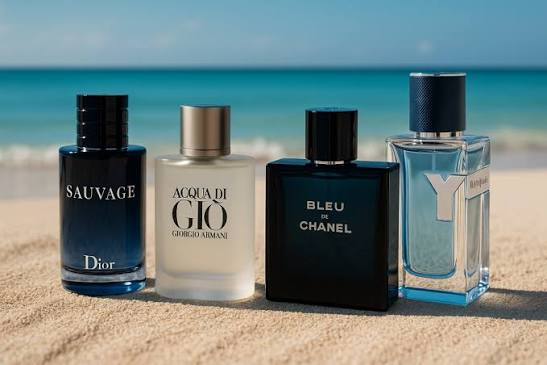
The summer fragrance market is changing fast, and this season the shift is unmistakable: luxury buyers are moving toward synthetic based scents that promise cleaner sourcing, stronger ethics, and the kind of polished performance modern consumers expect. I see this as more than a style change. It is a sign that men’s grooming has entered a new phase, where scent is judged not only by how it smells on warm skin, but by how responsibly it was made.
Why the market is moving
For years, luxury fragrance was built around stories of rare woods, animal derived notes, and far flung botanical ingredients. That language still has appeal, but it is no longer enough on its own. Buyers in the premium fashion and lifestyle market increasingly want proof that a fragrance aligns with environmental goals, transparent sourcing, and modern labor standards. Synthetic ingredients are gaining ground because they offer consistency, reduce pressure on fragile natural materials, and allow perfumers to build fresh, clean summer profiles without relying heavily on scarce resources.
This matters especially in warmer months, when consumers look for lighter, sharper, and longer lasting scents that can survive heat, humidity, and long days outdoors. Synthetic molecules often provide that structure with greater control than some natural extracts. They also allow brands to maintain the same scent signature across production runs, which has become a quiet but important selling point for shoppers who want reliability in a luxury purchase.
What ethical luxury now means
Eco conscious fragrance is no longer a niche category reserved for small clean beauty labels. It has moved into the center of high end menswear, grooming, and lifestyle retail. The phrase ethical luxury now covers a wider set of expectations, including renewable feedstocks, responsible packaging, lower waste manufacturing, and a more careful approach to ingredient selection. In practice, this means brands are being judged on more than the elegance of the bottle or the prestige of the designer name.
Consumers are also asking harder questions about where materials come from and whether natural ingredients are being harvested in ways that damage ecosystems or exploit labor. That pressure has made synthetic based perfumes more attractive to both brands and buyers. A well made synthetic note can mimic the brightness of citrus, the dryness of cedar, or the salt air quality many summer fragrances seek, while reducing dependence on highly pressured natural inputs.
How the scent profile is changing
The new summer fragrance profile for men tends to feel fresher, cleaner, and more architectural than the heavier woody blends that dominated earlier luxury counters. I would describe the current direction as airy but disciplined, with bright top notes, mineral undertones, and musky or ambered bases that remain subtle in heat. Instead of trying to project loud masculinity, these compositions often signal calm confidence and a more understated form of polish.
That shift reflects broader changes in how men shop for fragrance. Younger buyers especially are less interested in rigid categories and more interested in scents that feel wearable at the office, at dinner, and on a weekend trip without becoming overpowering. Eco conscious synthetics support that flexibility because perfumers can build cleaner, more adaptable structures that hold up through changes in temperature and setting.
The role of innovation
Perfume houses and luxury brands are investing in new methods to make synthetic ingredients feel as refined as the finest naturals ever did. Some are using laboratory designed aroma molecules to recreate familiar summer notes with less environmental strain. Others are pairing those materials with recycled packaging, refill systems, and clearer sourcing disclosures to reassure consumers that sustainability is part of the whole product rather than a slogan on the box.
The best examples do not feel synthetic in a pejorative sense. They feel precise. A crisp aquatic note, a polished citrus accord, or a soft woody trail can feel more vivid when the perfumer has full control over the formula. That precision matters because summer fragrances must work in demanding conditions. Heat can flatten a scent quickly, so brands are leaning into structures that stay readable on skin without turning heavy or cloying by midday.
What this means for shoppers
For consumers, this trend creates a wider choice set, but it also demands more attention. Labels now matter. Shoppers who want eco conscious luxury should look beyond the marketing language and examine whether a fragrance uses responsibly sourced synthetics, refillable packaging, or transparent ingredient information. The goal is not to treat every natural ingredient as suspect. It is to recognize that sustainable perfumery often requires a mix of scientific innovation and careful restraint.
Price remains a factor as well. Luxury fragrances built around sustainable synthetics are not automatically cheaper, and many still command premium pricing because of brand positioning, design, and distribution. Still, some buyers may find better long term value in bottles that are consistent, refillable, or less wasteful than one time use alternatives. For men building a fragrance wardrobe, a strong summer scent with a cleaner footprint can now sit beside more classic winter or evening options without feeling like a compromise.
Why the mood feels different this year
There is also a cultural shift at work. Scent has become part of personal identity in a more deliberate way, especially among men who want their grooming choices to reflect taste and values at the same time. A fragrance that smells fresh on a hot afternoon while also signaling environmental awareness carries a different kind of status than a bottle chosen only for prestige. It says the wearer is paying attention.
That attention is visible in retail behavior. Fragrance counters are increasingly shaped by conversations about ingredient ethics, refill programs, and climate responsibility. Sales associates are fielding questions once rare in menswear, and shoppers are asking how the scent was made as often as how it smells. That is a notable change for an industry that long relied on mystique. Transparency is becoming part of the luxury experience.
What brands will need to prove
Brands that want to win in this space will need to do more than add sustainability language to advertising. They will need to show measurable steps that support the claim. That could include recycled glass, lower impact manufacturing, traceable ingredients, or refill compatible designs. They will also need to protect the emotional side of fragrance, because buyers still want beauty, elegance, and pleasure first. Sustainability is powerful, but a scent still has to feel desirable on skin.
The strongest brands will likely be those that treat synthetic based formulas not as a fallback, but as a design choice with creative value. That framing matters. It allows perfumers to think of science and artistry as partners rather than rivals. In a summer market shaped by heat, ethics, and modern taste, that partnership may prove to be the winning formula.
What comes next
Looking ahead, I expect eco conscious synthetics to move from a trend to a standard expectation in men’s summer fragrance. Buyers are becoming more informed, climate concerns are shaping purchasing habits, and luxury no longer has the same freedom to ignore sustainability questions. The result is a market that feels less nostalgic and more practical, but not less beautiful.
That is the real story behind this shift. Men are not giving up on fragrance. They are asking it to work harder, smell cleaner, and carry a lighter footprint. In a season defined by heat and scrutiny, that demand makes perfect sense.