
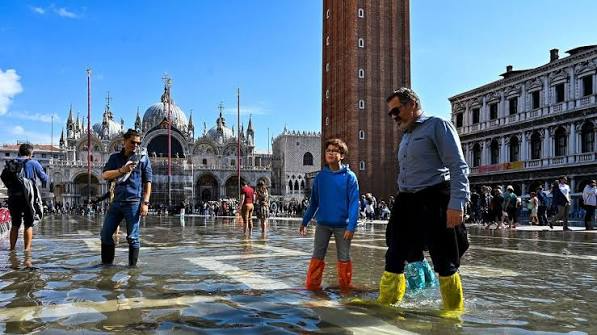
This summer the world is rearranging where people go to rest, recharge, and escape oppressive heat. Severe heat warnings across southern Europe and large parts of Asia have triggered a rapid, visible reorientation in international travel bookings toward cooler Northern Hemisphere locations. The pattern is not a momentary quirk. It is a structural response by travelers, travel companies, and local economies to an increasingly predictable climate risk that touches everything from flight routing to hotel staffing and local public health planning.
What is changing in booking patterns
Booking platforms report concentrated surges in reservations for destinations that sit higher in latitude or at high elevation. Resorts and cities in Scandinavia, the British Isles, Iceland, northern Canada, and mountain regions such as the Alps and Norwegian fjords are seeing increased searches and confirmed itineraries. At the same time, traditional summer draws in southern Spain, Greece, Turkey, India, and Southeast Asia are experiencing noticeable declines during peak heat weeks.
The shift is visible across multiple travel channels. Online travel agencies record spike windows where searches for cooler destinations outpace searches for warm Mediterranean beach towns by double digit percentages. Airline revenue managers are reworking seat inventory for certain transatlantic and transpolar routes, and independent travel advisors report clients explicitly citing heat and advanced heat warnings as primary reasons to reroute.
Why travelers are changing plans now
Several converging forces explain the move. First, the lived experience of extreme heat has become acute and frequent for many travelers. Heat alerts, prolonged daytime temperatures above human comfort thresholds, and nighttime temperatures that offer little relief create a visceral aversion to typical summer stays in low altitude, low latitude spots. Second, increased media coverage and municipal heat action plans make heat risk tangible. When cities close outdoor pools, postpone festivals, or issue public cooling guidance, travelers take notice.
Economic considerations reinforce the behavioral shift. Energy prices and air conditioning costs have risen in some heat affected regions, which can translate into higher hotel rates or unexpected fees. Health concerns, especially for travelers with young children or older family members, further nudge decisions toward milder climates. Finally, the market has responded quickly: travel companies now advertise alternatives and curate itineraries that highlight cool evenings, mountain treks, and coastal breezes as selling points.
Human stories behind the numbers
Consider Anna and Rahim, a couple from London who swapped a booked week in southern Spain for a small cottage in the Scottish Highlands after seeing repeated heat warnings for Malaga. They told their travel agent they wanted “fresh air and cooler nights” for their toddler. Or the extended family in Singapore who changed a planned Bali vacation to a longer stay in Hokkaido where their elderly parents could rest without strict heat precautions. These decisions reflect preferences people have always made for comfort. What has changed is the spatial scale and urgency with which those preferences are now translating into cross-border moves.
Impact on destinations and local economies
Winners in the short term include northern and highland destinations that have capacity and infrastructure to absorb influxes. Hotels in Reykjavik and Tromso report healthy occupancy, and remote cabin rentals in Norway and Scotland are booked weeks in advance. Communities that rely heavily on summer tourism in heat-prone regions face revenue gaps, staff scheduling disruptions, and the reputational risks of being perceived as unsafe during extreme weather.
Local governments are reacting. Some southern cities are expanding public cooling centers and adjusting festival schedules. Others are launching marketing campaigns to highlight shaded promenades, early morning activities, and sea breezes. These are practical adaptations, but they do not fully offset changes in demand. For many businesses, a hot summer can mean a steep, concentrated loss that is difficult to recover from in a single season.
Industry adaptation and operational responses
Airlines, hotel chains, and tour operators are adjusting in real time. Airlines are redeploying aircraft to routes that connect source markets with cooler destinations. Some carriers are increasing frequency on northern routes and offering flexible rebooking policies to accommodate climate informed choices. Hotel groups are promoting properties with natural ventilation, access to green spaces, and robust cooling systems. Tour operators are designing itineraries that avoid midday heat and emphasize early morning or evening activities.
Technology companies in travel are also contributing to the shift. Dynamic recommendation engines now incorporate weather forecasts and advisories into search results, surfacing cooler alternatives as an explicit option. Travel insurance products are evolving to cover weather related trip changes, providing travelers financial protection when heat warnings force plan changes.
Public health and safety considerations
Heat is not only an inconvenience. Extreme heat increases risks of heat stroke, dehydration, and exacerbation of chronic conditions. Municipal health agencies in affected regions are issuing guidance for tourists on hydration, activity timing, and medication storage. Travelers are being asked to plan with the same care they would for winter storms: know where cooling centers are, prioritize shaded or indoor activities during peak hours, and monitor local advisories.
For travelers with higher health vulnerability, the calculus now includes not only destination appeal but also medical access. Regions with thin healthcare capacity may become less attractive during heat waves, even if they remain affordable and culturally appealing.
Longer term implications for travel behavior and policy
The present shift could harden into a longer lasting pattern. Climate models project that many low latitude and low elevation destinations will face more frequent heat extremes, nudging a persistent rebalancing of global tourism seasons. This could reshape annual tourism flows, prompting investments in northern infrastructure and rethinking of peak-season staffing and training in cooler regions.
Policy responses matter. Governments can smooth transitions by investing in resilient infrastructure such as public cooling facilities, reliable grid capacity, and emergency response systems. Tourism ministries can fund campaigns that showcase alternatives and distribute visitor traffic more evenly across both time and place. International cooperation on traveler health guidance and insurance portability could also mitigate the friction of rapid booking changes.
What travelers should consider when planning
Travelers can take practical steps to align comfort, safety, and cost. Consider the following when choosing a summer destination.
- Check long range and short term weather forecasts and review official heat advisories for your destination.
- Prioritize accommodation with reliable cooling options and convenient access to medical services if you have health concerns.
- Plan activities during cooler parts of the day and include rest periods to reduce heat exposure.
- Look for flexible booking and travel insurance that covers weather related changes to minimize financial loss.
- Support destinations that have clear heat mitigation plans to encourage resilient tourism practices.
Data and reporting sources
Analysis in this article draws on booking trend data from major online travel agencies, airline scheduling adjustments, and public heat advisories issued across affected regions in July 2026. For climate context and health guidance, readers can consult the World Meteorological Organization for regional heat trend reports and the World Health Organization for heat related public health advice.
For travelers seeking up to date forecasts and official warnings, national meteorological services provide region specific alerts and preparedness recommendations. For how airlines and hotels are updating policies in response to weather disruptions, individual carrier and hotel chain pages offer the most current operational notices.
Closing thought
What we are witnessing this summer is not only a temporary change in where people choose to go on vacation. It is a collective response to a shifting environmental reality. Travelers make choices to protect their health and comfort. Businesses and governments that respond thoughtfully will reduce harm and preserve the pleasures of travel. The itinerary of summer is being rewritten in real time and the lessons learned now will shape how people travel in summers to come.

