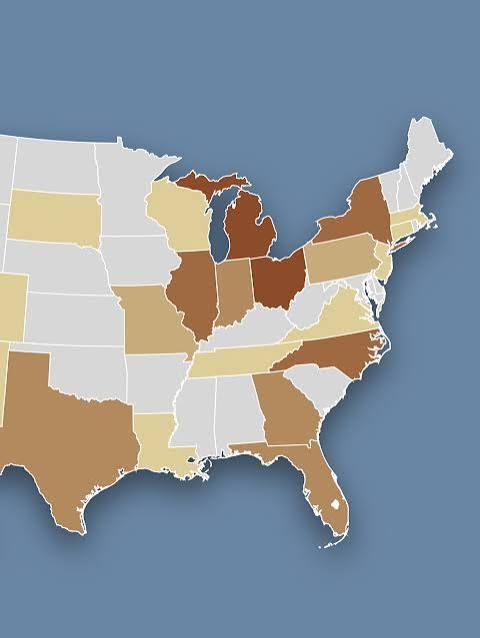
A fast moving cyclosporiasis outbreak is forcing health officials, growers, distributors, and shoppers to scrutinize the food system with unusual urgency. As of July 11, 2026, public health agencies are warning that the parasite borne illness has spread across 31 US states, with cases rising fast enough to trigger tighter agricultural inspection protocols and renewed attention on produce safety. The central message from investigators is clear: this is a serious, ongoing foodborne threat, and the source has not yet been pinned down.
What cyclosporiasis is and why it matters
Cyclosporiasis is an intestinal illness caused by the microscopic parasite Cyclospora cayetanensis, and it typically brings watery diarrhea, stomach cramps, nausea, fatigue, and sometimes fever. The illness can last days or weeks, and symptoms may fade and then return, which makes it especially punishing for families trying to recover their routines. The CDC says people usually get sick about a week after exposure, although the time frame can range from a few days to two weeks or longer.
[cdc](https://www.cdc.gov/cyclosporiasis/about/index.html)
That lag between exposure and illness is one reason outbreaks can be hard to trace. Someone may eat contaminated produce in one state, feel fine while traveling, and only later develop symptoms far from the original source. By the time hospitals, local clinics, and state health departments begin seeing a cluster, the contaminated food may already be gone from shelves and kitchens.
What officials know now
CDC surveillance pages show that cyclosporiasis is being tracked nationally, with reported cases in multiple states and active investigations underway. The agency’s June 16 update listed 145 US acquired cases across 17 states, with 20 hospitalizations and no deaths reported at that point. By early July, reporting from state agencies and national outlets showed the count climbing sharply, with some states, especially Michigan and parts of the Midwest, accounting for a large share of cases.
[cdc](https://www.cdc.gov/cyclosporiasis/php/surveillance/index.html)
What matters most right now is not just the count, but the pattern. Health authorities have said there is no evidence yet of a single nationwide source tying every illness together. Instead, investigators are looking at multiple clusters, seasonal surges, and possible produce linked exposures that may have entered the market through different channels.
[nytimes](https://www.nytimes.com/2026/07/02/well/cyclospora-infection-united-states.html)
Why produce is under the microscope
Cyclosporiasis is a foodborne illness, and contaminated fresh produce has often been implicated in past outbreaks. The parasite spreads through food or water contaminated with fecal matter, which is why inspection teams are focusing closely on agricultural water, field sanitation, harvesting practices, packing facilities, and cold chain handling. In practical terms, this means every step from the farm row to the grocery shelf is being examined for weak points.
[cdc](https://www.cdc.gov/cyclosporiasis/about/index.html)
Public health officials are especially alert to items that are eaten raw or lightly washed, since those foods do not go through a cooking process that would kill the parasite. In prior outbreaks, investigators have linked illness to cilantro, basil, raspberries, snow peas, salad kits, and green onions, which is one reason produce growers are bracing for detailed traceback reviews. For consumers, the challenge is unsettling because the foods most often implicated are the ones many people consider the healthiest.
[cidrap.umn](https://www.cidrap.umn.edu/measles/quick-takes-more-us-measles-cyclospora-spike-michigan-frozen-blueberries-and-e-coli)
How the outbreak affects everyday shoppers
For many families, this outbreak is not an abstract public health bulletin. It changes what goes into the cart, what gets rinsed at the sink, and what gets left on the plate. A summer salad, a fruit bowl, or a garnish that once felt routine can now carry a second thought. People are asking whether they need to avoid all produce, and the answer from public health experts is no, but they do need to be more selective and careful.
That distinction matters. The safest response is not panic, but disciplined food handling. Washing hands, rinsing produce under running water, and keeping raw foods separate from items ready to eat remain important steps. Travelers returning from tropical or subtropical regions should be especially watchful, since Cyclospora is more common in those settings.
[cdc](https://www.cdc.gov/cyclosporiasis/about/index.html)
What symptoms should prompt action
Symptoms usually include frequent watery diarrhea, abdominal cramps, bloating, nausea, vomiting, body aches, and fatigue. Some people also experience loss of appetite and a general sense of being wiped out, which can be severe enough to interfere with work and caregiving. Because symptoms can wax and wane, people may assume they are recovering before illness returns.
If symptoms are persistent, especially diarrhea lasting more than a couple of days, medical attention is warranted. Health workers may need to order a specific stool test, since cyclosporiasis can be missed if clinicians are not looking for it. Treatment is available, and early diagnosis can shorten the course of illness and reduce complications.
Why this outbreak is hard to track
One reason investigators are moving cautiously is that cyclosporiasis surveillance in the United States is uneven and often delayed. CDC data can lag behind what states are reporting locally, which means national counts may underestimate the true scale of the problem. That lag can make the outbreak appear smaller or less connected than it really is while epidemiologists are still gathering interviews, purchase histories, and laboratory data.
[nytimes](https://www.nytimes.com/2026/07/02/well/cyclospora-infection-united-states.html)
Another complication is that many people with mild symptoms never seek care, and many who do are not immediately tested for Cyclospora. That leaves a hidden layer of illness outside formal case counts. In outbreak work, those missing cases matter because they can hold the clues that link a grocery item, a supplier, or a distribution pattern.
Inspection protocols are tightening
As the investigation spreads, agricultural inspection teams are facing stronger pressure to verify field hygiene, water quality, worker sanitation, and packing plant controls. That can mean more sampling, more documentation, and closer scrutiny of imported and domestic produce shipments. In the near term, this increases costs for growers and distributors, but it also serves a critical public health function.
For the food industry, the lesson is familiar but unforgiving. A single contaminated lot can move through a national supply chain quickly, and by the time illness is recognized, product may have crossed many state lines. Stronger inspection protocols are therefore not a symbolic response. They are the practical barrier between a contained event and a larger public health crisis.
How to reduce risk at home
Consumers can lower their risk without abandoning fresh food altogether. The CDC advises people to follow standard food safety practices and avoid food or water that may be contaminated with feces. That advice is especially important for raw herbs, leafy greens, berries, and other produce that is eaten without cooking.
[cdc](https://www.cdc.gov/cyclosporiasis/about/index.html)
- Wash hands before preparing food and after handling raw produce.
- Rinse fruits and vegetables under running water, even if you plan to peel them.
- Keep raw produce separate from meat, seafood, and unwashed surfaces.
- Refrigerate cut produce promptly to reduce the chance of contamination spreading.
- Seek medical care if watery diarrhea lasts several days or returns after seeming to improve.
What public health leaders are watching next
The next phase will depend on traceback work, patient interviews, and laboratory matches among states. If investigators identify a common source, recalls and advisories could widen quickly. If not, officials may conclude that multiple contaminated items or multiple supply pathways are contributing to the outbreak, which would make control more complex but not impossible.
Public health organizations around the world are also monitoring the situation because food supply chains are international, and produce often crosses borders before reaching a kitchen table. That global attention reflects a hard truth about modern food systems: a microscopic parasite can become a multinational story in a matter of days.
Why this moment feels different
Foodborne illness is not new, but this outbreak lands in a year when consumers already feel uneasy about supply chain safety, weather disruptions, and rising food costs. When a healthy lunch can become a source of illness, people want more than reassurance. They want evidence that inspectors are finding the problem, that producers are improving controls, and that health agencies are communicating quickly and clearly.
For now, the most useful response is steady vigilance. The outbreak is serious, but it is also being actively tracked by state and federal health officials, who are working to identify the source and reduce further spread. The public should pay close attention to advisories, watch for symptoms, and take produce safety seriously while investigators continue their work.
[cdc](https://www.cdc.gov/cyclosporiasis/php/surveillance/index.html)