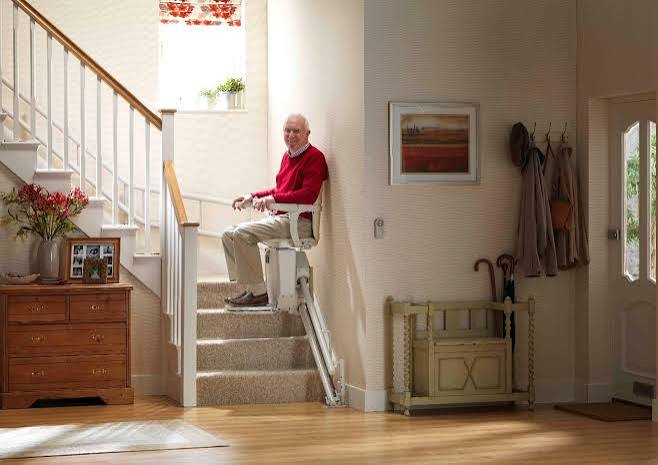
Leaf Home has introduced what it calls the industry first integrated hands free motion sensor light strip built directly into stair lift rails. The product, named Stair Lift Comfort Lighting, debuted on July 14, 2026 with a clear aim: to dramatically reduce falling risks for people who rely on stair lifts to move between floors. The system lights the path automatically as a user approaches and rides, removing the need to fumble for switches in dim hallways and helping caregivers see foot placement during transfers.
Why this innovation matters for safety
Falls on stairs remain a leading cause of home injury for older adults and people with mobility challenges. Even with a stair lift in place, low light conditions create hazards at the top and bottom landings, along the track, and near footrests. A user may reach for a handrail in the dark or step onto a shadowed edge without seeing a threshold. The added illumination from Stair Lift Comfort Lighting addresses that gap by casting a soft, even glow along the rail and steps exactly when it is needed.
The motion sensor component is key. Lights activate as a person approaches and stay on during the ride, then fade after a short delay to conserve energy. That hands free operation is vital for users with limited grip strength or vision impairment who cannot safely manage a separate switch. For families, the feature reduces anxiety about nighttime trips and provides peace of mind when a loved one is moving alone.
Key features at a glance
- Integrated LED light strip installed within the stair lift rail for a clean, low profile look
- Hands free motion sensor activation that turns lights on as users approach and during travel
- Adjustable brightness and color temperature to suit different times of day and visual needs
- Energy efficient design with auto shutoff to minimize power use and heat
How the system works in real homes
Installation is handled by Leaf Home technicians who assess the staircase, power source, and rail configuration. The light strip is embedded into the rail housing so it does not snag clothing or create protrusions. Wiring connects to the stair lift power supply or a nearby outlet, depending on the model and home layout. Calibration ensures the sensor range matches the user typical approach path and that brightness levels are comfortable for nighttime use without causing glare.
In practice, the experience is simple. A resident hears the soft chime of the stair lift, steps into a pool of light that outlines each tread, and rides with a clear view of footrests and landing edges. Caregivers can see where to place hands during transfers and avoid tripping over rugs or cords. The result is a smoother, safer routine that reduces the cognitive load on users who already manage many daily challenges.
Who benefits most from this upgrade
The primary beneficiaries are older adults and people with mobility limitations who use stair lifts to access bedrooms, bathrooms, and living areas. Those with low vision or contrast sensitivity gain immediate value from the enhanced visibility. Families with split level homes or basement suites also benefit when guests or children use the stairs after dark. The lighting can be especially helpful during power outages if paired with a backup battery feature, though that capability depends on the home electrical setup.
Care facilities and assisted living residences that install stair lifts can use the system to improve safety standards and reduce incident reports. Staff members working overnight shifts gain better visibility during transfers and can respond more quickly if a user needs assistance. The technology also supports independence by allowing residents to move confidently without waiting for help.
What to consider before adding stair lift lighting
Not every stair lift or staircase is a perfect fit. Homeowners should evaluate rail material, available power sources, and sensor placement with a qualified installer. Those with custom or older stair lift models may need adapters or alternative mounting solutions. It is also important to test brightness settings to ensure the light is sufficient without causing glare for users with certain eye conditions.
Cost is another factor. Integrated lighting adds to the overall price of a stair lift system, though many families view it as a worthwhile investment in safety and independence. Insurance coverage varies, so checking with providers and exploring medical equipment benefits can help offset expenses. Some utility companies offer rebates for home safety upgrades that include accessibility features, so it pays to ask.
The broader push for accessible home design
Leaf Home launch reflects a growing trend toward accessibility features that are built in rather than bolted on. Consumers and builders alike are recognizing that homes should accommodate aging in place and diverse mobility needs from the start. Motion sensor lighting, zero threshold entries, and wider doorways are becoming standard requests in renovations and new builds. The stair lift lighting addition fits that pattern by addressing a specific risk point with a seamless solution.
Regulators and advocacy groups continue to push for stronger standards around home safety for older adults. Products that demonstrably reduce fall risk and improve independence are likely to gain traction with insurers, healthcare providers, and housing authorities. The success of Stair Lift Comfort Lighting could encourage other manufacturers to integrate similar features across their lines and spur competition that drives down costs over time.
Resources for homeowners and caregivers
Those exploring stair lift options and safety upgrades can consult guidance from national aging and disability organizations that review home modifications and funding programs. For product comparisons and user reviews, consumer advocacy sites such as Consumer Reports offer independent assessments of home accessibility equipment and related technologies.
A final word on the impact
The measure of a safety innovation is not only in its technical specs but in the quiet moments it improves. A midnight trip to the bathroom becomes less daunting. A transfer from chair to lift feels more controlled. A caregiver can focus on the person rather than the shadows. Stair Lift Comfort Lighting aims to deliver those small yet vital gains. If it succeeds, it will not be the last built in feature to turn a standard stair lift into a smarter, safer part of the home.