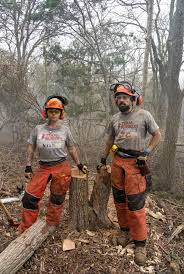
Carhartt has joined a new cross industry effort aimed at raising the profile of skilled trades, improving the design of practical workwear, and widening economic opportunity for the people who keep job sites, factories, and utilities running. The initiative arrives at a time when employers across construction, manufacturing, and maintenance are struggling to find enough trained workers, and it reflects a simple truth I keep hearing from the field: if the economy depends on tradespeople, then the tools and clothing built for them deserve serious attention.
Why this partnership matters
The trades have long been the backbone of physical America, yet the people who do the work are often overlooked in public conversation. Builders, electricians, welders, mechanics, technicians, and other skilled workers are the ones who keep homes rising, power flowing, and machines moving. A partnership that puts their visibility and career mobility at the center is more than branding. It is a recognition that these professions deserve status, support, and better designed equipment.
Carhartt brings unusual credibility to that conversation. Founded in 1889 and still closely associated with heavy duty workwear, the company has spent generations dressing workers who need durability more than decoration. That history gives the brand a practical voice in discussions about job site safety, comfort, and function, especially when the workday involves grit, sweat, dust, and long hours under unforgiving conditions.
[en.wikipedia](https://en.wikipedia.org/wiki/Carhartt)
A focus on real work
At the center of the initiative is the idea that workwear should serve the body doing the job, not just the image of the job. That means pockets placed where a hand actually reaches, fabric that holds up under repeated wear, seams that can survive stress, and cuts that move with the wearer instead of fighting against them. For tradespeople, these details are not style notes. They are part of daily performance.
Anyone who has stood on a wet slab before sunrise, climbed into a cramped mechanical space, or carried tools across a noisy site knows how much difference the right gear makes. Clothing that binds, tears, or overheats is not a small nuisance. It can slow work, increase fatigue, and make already demanding shifts even harder. A push toward practical workwear design is therefore a worker issue as much as a product issue.
Visibility and respect
The partnership also aims to raise the public visibility of trade professions, which remains one of the most important barriers to solving the workforce shortage. Too many young people still hear a narrow message that success only comes through a four year college path, even as employers struggle to fill good paying skilled roles. That leaves a gap between labor market reality and cultural perception, and it is a gap with real consequences.
By joining a broad industry alliance, Carhartt is helping to shift the narrative. The message is not that trades are a fallback. It is that they are careers with dignity, advancement, and economic mobility. In a period when housing demand, infrastructure repair, and industrial expansion all require more skilled labor, that cultural reset matters as much as recruitment ads or training budgets.
What economic mobility looks like
Economic mobility is often discussed in broad terms, but in the trades it can be seen in ordinary, measurable ways. A worker may begin as an apprentice, learn to read blueprints, earn certifications, and gradually move into a higher paying role with more responsibility. Over time, that path can support home ownership, family stability, and a level of independence that many workers value deeply.
The promise of the alliance is that it helps more people access that path. If apparel companies, industrial brands, and training organizations align around the same goal, they can make the trades feel more visible, more modern, and more welcoming to newcomers. That could matter especially for workers from communities that have not always seen themselves reflected in the construction or technical workforce.
Workwear as a tool
Carhartt’s role also highlights a truth that people outside the trades sometimes miss: workwear is a tool. It is part of the equipment that supports a long shift, much like gloves, boots, or a hard hat. Good workwear does not just look sturdy in a photo. It protects skin, supports movement, and helps workers stay focused on the task in front of them.
The company has long built its reputation on durable clothing for demanding environments, from jackets and overalls to rugged pants and flame resistant apparel. That history makes it a natural fit for a coalition centered on practical design. In the same way a wrench must fit the bolt, workwear must fit the task.
[carhartt](https://www.carhartt.com/about)
Industry support and labor needs
This initiative arrives against a backdrop of persistent labor shortages in the skilled trades. Employers across the country have warned that too few new workers are entering the pipeline, while experienced tradespeople are retiring or shifting out of physically demanding roles. The result is delays, rising costs, and pressure on already strained projects.
A broader alliance can help if it addresses both sides of the problem. First, it must attract more people into training. Second, it must help those people stay in the field once they arrive. That means better access to apprenticeships, clearer career ladders, and products that make the workday safer and more manageable. Apparel may seem like a small piece of that puzzle, but on a hot roof or a freezing job site, it is not small at all.
Why brands are joining together
There is also a strategic reason for brands to cooperate. The trades economy touches construction, logistics, manufacturing, energy, and maintenance, which means it sits at the center of many supply chains. If those jobs are understaffed, every connected industry feels the strain. By pooling influence, companies can support recruitment, training, and public recognition in a way that no single brand could do alone.
Carhartt’s inclusion signals that workwear makers increasingly see themselves as part of the labor solution, not just suppliers to it. That is a subtle but important shift. It suggests the industry is beginning to view clothing design, worker recruitment, and economic mobility as linked rather than separate. For workers, that can mean better gear and more visible pathways into well paid careers.
What the alliance could change
The most immediate impact may be symbolic, but symbolism matters when the subject is respect. If young people see the trades represented by major brands that value durability, safety, and craftsmanship, the jobs may feel more tangible and more honorable. That could help correct a long running perception problem that has made skilled work seem less aspirational than it truly is.
Over time, the initiative could also influence how apparel companies design products for the field. More ergonomic fits, better pocket placement, stronger fabrics, and clothing built for long shifts can all emerge from closer collaboration with the people who actually wear the gear. When worker feedback shapes design, the product improves and the job becomes just a little less punishing.
What to watch next
The key question now is whether the partnership produces measurable outcomes. Will it reach apprentices, union training programs, vocational schools, and career switchers? Will it connect people to real jobs and better equipment, or remain a public facing statement about shared values? The answer will determine whether this becomes a meaningful workforce effort or simply a polished announcement.
For now, the significance is clear. Carhartt is lending its name, history, and design credibility to a larger effort that treats tradespeople as essential to the economy and worthy of greater opportunity. In an age of abstraction, that focus on tangible work feels grounded and necessary.
The larger meaning
I see this partnership as part of a wider reevaluation of labor itself. The people who install the wiring, build the structures, repair the systems, and keep industry moving have always mattered. What is changing is the willingness of major brands to say so publicly and invest accordingly. That change will not solve the skilled labor shortage on its own, but it can help shift culture in a direction that values competence, reliability, and earned pride.
Carhartt has spent more than a century serving workers with durable clothing made for hard conditions. By joining a cross industry push now, it is helping make the case that the trades deserve not only better gear, but better recognition and better pathways to prosperity. That is a story worth paying attention to because it concerns the people who quite literally build the world around us.
[carhartt](https://www.carhartt.com/carhartt-history)
For readers who want to track broader workforce and training trends, useful background is available through the U.S. Department of Labor and the International Labour Organization.